Gion Bridge, Stone bridge in Amakusa, Japan
Gion Bridge is a stone beam bridge, not an arch bridge, spanning the Machiyamaguchi River in Amakusa. It is about 28.6 m long and 3.3 m wide, with 45 piers of Amakusa-machi Uraura stone arranged in five rows and nine columns, tilted to reduce water resistance.
The village headman Otani Kennosuke led the project, and stonemason Tatsuemon of Uraura completed the bridge in November 1832. The Hondo City History records that it was built to mark the 200th anniversary of the Shimabara Rebellion martyrs. It was designated a prefectural cultural property in 1975 and a national Important Cultural Property in 1997.
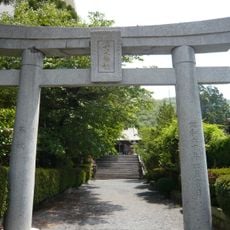
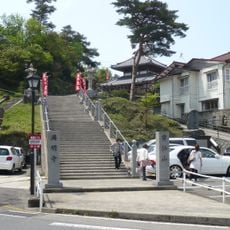
The bridge is named after the Gion shrine at its northern end, where the approach road meets the bridge. The stone masons of Shimoura, a noted group of stonemasons in Amakusa, built it under master mason Tatsuuemon; the Shimoura stone they quarried gives the bridge its material. The Gion shrine and bridge stand close together, and a Chinese nettle tree once grew between them until it was felled in 1997.
The bridge stands on the Machiyamaguchi River in Amakusa; take the Notte Myuuka bus and get off at the Chuo Shinmachi stop, right by the bridge. The 28.6 m span is viewed from the bank, and the 45 slanted piers of Shimoura stone are best seen from the waterside.
Gion Bridge is a stone beam bridge, not a stone arch bridge like most in Amakusa and Kumamoto Prefecture. Its 45 piers, made of Uraura stone from Uraura, are set at a slant to reduce water resistance.
The community of curious travelers
AroundUs brings together thousands of curated places, local tips, and hidden gems, enriched daily by 94,629 contributors worldwide.