諫早神社, Shinto shrine in Japan
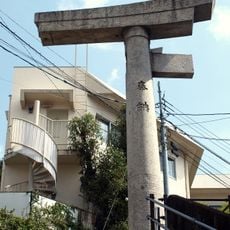
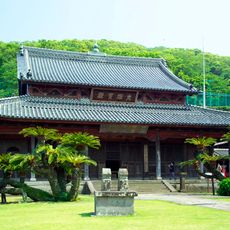
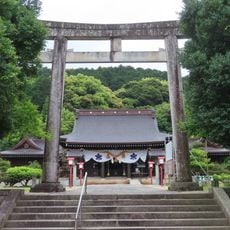
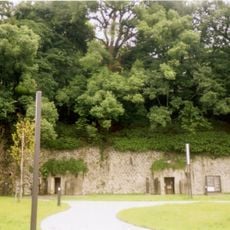
Isahaya Shrine is a Shinto shrine built in the Shinmei-zukuri style, featuring simple wooden structures with clean rooflines and unadorned design. The grounds contain a main prayer hall, auxiliary shrines, stone pathways, and mature trees arranged to create a tranquil setting for worship.
The shrine was founded in 728 and has served the region for over 1400 years as a place of worship and spiritual protection. It has maintained its role as a local guardian deity throughout various historical periods and remains cared for today.
The shrine's name changed from Shimensha to Isahaya Shrine in 1868, when the Meiji separation of Shinto and Buddhism split off the temple Shōgon-ji and its main image was moved to a nearby temple. The grounds still hold subsidiary shrines to Sarutahiko, Hachiman, Inari and Tenman, plus a Goreibyō and a Taishidō.
The shrine is a short walk from the train station and offers parking for visitors arriving by car or bus. The grounds are well-maintained with clear pathways, and basic facilities like ablution areas are clearly marked for visitors.
The shrine's sacred camphor trees are said to have been planted by the monk Gyōki, who founded the site in 728. In 1966 the grove was designated a Nagasaki Prefecture Natural Monument as the "Isahaya Shrine Camphor Grove."
The community of curious travelers
AroundUs brings together thousands of curated places, local tips, and hidden gems, enriched daily by 93,661 contributors worldwide.