Siebold Memorial Museum, Biographical museum in Nagasaki, Japan.
The Siebold Memorial Museum displays more than 200 objects organized in six categories that document the life and scientific work of German physician Philipp Franz von Siebold. The collection includes his field notes, natural history drawings, and personal belongings that illustrate his research activities during his time in Japan.
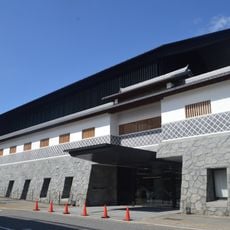
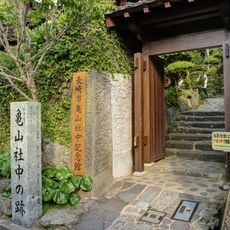
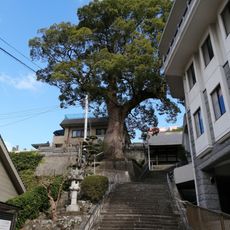
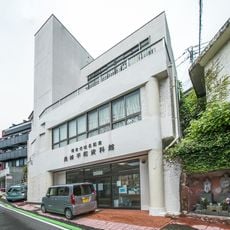
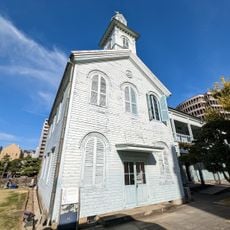
Philipp Franz von Siebold taught Western medicine and natural science at Narutaki-juku, a private school and clinic he founded in the Nagasaki suburbs in 1824; over 50 pupils studied there, among them Takano Choei and Ito Genboku. The wooden building was demolished in 1894, leaving two wells and a tree he planted, and the site was designated a National Historic Site in 1922. The museum opened beside it on 1 October 1989, its building modelled on Siebold's Leiden house and its entrance on his grandfather Karl Caspar's home.
The museum presents Siebold's research on Japanese plants and animals alongside his family history through his Japanese wife Kusumoto Taki and their daughter Ine. His scientific work shows how western and Japanese knowledge systems met during this period.
The museum is a 7-minute walk from Shin-Nakagawamachi tram stop on the Hotaruchaya branch line, or about 15 minutes by car from Nagasaki Station. It opens 9:00–17:00, with last entry at 16:30, and closes from 29 December to 3 January. The adjacent Siebold Residence Site can be seen from outside at any time.
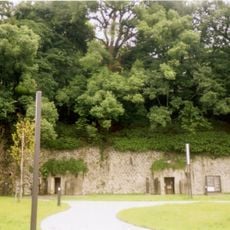
The museum stands next to the site of Narutaki-juku, the school and clinic Siebold opened in 1824; the two-story wooden building was demolished in 1894, leaving only two wells and a tree he planted. The plot was designated a National Historic Site in 1922 as the "former Siebold residence", although Siebold never lived there, commuting instead from Dejima.
The community of curious travelers
AroundUs brings together thousands of curated places, local tips, and hidden gems, enriched daily by 94,534 contributors worldwide.