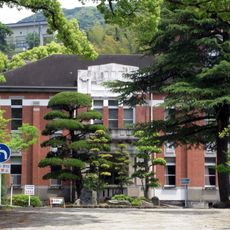
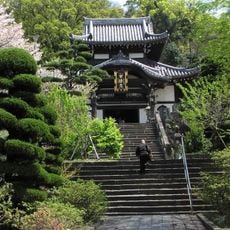
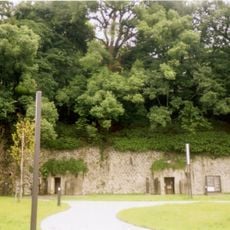
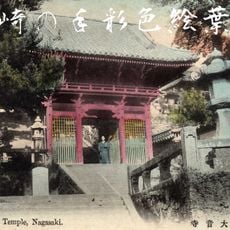
Shōfuku-ji, Buddhist temple in Nagasaki, Japan.
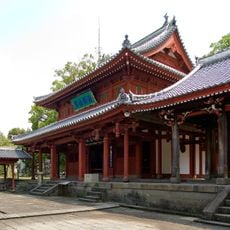
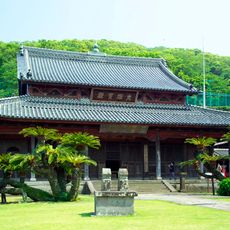
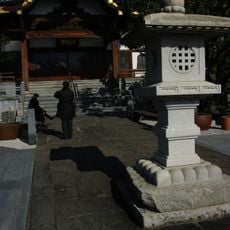
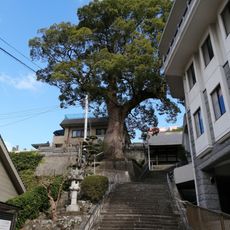
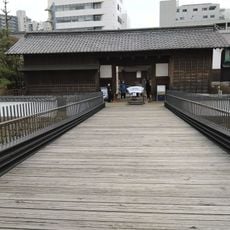
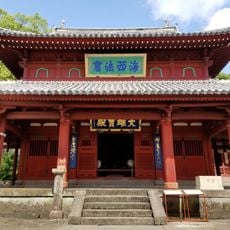
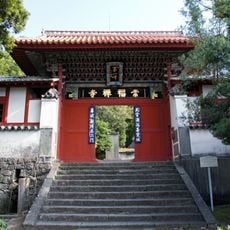
Shōfuku-ji is an Ōbaku Zen temple in Nagasaki, founded in 1677 by Tetsushin Dōhan, a grandson-disciple of Ingen. Its halls, including the 1697 Daiyū Hōden and 1705 Tenōden, show red-painted Ōbaku-style details closer to Japanese architecture than other Ōbaku temples. The precinct also holds a bell tower (1716), a mountain gate (1703), and a stone gate.
Shōfuku-ji was completed in 1677, the fourth temple built by Nagasaki's Chinese community, by merchants from the Canton region. It was founded by Tetsushin Dōhan, a grandson-disciple of Ingen, with backing from the Nagasaki bugyō, resident Chinese and the Nishimura merchant family. In 1867 it hosted negotiations between the Kishū and Tosa domains over the Iroha-maru incident.
The temple serves as an active place where practitioners engage in meditation and ritual observances throughout the year. The layout and ornamentation reflect Zen principles that shape how visitors move through and experience each space.
The grounds are fairly easy to walk through, with clear pathways leading from the entrance through all areas and accessible to visitors with varying mobility levels. It is advisable to wear comfortable shoes, as you will need to remove them to enter certain interior spaces.
The temple holds Nagasaki's largest temple bell, now rung only on New Year's Eve. In the grounds stands a stone stele to Jagatara Oharu, carved with a tanka by the poet Yūji Yoshii. A shōji亭 kiln-like stone structure was once used to burn unwanted documents.
The community of curious travelers
AroundUs brings together thousands of curated places, local tips, and hidden gems, enriched daily by 94,986 contributors worldwide.