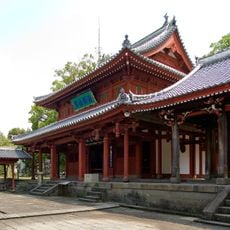
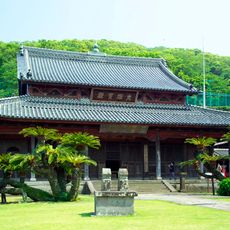
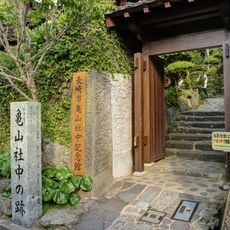
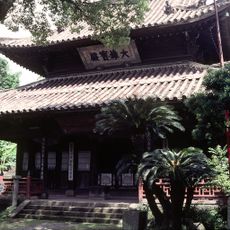
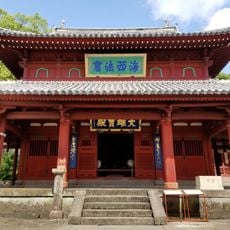
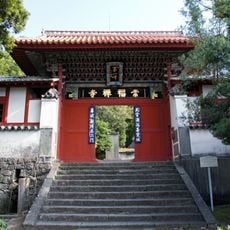
Kōtai-ji, Buddhist temple in Teramachi district, Nagasaki, Japan
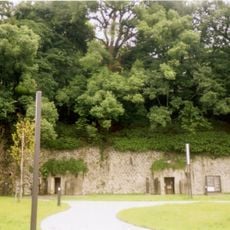
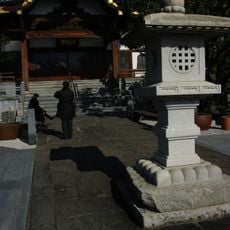
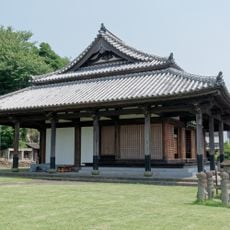
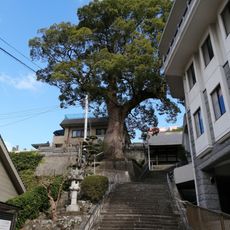
Kōtai-ji is a Sōtō Zen temple in Nagasaki, formally named Kaiunzan Fushō Kōtai Zenji. Its grounds on the slope of Mount Kazagashira hold a main hall, a monks' training hall (sōdō), and a hall for the temple's kindergarten, rebuilt by 2023. The temple is one of Nagasaki's three great temples, alongside Honren-ji and Dainen-ji.
Kōtai-ji was founded in 1608 at the foot of Mount Kazagashira as Kōtai-ji of the Sōtō Zen school, by Kamei Ryōkaku of Kōtoku-ji in the Matsuura district of Hizen. In 1619 it became a branch temple of Gyokurin-ji in Saga, and in 1626 it moved to its present site. In 1642 the abbot Ittei was granted an audience with shogun Tokugawa Iemitsu and with Empress Meishō, who bestowed the temple's current mountain and temple names.
The temple's name was granted by Empress Meishō in 1642, when its abbot Ichitei was received by the court. In the grounds lie the graves of four Nagasaki bugyō who died in office, of the Chinese-interpreter Hayashi and Miyauke families, of the town elders Takagi and Yakushiji, and of Kusumoto Ine, daughter of Philipp Franz von Siebold.
The temple is located near streetcar stops and easily accessible on foot, with paths clearly marked throughout the grounds. Visitors should wear comfortable shoes and loose clothing, as exploring the site involves walking around the various buildings and courtyards.
The temple bell was recast in 1702 by Taniguchi Yasazaemon and is a Nagasaki City designated tangible cultural property. The temple also holds the grave of Kusumoto Ine, daughter of Philipp Franz von Siebold, along with graves of four Nagasaki bugyō who died in office.
The community of curious travelers
AroundUs brings together thousands of curated places, local tips, and hidden gems, enriched daily by 93,361 contributors worldwide.