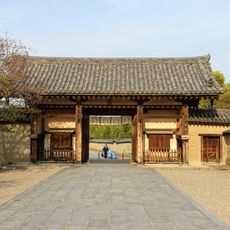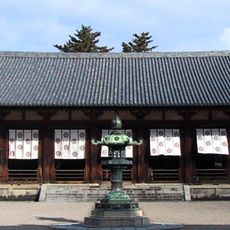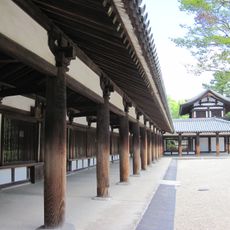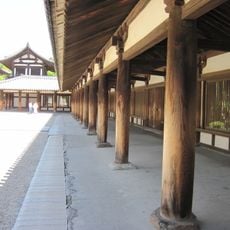
Buddhist Monuments in the Hōryū-ji Area, Buddhist temple complex in Ikaruga, Japan.
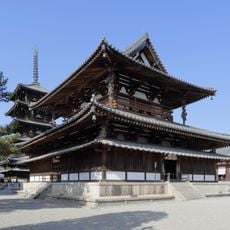
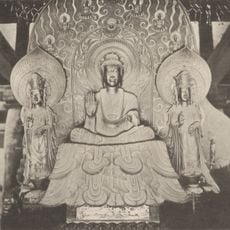
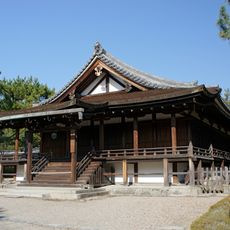
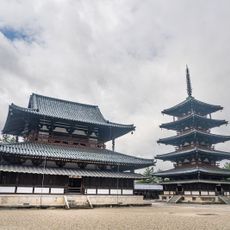
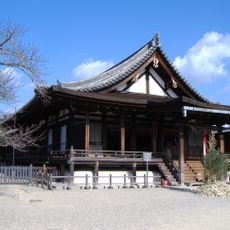
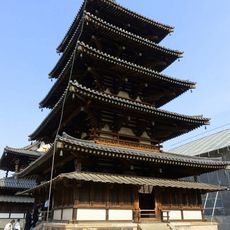
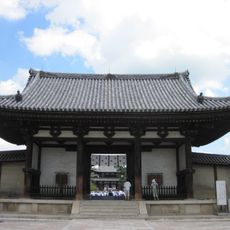
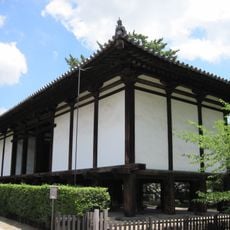
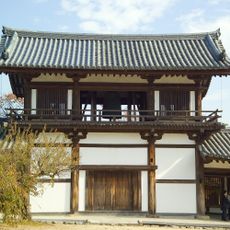
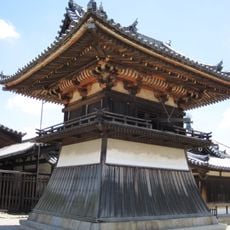
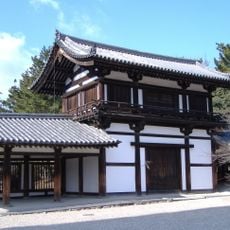
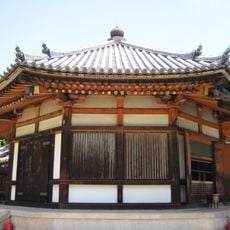
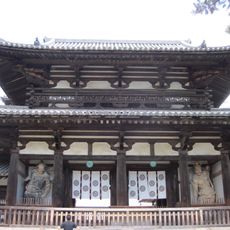
The Buddhist Monuments in the Hōryū-ji Area comprise 48 structures: 47 buildings at Hōryū-ji and the three-story pagoda at Hokki-ji. Hōryū-ji's West Temple includes the Golden Hall, a two-story wooden hall with a hip-and-gable roof, and the five-story pagoda, whose central post rests on a stone foundation holding relics in glass, gold, and silver vessels.
The Hōryū-ji complex was founded in the early seventh century by Prince Shōtoku, and its Sai-in Garan is considered the world's oldest surviving wooden structure, though its exact construction date is debated. The site was damaged during the early Meiji era's haibutsu kishaku, but the policy was reversed and the Golden Hall and Five-Storied Pagoda were protected under the 1897 Ancient Shrines and Temples Preservation Law. In 1950 the Cultural Properties Protection Law designated many buildings as National Treasures or Important Cultural Properties, and in 1993 the area was inscribed as a UNESCO World Heritage Site, together with Himeji Castle as Japan's first.
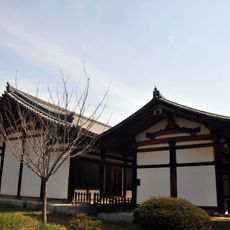
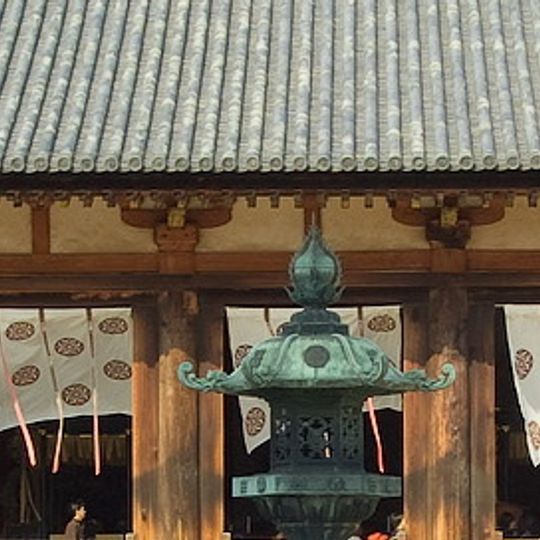
The structures reveal different phases of Japanese temple architecture through their forms and spatial layouts. Visitors can observe how building methods and design principles shifted across centuries.
The sites are accessible by train to Hōryū-ji Station, from which a walk or short bus ride reaches the various locations. Arriving early in the day helps you experience the monuments with fewer crowds and see the buildings in better light.
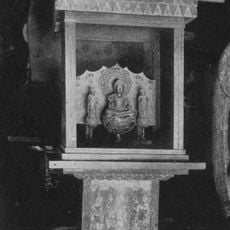
The Tamamushi Shrine in Hōryū-ji's Treasure House is a miniature kondo on a rectangular base, its panels painted with the Hungry Tigress Jataka, in which the Bodhisattva leaps from a mountain to feed a starving tigress and her cubs. The base also shows the Four Guardian Kings and bodhisattvas on lotus flowers.
The community of curious travelers
AroundUs brings together thousands of curated places, local tips, and hidden gems, enriched daily by 93,235 contributors worldwide.