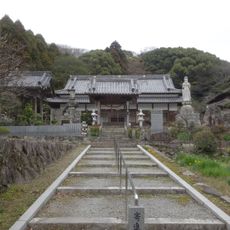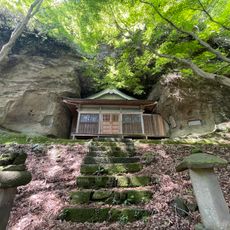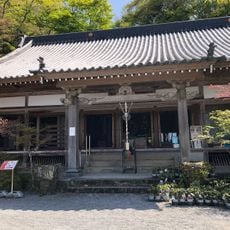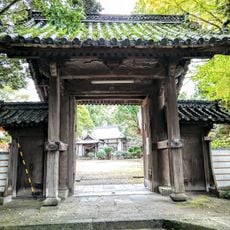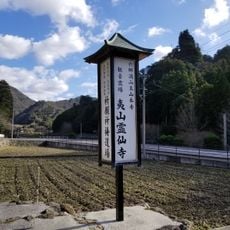
Fuki-ji Temple, Buddhist temple and National Treasure in Bungotakada, Japan
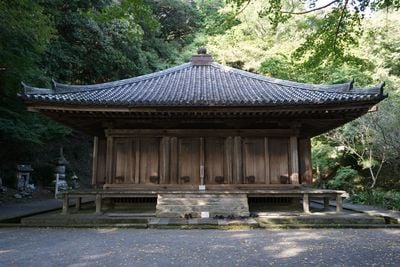
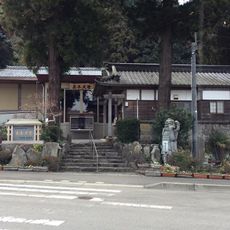
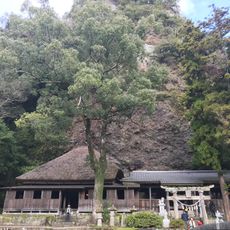
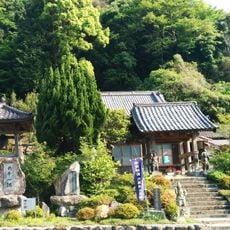
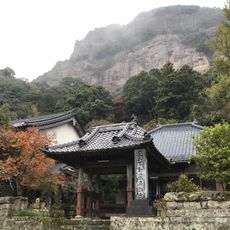
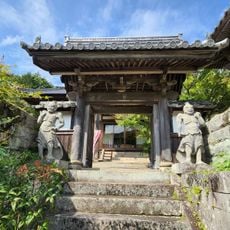
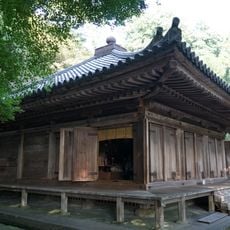
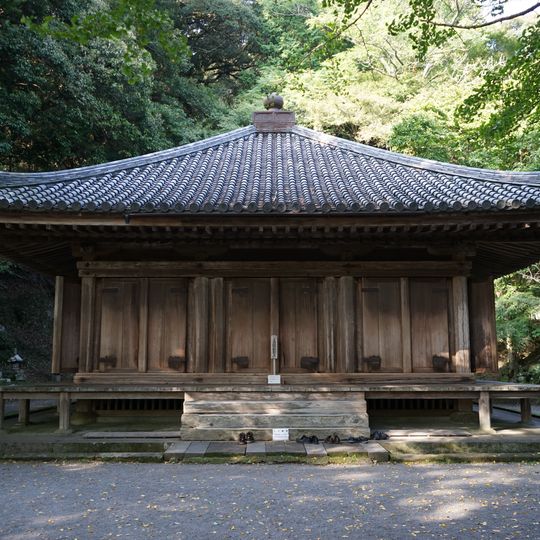
Fuki-ji is a Buddhist temple and national heritage site in Bungotakada, a city in Oita Prefecture. The main hall displays chamfered wooden columns, crossbeams, and a treasure-chest-style roof covered with traditional ceramic tiles.
The temple's founding is traditionally attributed to the monk Ninmon in 718, but records only confirm its existence by 1147, when a demon mask was inscribed. A 1223 document names Fuki-ji as the prayer temple of the Usa Shrine's chief priests, who likely built the main hall in the 12th century. It survived the destruction of Buddhist temples under Ōtomo Sōrin in the 1570s–1590s.
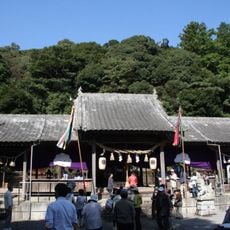
The temple's name, Fuki-ji, is written with characters meaning "wealth and honour", and the hall is also known as Amida-ji after its principal image. The hall functioned as a jōgyō-dō, a hall for the constant-walking samādhi practice, and its walls carry paintings of the four directions' pure lands with celestial beings playing music and dancing. In 2016 a bugaku jōgyō zanmai rite was revived there for the 1000th memorial of the monk Genshin.
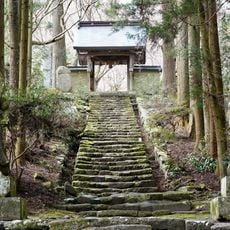
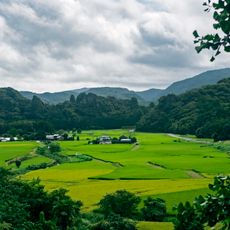
The temple sits in a rural area about 30 minutes by car from Usa Station on the JR Kyushu line or 40 minutes from Oita Airport. A vehicle or organized tour is recommended since public transport connections are limited in this part of the countryside.
The hall's roof uses Gyōki-buki: tiles that narrow at the top and widen at the bottom, slotted one into the next. A ridge beam removed during the 1353 repair carries an ink inscription naming the scholar-monk Yūzen, who took part in the work.
The community of curious travelers
AroundUs brings together thousands of curated places, local tips, and hidden gems, enriched daily by 93,172 contributors worldwide.