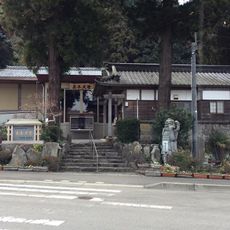
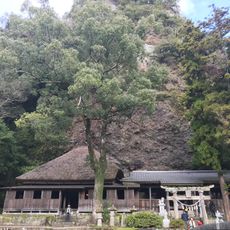
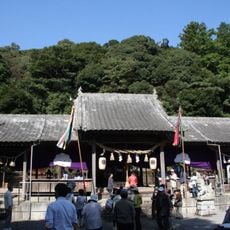
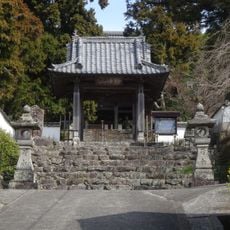
Kumano magaibutsu, Buddhist rock carvings at Mount Tawara, Japan.
Kumano Magaibutsu consists of four Buddhist figures carved directly into a natural rock face on Mount Tawara, including an 8-meter tall Fudo Myoo statue. The stone surface displays carved details and forms that were worked into the cliff using hand tools centuries ago.
The stone sculptures were created during the early Kamakura period and received designation as a National Historic Site of Japan in 1955. This official recognition acknowledged their artistic and historical importance as early Buddhist creations.
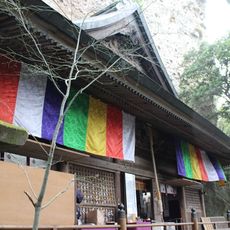
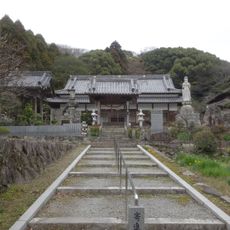
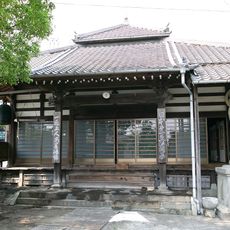
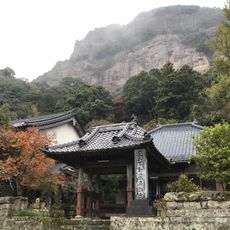
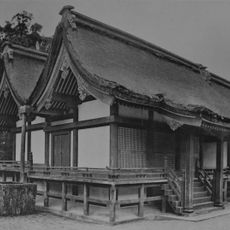
The name Kumano comes from Kumano Shrine, which stands at the top of the stone steps and was once joined to Taizo-ji as a jingu-ji, a combined shrine and temple. The Meiji-era shinbutsu-bunri policy separated the two. Taizo-ji belongs to the Rokugo Manzan Tendai temples, linked to Shugendo practice and to the syncretism of Shinto and Buddhism.
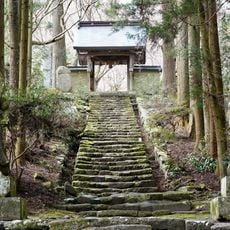
Access requires climbing about 99 natural stone steps from a nearby temple, a walk that takes roughly 20 to 30 minutes. The journey is best done on foot, as parking space at the top is limited and vehicles cannot reach the sculptures directly.
The cave behind the carvings is called the Gosho-taiba, where the sculptor is said to have stayed during the work. The carver's name is unknown; an Angen-era inventory of Rokugō-san temple treasures attributes the images to the monk Shinmyō.
The community of curious travelers
AroundUs brings together thousands of curated places, local tips, and hidden gems, enriched daily by 93,254 contributors worldwide.