泉福寺, Buddhist temple in Kunisaki, Japan
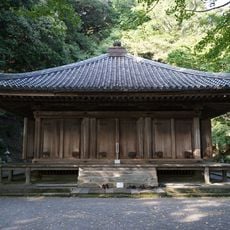
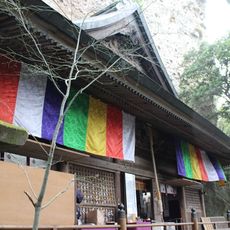
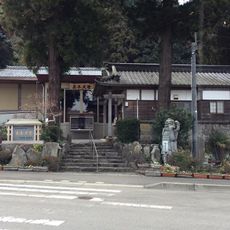
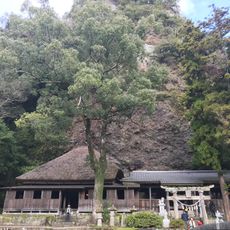
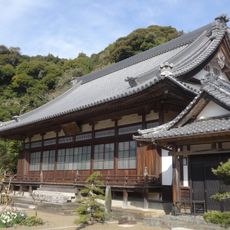
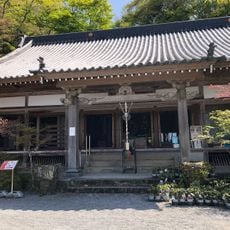
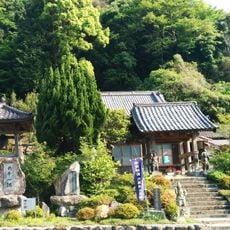
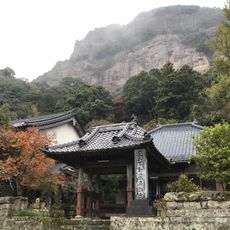
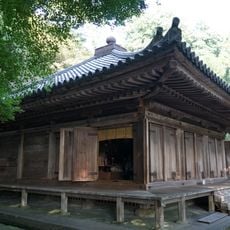
Senpuku-ji is a Sōtō Zen temple at Yokote in the Kunisaki-chō district of Kunisaki, Ōita Prefecture, with the mountain name Myōtoku-san. Its two nationally designated Important Cultural Properties are the kaisan-dō, rebuilt in 1636 with older timber, and the butsuden, built in 1524 and also called the Daiō-den. The temple grounds are a prefectural historic site.
Senpuku-ji was founded in 1375 by Tanohara Ujinori, a member of the Otomo clan, at his mother's wish, with the Zen master Muchaku Myoyu as founding abbot. In 1581 the Christian daimyo Otomo Sorin burned it, leaving only the kaisan-do and the Buddha hall standing. Hosokawa Tadaoki rebuilt it in 1605, and in the Edo period it served as head temple of Soto Zen in Kyushu.
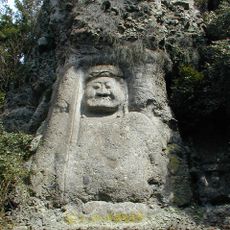
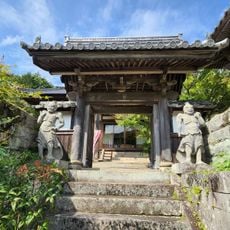
The temple keeps wooden statues and stone carvings that show how Buddhism, Shinto beliefs, and mountain worship come together in this place. You can see how local people merged different spiritual practices into one sacred space.
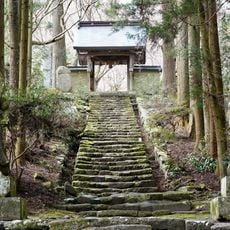
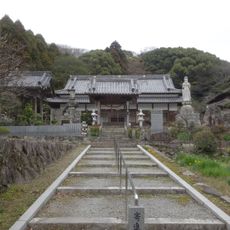
The site requires a steep climb up stone steps through wooded paths, so reasonable fitness helps for the visit. Renting a car is recommended since public transportation to the area is limited.
The temple keeps six volumes of the Song-dynasty printed Hongzhi lu, the recorded sayings of Chan master Hongzhi Zhengjue, said to have been brought back from China by Dogen. The books are a designated Important Cultural Property. The main hall, built in 1524, is a rare example of late Muromachi Zen-style architecture in Kyushu.
The community of curious travelers
AroundUs brings together thousands of curated places, local tips, and hidden gems, enriched daily by 93,605 contributors worldwide.