Ankokuji Village Ruins, Archaeological site in Kunisaki, Japan.
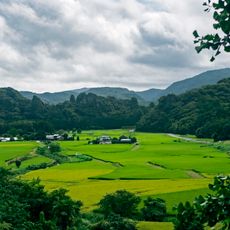
Ankokuji Village Ruins preserve remains of an ancient settlement with more than 300 post holes marking residential structures on terraced land shaped by the Tabuka River. The site reveals the complete layout of a prehistoric community with clearly visible building foundations and living spaces.
The settlement existed from the Yayoi period through the early Kofun period, discovered in 1920 during land reclamation efforts. This finding provided crucial insights into a pivotal time in prehistoric Japan when different cultural periods overlapped.
The village produced pottery with distinctive comb patterns on double-rimmed vessels that set the standard for similar finds throughout eastern Kyushu. This ceramic style became a defining feature of the region's material culture.
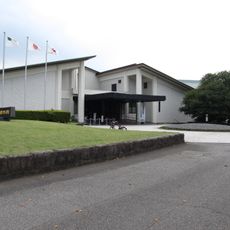
The site features reconstructed ancient buildings and an on-site museum located about 25 minutes by car from Oita Airport. The location is well-developed for visitors and works well as a day trip from regional cities.
The swampy soil preserved organic materials exceptionally well, including wooden tools, building components, plant seeds, and carbonized rice. This preservation offers rare glimpses into everyday practices and ancient agricultural methods.
The community of curious travelers
AroundUs brings together thousands of curated places, local tips, and hidden gems, enriched daily by 92,178 contributors worldwide.