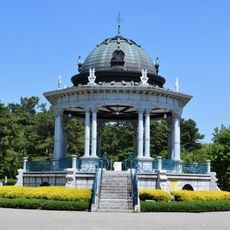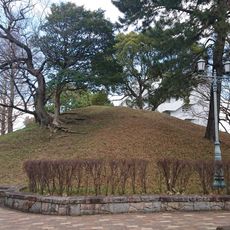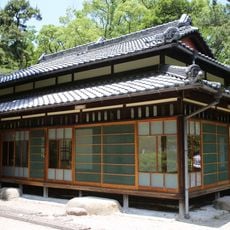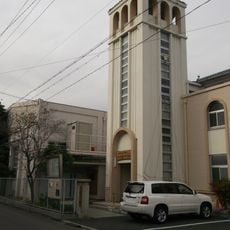
Gokiso Hachiman-gū, Shinto shrine in Shōwa-ku, Nagoya, Japan
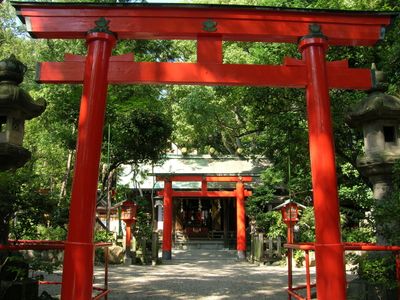
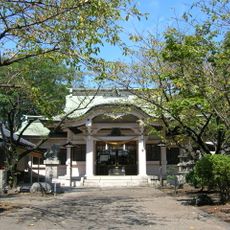
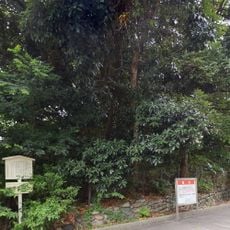
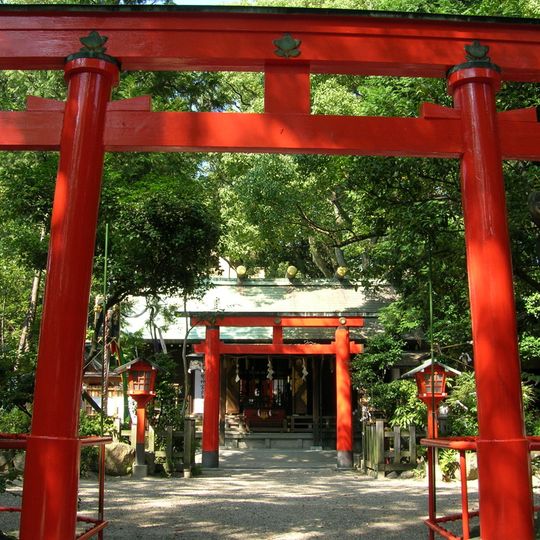
Gokiso Hachiman-gū is a Shinto shrine in Nagoya marked by a red torii gate and clean, well-kept grounds. The main hall features traditional Japanese architecture with curved roof lines, guardian statues stand at the entrance, and visitors can leave small wooden plaques with prayers.
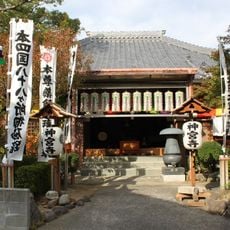
The shrine's oldest surviving ridge plaque dates from 1441, when Sakuma Mimasaka-no-kami Iekatsu repaired the Hachisho Daimyojin, as it was then called. The Sakuma clan, based at Gokiso Nishi Castle, governed the area and later records show their continued upkeep. In 1659 it was renamed Gokiso Hachimangu. Until the Meiji separation of Buddhism and Shinto, it was linked to the Iozan Jinguji temple, founded in 850, suggesting the shrine may predate the 9th century.
The shrine honors Hachiman, a deity linked to protection and warrior traditions in Japan. Visitors come to pray for health and success, and the site hosts seasonal festivals where the community gathers to maintain their customs.
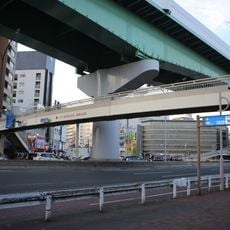
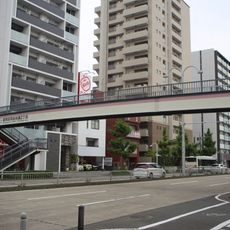
The shrine stands in Gokiso 4-chome, Showa Ward, Nagoya. From Arahata Station on the Tsurumai subway line, walk about 700 m southwest from Arahata intersection; from the Toko-dori 3-chome bus stop (Kanayama No. 26 and Showa loop routes) it is about 600 m east. By car, head about 600 m east from the Shirokane 1-chome intersection on the Hotta-Takadake line; parking holds four cars.
The shrine keeps a wooden ridge tag (munafuda) from 1441, the oldest surviving one, recording that Sakuma Mimasaka-no-kami Iekatsu repaired the Hachishō Daimyōjin. Other tags record later repairs by the Sakuma clan, who ruled the area from Gokiso Nishi Castle, and one records a donation promised by Tokugawa Ieyasu after the Battle of Sekigahara.
The community of curious travelers
AroundUs brings together thousands of curated places, local tips, and hidden gems, enriched daily by 94,552 contributors worldwide.