Seihaku-ji, National Treasure Buddhist temple in Yamanashi, Japan
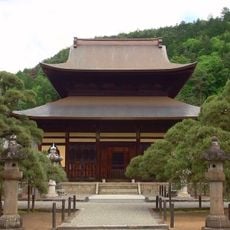
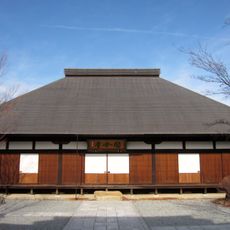
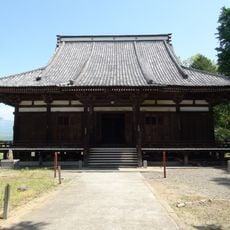
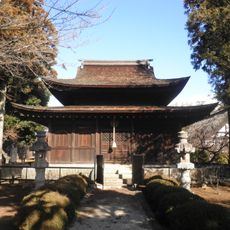
Seihaku-ji is a Buddhist temple in Yamanashi Prefecture with a main hall displaying classical architectural design from the early 15th century. The Butsuden hall features a three-by-three bay structure with subsidiary pavilions representing the religious architecture of that period.
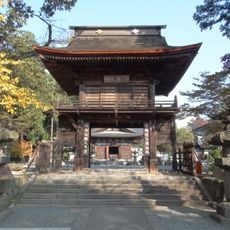
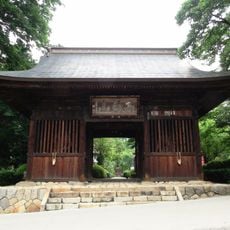
Seihaku-ji was founded in 1333 by Ashikaga Takauji as a prayer for national peace after the Battle of Kamakura, with construction supported by donations raised by Engaku-ji. Its founding priests were disciples of Musō Soseki, and the temple became the leading Musō school temple in Kai Province during the Muromachi period. It burned in 1682, leaving only the 1415 Butsuden, and was rebuilt from the Jōkyō era until the main gate was completed in 1731.
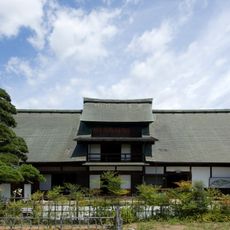
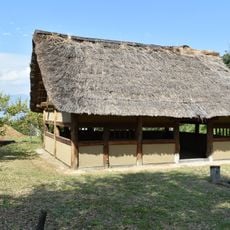
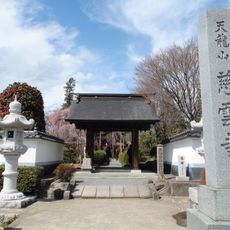
The temple is known as "Plum Seihaku-ji": Musō Soseki is said to have planted the Saiko plum here, and red and white plums line the approach. Its grounds also take in the Renpō-yashiki site, the traces of a medieval local lord's residence within the Sankasho ruins.
Seihaku-ji is about a 10-minute walk from Higashiyamanashi Station on the Chūō Main Line. The grounds follow a Zen layout: the sōmon gate, a pond, the bell tower gate, the Butsuden and the main hall stand in a straight line, so visitors can follow this axis to see the main buildings in order.
The Butsuden's exact construction date of 1415 was only established from ink inscriptions on the bracket sets, read when the hall was dismantled for repairs in 1917. The building was designated a National Treasure in 1955, and its ranma transom was damaged in the 2011 Tōhoku earthquake.
The community of curious travelers
AroundUs brings together thousands of curated places, local tips, and hidden gems, enriched daily by 93,570 contributors worldwide.