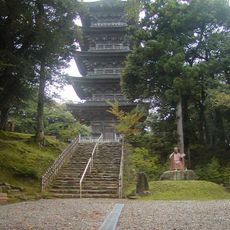
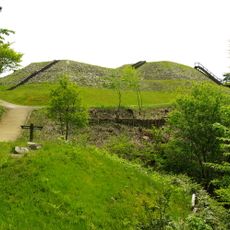
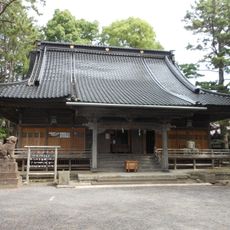
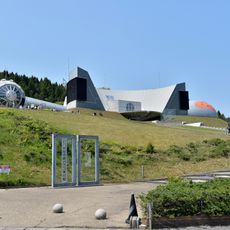
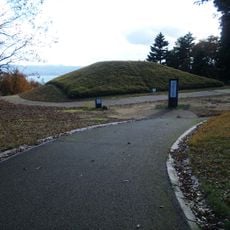
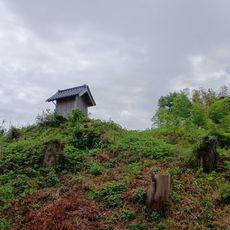
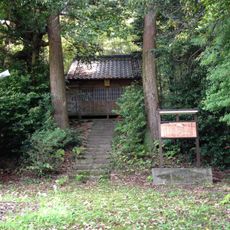
Sōji-ji Soin, Buddhist temple in Wajima, Japan
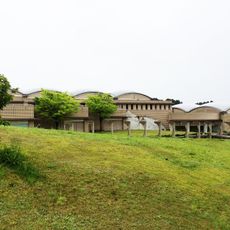
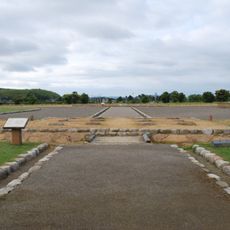
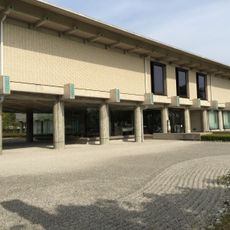
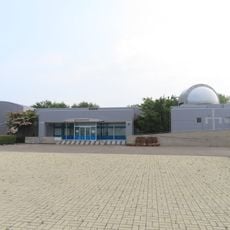
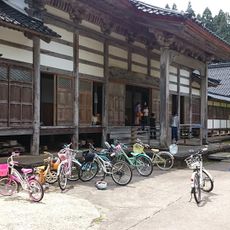
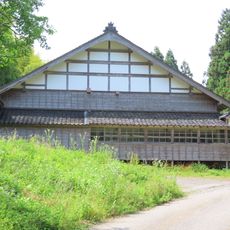
Sōji-ji Soin is a Buddhist temple located at the northern edge of the Noto Peninsula, designed with traditional architecture and seven main halls. The complex includes meditation spaces, administrative buildings, and landscaped grounds that connect the different areas together.
The temple was founded in 1321 by Zen master Keizan Jokin and became an important religious center in the region. In 1911, the order moved its main operations to Yokohama, while preserving the original site as a spiritual heritage location.
The name Sōji-ji was given by Keizan Jokin when he turned the former Morooka-ji into a Zen monastery in 1321; after the 1911 move to Yokohama the Noto site became Sōji-ji Soin, the "ancestral hall". The temple is also called Nōzan or Gakuzan. On 17 July each year the Kannon hall, Jiuunge Kannon-dō, opens for the Kannon festival.
The temple is open daily to visitors, with guided tours available through the various halls and spaces. It is helpful to wear comfortable shoes and be prepared for uneven paths, as some areas are reached by steps and natural walkways.
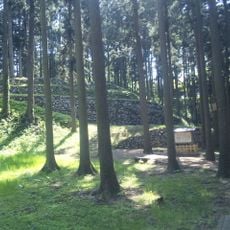
The sacred water linked to Sōji-ji Soin is not inside the temple grounds: Kowashūsui springs about 5 km upstream of the temple's Monzen town, in forested hills along the Kiya River, yielding roughly 90 tons a day. Legend says Keizan Jokin learned of it from a dragon god's oracle; it was chosen among Japan's 100 famous waters in 1985.
The community of curious travelers
AroundUs brings together thousands of curated places, local tips, and hidden gems, enriched daily by 93,977 contributors worldwide.