Myōhōshō-ji, Buddhist temple in Otaki, Japan
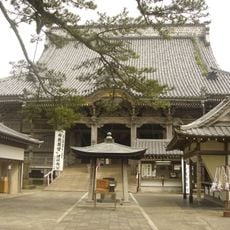
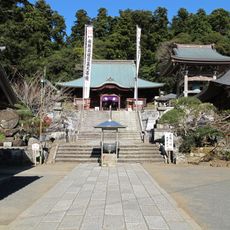
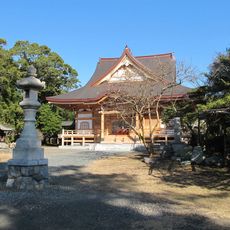
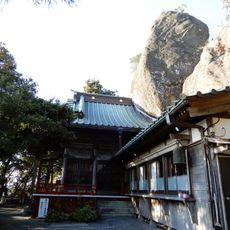
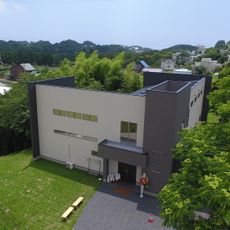
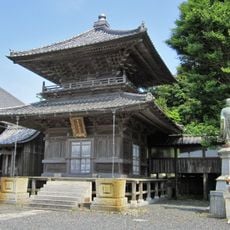
Myōhōshō-ji is a Nichiren-sect Buddhist temple at 1749 Tsutsumori in the town of Ōtaki, Chiba Prefecture, set on the Manmanbara plateau deep in the Bōsō Hill Range. Its halls include a Dainichi-dō and a Jibutsu-dō, which houses a seated image of Nichiren, while a standing statue of the bodhisattva is kept in the Dainichi-dō. The precinct centres on the Tenpai-en garden, where the hydrangeas are planted.
The temple was named in 1253, when Nichiren chanted "Namu Myōhō Renge Kyō" facing the rising sun; the name refers to the opening line of the Lotus Sutra. By 1904 it lay in near-complete ruin. Nichiren Buddhists began rebuilding it in 1931.
The temple maintains active connections to Nichiren Buddhism, with its name rooted in the Lotus Sutra, a central Buddhist scripture. This spiritual orientation shapes how the space is used and respected by those who visit and practice here.
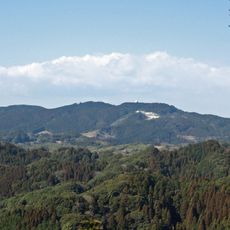
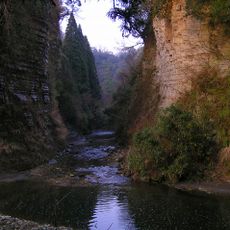
Myōhōshō-ji cannot be reached by public transportation. The temple lies about an hour's drive from Japan National Route 297, on the road between Tateyama and Ichihara, deep in the Bōsō Hill Range. Visitors need their own vehicle for the final approach.
The hydrangeas were first planted in 1951, with a target of 70,000 stems to match the number of characters in the Lotus Sutra; the garden now holds about 20,000 bushes and 200,000 stems. The grounds are also known for their himeharu cicadas.
The community of curious travelers
AroundUs brings together thousands of curated places, local tips, and hidden gems, enriched daily by 94,591 contributors worldwide.