Seichō-ji, Buddhist temple in Kamogawa, Japan
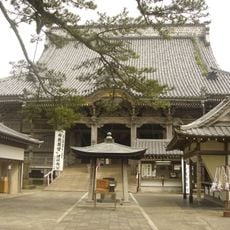
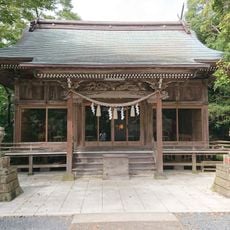
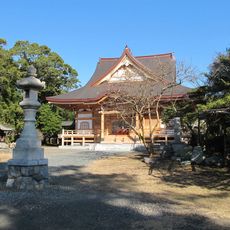
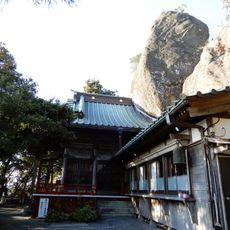
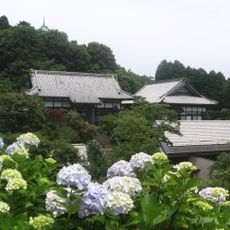
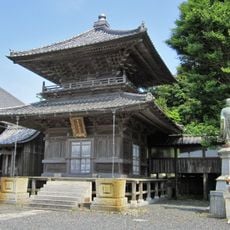
Seichō-ji is a Buddhist temple on Myōken Mountain in Kamogawa, Chiba Prefecture, surrounded by Asahigamori Forest. The central gate from the 17th century leads into a compound with prayer halls, pagodas and winding paths among tall trees.
The monk Fushigi enshrined Kokūzō Bosatsu here in 771, making the mountain a site of ancient mountain worship. Ennin revived it as a Tendai temple in 836; lightning burned the halls in 1096 and Governor Minamoto Chikamoto rebuilt them. Nichiren entered as a boy in 1233, was ordained at 16, and in 1253 first chanted the daimoku at Asahigamori. Tokugawa Hidetada ordered conversion to Shingon in 1618; the temple became Nichiren-shū in 1949.
The temple is managed by the Nichiren community and draws pilgrims who follow the origins of this Buddhist school. Visitors observe traditional rituals beneath ancient cedars, where monks conduct prayer ceremonies.
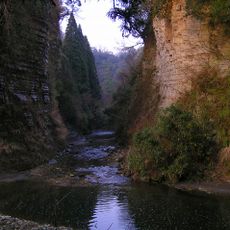
A community bus runs from Awa-Amatsu Station on the JR Sotobo Line toward the temple, followed by a short uphill walk. The path can be damp in summer and challenging in winter due to slippery stones.
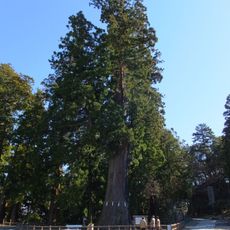
The Great Cedar of Kiyosumi, a sugi (Japanese cedar) about 47 meters tall with a trunk circumference of roughly 15 meters, is estimated to be 800 years old and was designated a national natural monument in 1924. A 1954 typhoon felled a second large cedar that stood beside it and tore away the surviving tree's southern branches.
The community of curious travelers
AroundUs brings together thousands of curated places, local tips, and hidden gems, enriched daily by 93,403 contributors worldwide.