Tomisaki Shrine, Shinto shrine in Japan
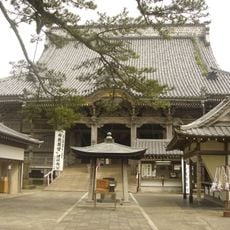
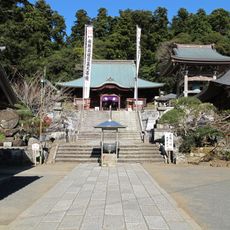
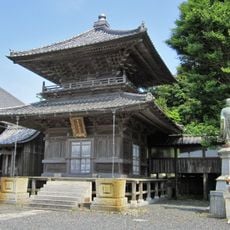
Tomisaki Shrine is a Shinto shrine in Katsuura, Chiba Prefecture, dedicated to Amenotomi no Mikoto, who is credited with opening the Bōsō Peninsula. The shrine stands on a hill called Miyayama, and its current wooden main hall was rebuilt in 1849. It was originally founded on the nearby cape at a site later submerged by the 1703 earthquake.
The shrine traces its origin to Susudate-no-mikoto of the Katsuura Inbe, who built a hall on the site of Amatomi-no-mikoto's residence on Fugishima at the tip of Yawata Cape, enshrining the ancestor deity of land development. A tsunami in 1601 destroyed that hall and washed its sacred objects to Miyanotani, where it was rebuilt. In 1659 the lord Uemura Tosa-no-kami moved it by divination to its present site on Miyayama; the current hall dates from 1849, and it was renamed Tomisaki Shrine in 1873.
The shrine's name derives from Katsuura, the place name said to come from the katsuura Inbe clan who settled here. Until the Meiji era it was called Tomi Daimyojin, and in 1873 it was renamed Tomisaki Shrine and ranked as a gosha, a district shrine. The deity enshrined is Ame no Tomi no Mikoto, credited with opening the Boso Peninsula.
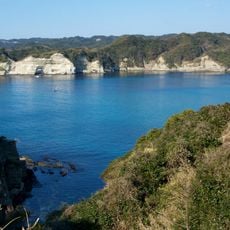
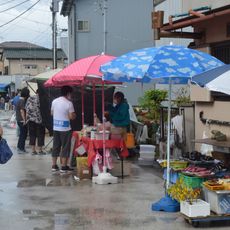
The climb is done on a long stone staircase from the harbor market, so sturdy footwear is a good idea. Going early in the morning gives the clearest views over the water and means fewer people on the stairs.
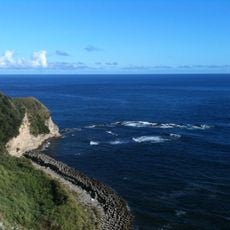
The shrine's name comes not from the cape but from the district: the Inbe clan of Katsura, who settled here, gave the area the name Katsura, which became Katsuura. The original shrine stood on Fugishima islet at the tip of Yawata Cape, submerged by the 1703 Genroku earthquake; only a remnant, Hirashima, survives.
The community of curious travelers
AroundUs brings together thousands of curated places, local tips, and hidden gems, enriched daily by 95,282 contributors worldwide.