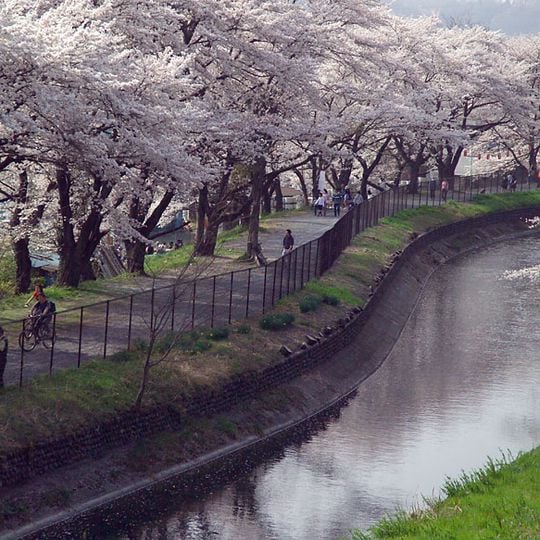
Tamagawa Aqueduct, Historic aqueduct in Tokyo, Japan
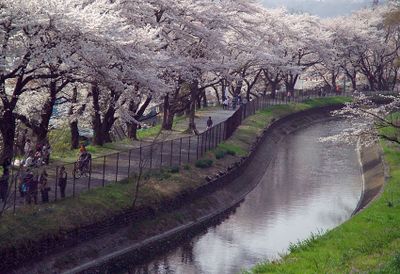
Tamagawa Aqueduct is a historic canal system from the 17th century that once carried water from the mountains into Tokyo, running through several neighborhoods. The route follows a gentle slope and connects different districts over a length of about 43 kilometers with a continuous waterway.
The canal system was built starting in April 1653 under the Tokugawa shogunate to supply the growing city with water. The work ended after eighteen months, and the Seiemon brothers received the surname Tamagawa as recognition for their technical skill.
The Seiemon brothers, originally peasants, received the surname Tamagawa as recognition for their engineering achievement in building this water infrastructure.
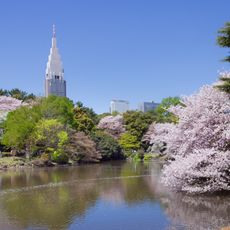
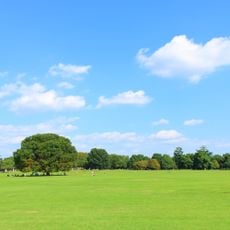
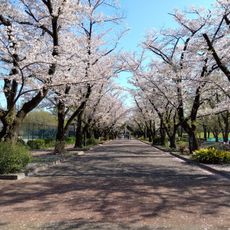
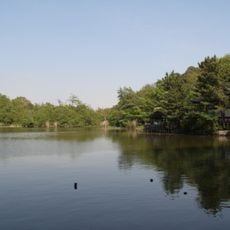
Parts of the old canal remain accessible today as green paths running through residential areas and parks. Many sections lie at ground level, making it easy to walk or cycle along the waterway.
The canal was completed in just eighteen months and demonstrates the precision of engineers who created a continuous gradient over the entire route using only a 92-meter elevation difference. The Seiemon brothers were originally peasants with no formal training in hydraulic engineering.
The community of curious travelers
AroundUs brings together thousands of curated places, local tips, and hidden gems, enriched daily by 90,871 contributors worldwide.