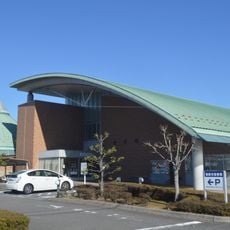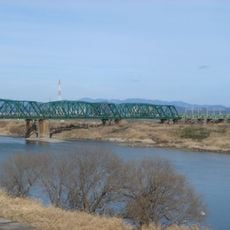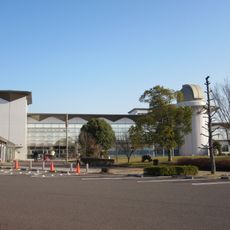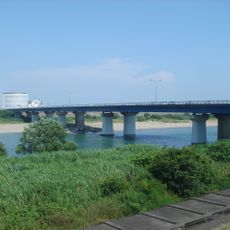
Sunomata Local History Museum, Japanese castle in Ogaki, Japan
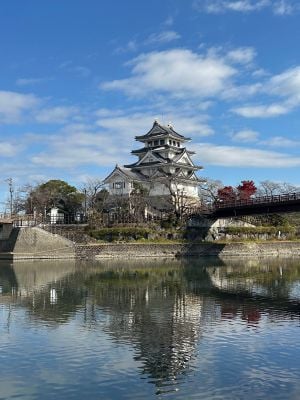
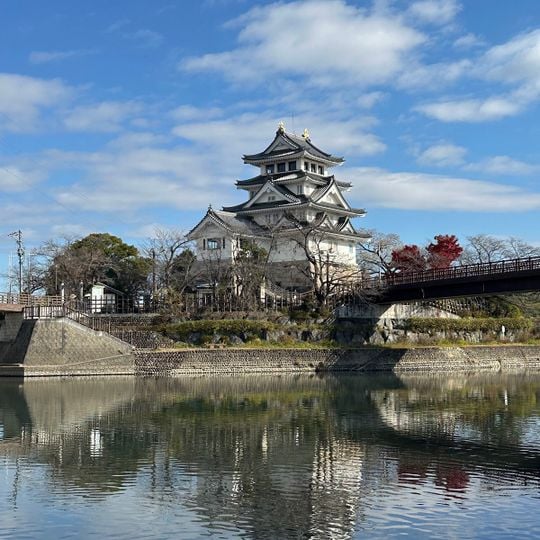
Sunomata Castle is a Japanese castle in Ogaki built on a small hill at the confluence of the Sai and Nagara rivers. The site consists of a three-story wooden structure with white walls, a dark roof, and a museum interior that houses models and exhibits.
The castle's construction date is unknown; Saito Toshiyasu was among its lords. Oda Nobunaga's Mino campaign of 1561 or 1566 is linked to the legend that Kinoshita Tokichiro (later Toyotomi Hideyoshi) built a fort here in days, though Nobunaga's reliable chronicles do not record it. Iki Tadatsugu repaired the castle in 1584; after the 1586 Kiso floods shifted the river, it lost its strategic role. The 1991 faux keep, modeled on Ogaki Castle, now houses a museum.
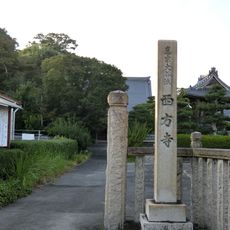
The nickname "Ichiya Castle" (one-night castle) comes from the legend that Hideyoshi raised the fort overnight, though sources say it took several days using pre-built sections. In the park, the Hakuhou Shrine precinct holds a Toyokuni Shrine moved there when the mock keep was built, where Toyotomi Hideyoshi is honoured.
The faux keep stands in a park on the northwest side of the castle ruins, at the confluence of the Sai and Nagara rivers. The museum inside the tower displays a model of the original fortress along with samurai armor and weapons. The grounds are also a noted spot for cherry blossoms in spring.
The 1991 mock keep imitates Ōgaki Castle's Edo-period tenshu, not the Sengoku fort. Inside, a model shows what the original stronghold looked like: wooden palisades, dry moats and simple watchtowers. The two gold ornaments on the ridge are shachihoko, mythical fish-tigers, not orcas.
The community of curious travelers
AroundUs brings together thousands of curated places, local tips, and hidden gems, enriched daily by 92,761 contributors worldwide.