Kirime-ōji, Shinto shrine in Inami, Wakayama Prefecture, Japan
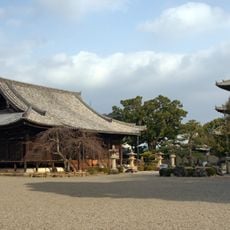
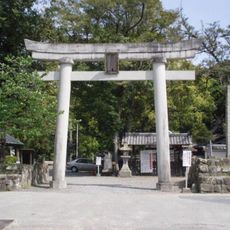
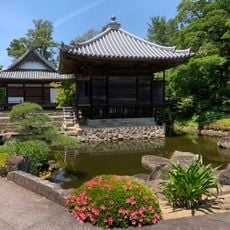
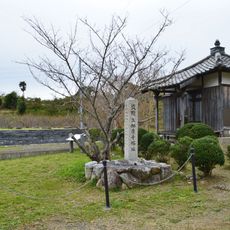
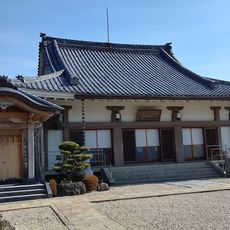
Kirime-ōji is a Shinto shrine in the town of Inami and belongs to the Gotai-ōji group as the 64th in the Kujūkuōji series. The sanctuary features simple wooden structures with rustic character, surrounded by centuries-old trees and accessed via a path lined with stone lanterns.
According to shrine tradition, Kirime-ōji was founded in the reign of Emperor Sujin, and the Kumano deity is said to have once resided here. The Chūyūki records a purification at 'Kirime no mizube' and offerings at the shrine in 1109. In 1180, Taira no Kiyomori turned back here on learning of Minamoto no Yoritomo's uprising. The shrine burned in 1585 and was rebuilt by a nun within seven months; the current hall dates from 1908.
The shrine's name comes from the locality of Kirime, and its sacred tree is a nagi (Podocarpus). According to the Kumano engi (1326, Ninna-ji), its honji-butsu is the Eleven-Faced Kannon. A legend recorded in the Hōzō ekotoba tells that pilgrims painted their faces with kinako (roasted soybean flour) to pass the shrine unharmed; the 1427 Kumano-mode nikki notes this practice at the shrine.
The shrine is easily reached on foot or by local bus from Inami and lies on the popular Kumano Kodo hiking trail. The area is well-maintained with clear signage for hikers, offering a quiet place to rest while enjoying views of the nearby ocean.
The shrine's sacred tree is a nagi (Podocarpus) with a trunk circumference of about 4 metres, a root spread of 6 metres and a height of about 16 metres, estimated to be over 300 years old. It was designated a prefectural natural monument on 8 January 1959 and is revered by local people.
The community of curious travelers
AroundUs brings together thousands of curated places, local tips, and hidden gems, enriched daily by 94,476 contributors worldwide.