Kume no Heinai-dō, Shinto shrine in Japan
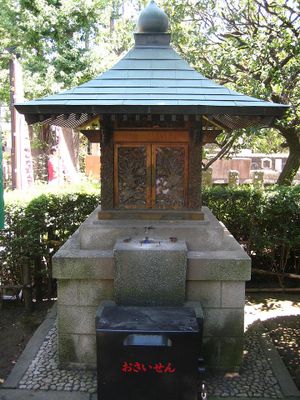
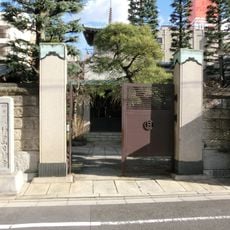
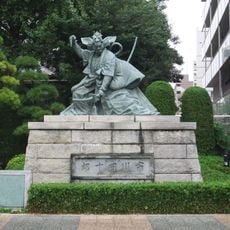
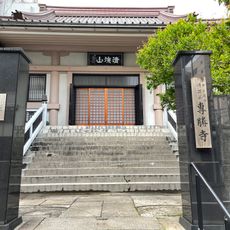
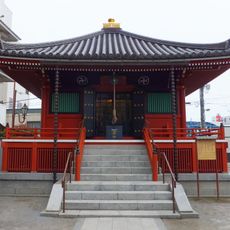
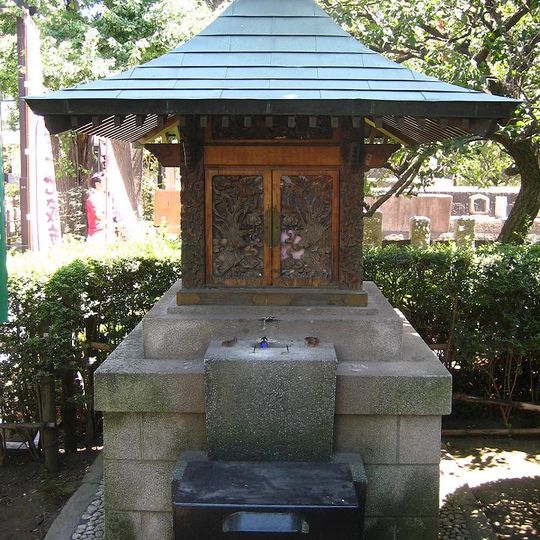
Kume no Heinai-dō is a small Shinto shrine located on the Senso-ji Temple grounds in Asakusa, housing a stone statue of the historical Kume Heinai. The modest shrine with traditional wooden elements offers visitors a quiet place to pray, where they can leave small wooden plaques or perform simple rituals like ringing a bell.
Kume Heinai was a 17th-century samurai and sword master who later in life felt remorse for his past actions and turned to Zen Buddhism. Before his death, he asked his followers to carve his face into a stone and bury it near the temple gate so that people could symbolically step on it to help him atone for his deeds.
The shrine connects to local traditions of love letters and romantic blessings, with visitors coming to pray for good relationships and marriage. The story of a former warrior seeking peace has transformed into a symbol for romantic ties, keeping the themes of hope and personal connection alive in the daily visits of those who come here.
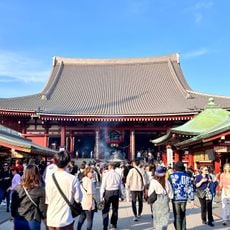
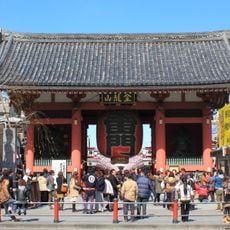
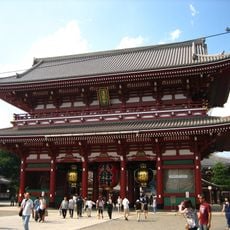
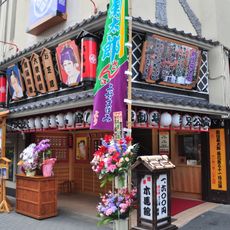
The shrine is located directly along Nakamise Street, a busy shopping arcade in the Asakusa district, and is easy to reach when coming from the Kaminarimon gate. The space is small and compact, so it is best to visit early in the morning or during quieter times of the day to avoid the crowds that flow through the area.
What makes this shrine special is that visitors symbolically step on the stone statue of Kume Heinai, a ritual rooted in an unusual 17th-century practice of atonement. This act of forgiveness has endured across centuries, connecting a warrior's legacy to the spiritual practices of visitors today in a memorable way.
The community of curious travelers
AroundUs brings together thousands of curated places, local tips, and hidden gems, enriched daily by 91,816 contributors worldwide.