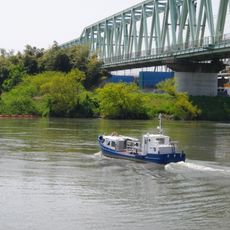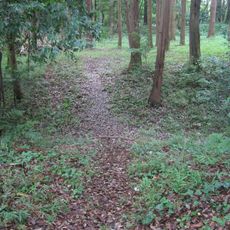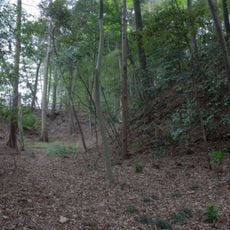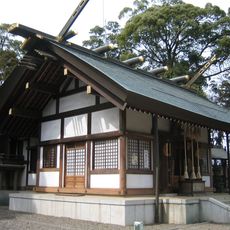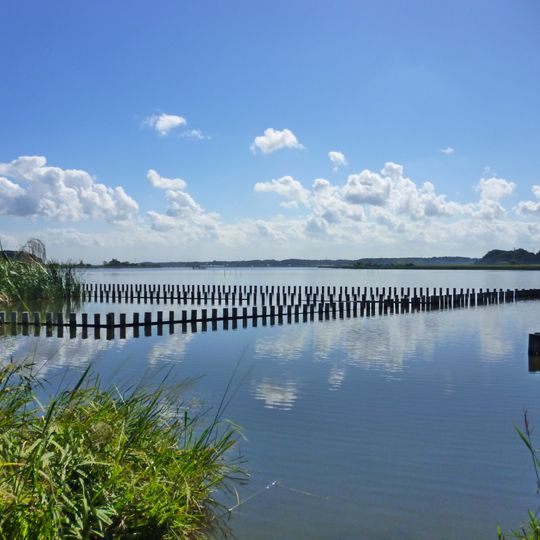
Lake Tega, Reservoir in Chiba Prefecture, Japan.
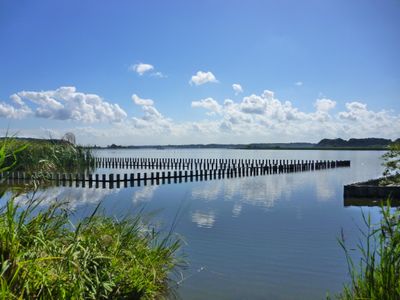
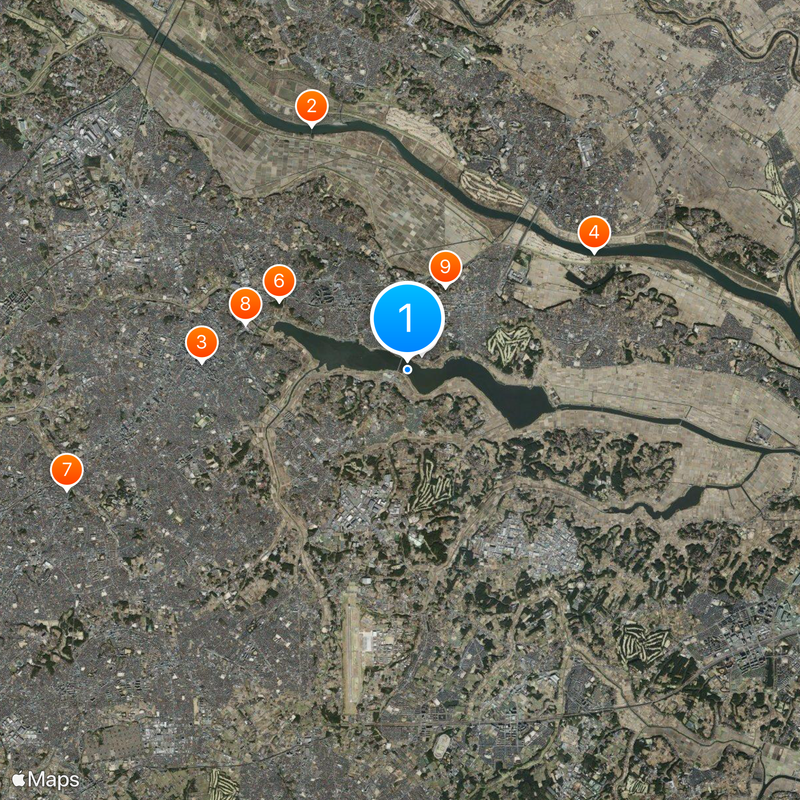
Lake Tega is a shallow body of water in the northwest of Chiba Prefecture, stretching across two connected basins. The shoreline runs for 38 kilometers and hosts broad reed beds along with patches of lotus plants that float in the water throughout the year.
This body of water formed around 20,000 years ago when erosion during the last ice age carved a valley into the plateau. That event isolated the basin and left behind a freshwater reservoir that remains in the region to this day.
This water body has kept its traditional name since the Edo period and now serves as a refuge for migrating birds. Every November, birdwatchers gather here during a festival to spot arriving flocks and learn about the local wildlife through hands-on programs.
The reservoir sits in open countryside and can be explored along waterfront paths. Trails around the water are also suitable for cyclists, and the shallow areas allow a direct view of the plants and birdlife.
The lake has an average depth of just 86 centimeters, which encourages a dense network of submerged and floating plants. This shallow profile allows sunlight to reach the bottom, supporting a rich underwater flora.
The community of curious travelers
AroundUs brings together thousands of curated places, local tips, and hidden gems, enriched daily by 91,636 contributors worldwide.