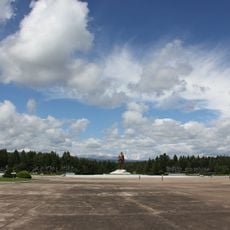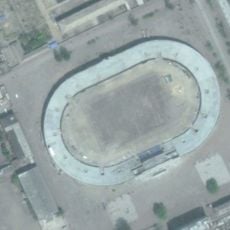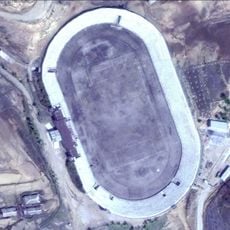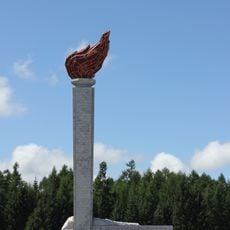
Pukkwan Victory Monument, Stone monument in Kimchaek, North Korea
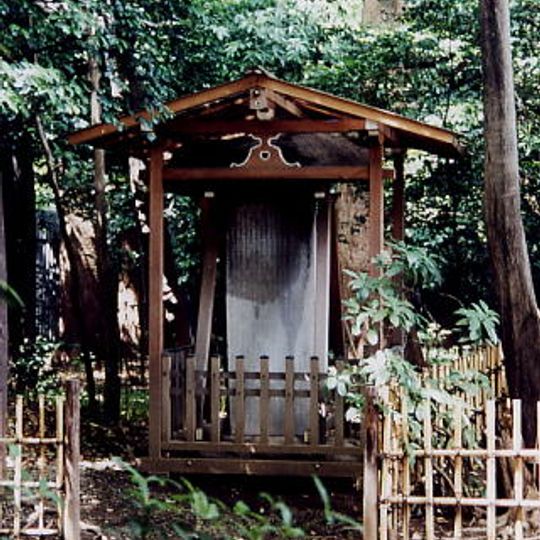
The Pukkwan Victory Monument is a granite stele 187 cm tall and 66 cm wide, erected in 1709 at Immyong in Kimchaek, North Korea. Its face carries about 1,500 classical Chinese characters under the formal title "Stele of the Great Victory of the Righteous Army of Hamgyong Province in the Imjin Year of the Great Ming Choson State," recounting the volunteer campaigns of 1592–1594.
King Sukjong ordered its creation in 1707 to honor victories against Japanese forces. The conflict it commemorates took place during an earlier invasion period that shaped the peninsula's history.
The stele's full name, "Stele of the Great Victory of the Righteous Army of Hamgyong Province in the Imjin Year of the Illustrious Joseon Dynasty," frames the volunteer fighters as loyal subjects. Its 1,500-character inscription was composed in classical Chinese, and local residents raised the monument in 1709. A wooden tag once beside it in Japan warned visitors not to trust the text.
The stele stands again at its original site in Immyong, Kimchaek, North Hamgyong Province, where it was re-erected on 23 March 2006 and designated National Treasure No. 193. Access is from Kimchaek city; the stone is 187 cm tall and 66 cm wide, so it can be read up close. A replica is displayed at Gyeongbokgung in Seoul.
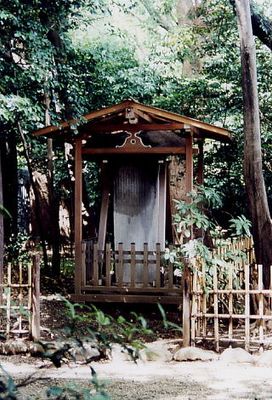
The stele spent roughly 100 years at Yasukuni Shrine in Tokyo before returning in 2005. Its repatriation marked an unusual moment when Buddhist monks from both Korean nations cooperated to bring it home.
The community of curious travelers
AroundUs brings together thousands of curated places, local tips, and hidden gems, enriched daily by 95,047 contributors worldwide.