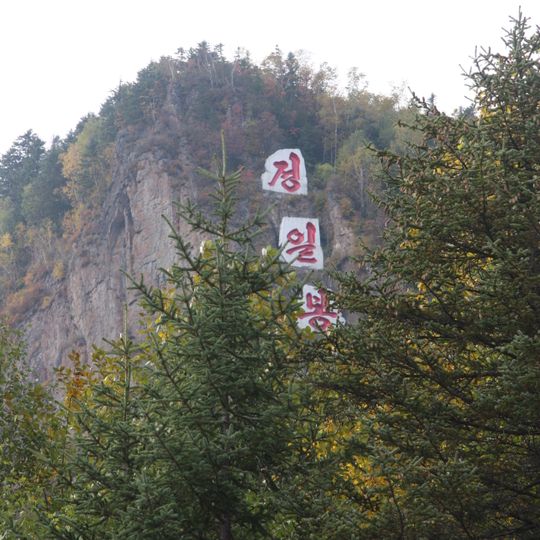
Jong-il Peak, Mountain summit in Samjiyon, North Korea
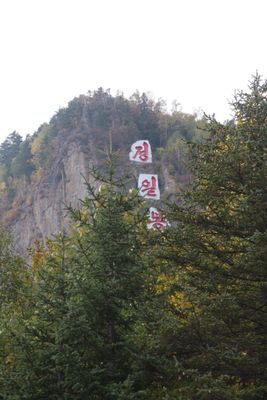
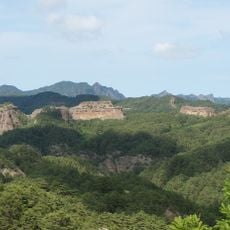
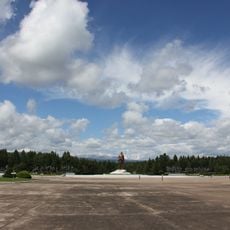
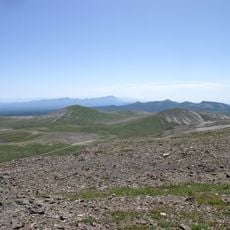
Jong-il Peak rises to 1,798 meters with steep southern cliffs dropping about 100 meters and gentler northern slopes connecting to the neighboring Saja Peak. The mountain is covered in dense forest and shaped by several distinctive rock formations that stand out from the surrounding terrain.
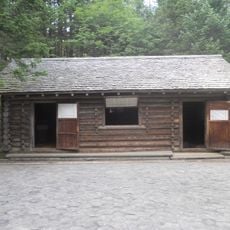
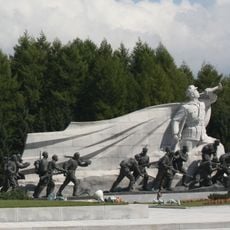
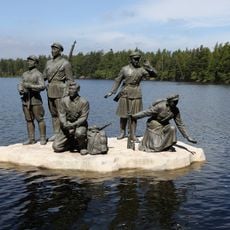
The peak was originally called Changsu and served as a hidden base for anti-Japanese resistance fighters between 1930 and 1940 during the occupation period. Its renaming in 1988 marked an important shift in how the location was recognized and remembered locally.
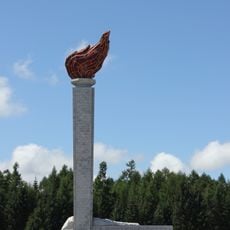
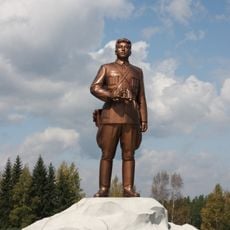
Three granite plates with the peak's name carved in red letters mark the southern rock face and connect the location to North Korean leadership. The site holds symbolic meaning in local identity and is frequently visited by those seeking to understand the area's cultural landmarks.
Access to the peak requires special permits and visits are typically organized only with a guide. Winter climbing is not feasible due to extreme subarctic weather conditions and should be avoided.
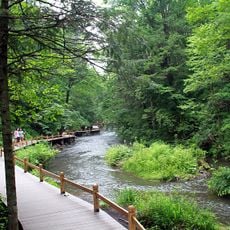
The mountain hosts over 300 plant species, including 16 tree varieties and 40 shrub types, with Manchurian Fir and Jezo Spruce dominating the landscape. This plant diversity makes the location an important area for regional wildlife and shows how steep terrain protects different ecosystems.
The community of curious travelers
AroundUs brings together thousands of curated places, local tips, and hidden gems, enriched daily by 60,000 contributors worldwide.