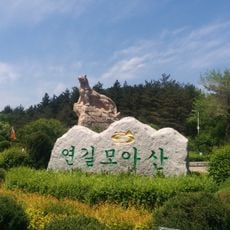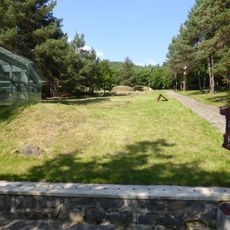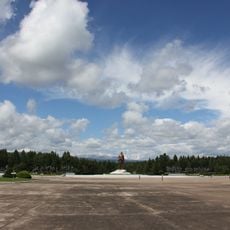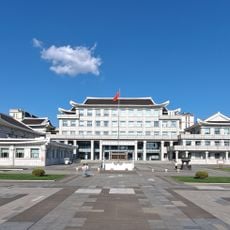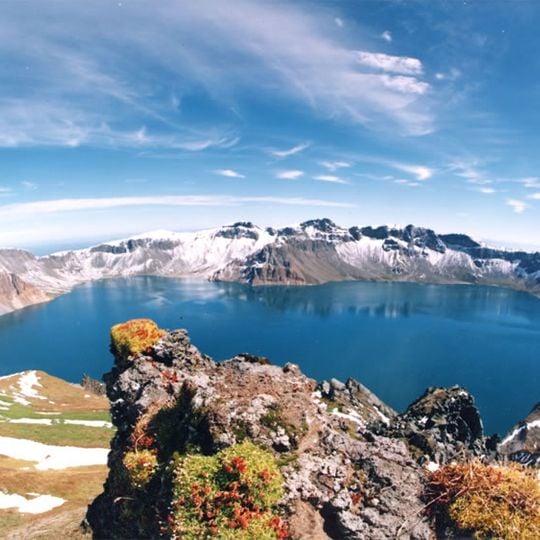
Baekdudaegan, Mountain range in North Korea.
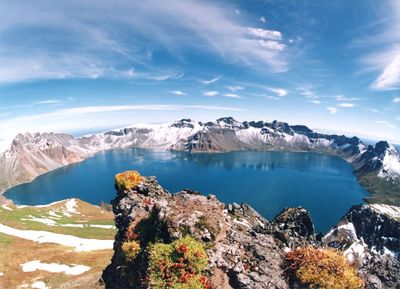
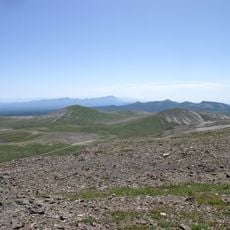
The Baekdudaegan is a mountain range in North Korea characterized by a continuous ridge running through the territory with peaks exceeding 2,700 meters in height. The system forms an unbroken backbone of high ground that defines the region's physical landscape and divides water systems across the peninsula.
During Japanese colonial rule from 1910 to 1945, the mountain range became subject to reinterpretations that attempted to shift how Koreans understood their landscape. These efforts left an enduring mark on how the range is perceived in national consciousness.
The ridge line holds deep meaning for Korean people as a symbol of territorial continuity, something they experience as part of their national identity. Local stories and place names along the range reflect how communities have historically organized themselves around this natural feature.
Visiting this mountain range in North Korea requires special permits and access through organized guided tours authorized by local authorities. Spring and autumn offer the best conditions for exploring the terrain due to milder weather.
The mountain system forms a complete watershed divide with no major rivers crossing its main ridge throughout its entire length. This unusual hydrological feature makes the spine an absolute barrier separating water flows across the entire peninsula.
The community of curious travelers
AroundUs brings together thousands of curated places, local tips, and hidden gems, enriched daily by 92,734 contributors worldwide.