Bukchon Hanok Village, Traditional residential village in Seoul, South Korea.
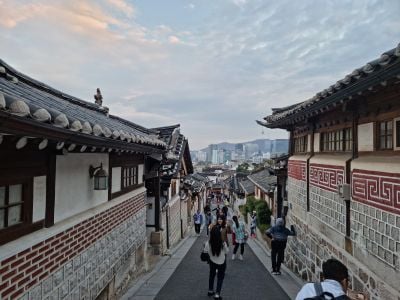
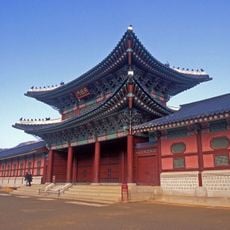
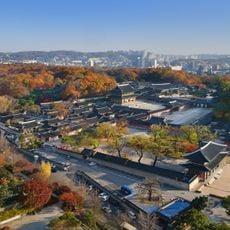
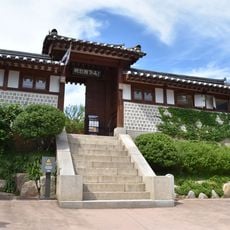
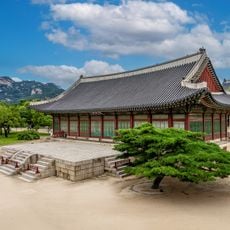
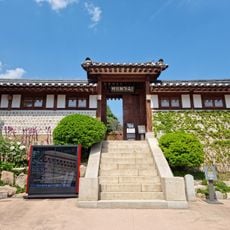
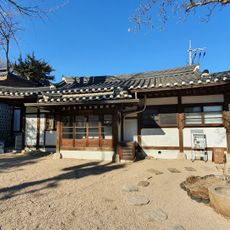
Bukchon Hanok Village is a traditional residential neighborhood in Seoul located between Gyeongbokgung Palace and Changdeokgung Palace, with hundreds of hanok houses lining narrow stone-paved lanes. These structures feature characteristic Korean architecture with wooden frames, inner courtyards, and distinctive curved tile roofs.
The neighborhood developed during the Joseon Dynasty from 1392 to 1897, when wealthy officials and noble families built their homes here. The settlement maintained its character through the centuries, though many structures underwent renovation or restoration in later periods.
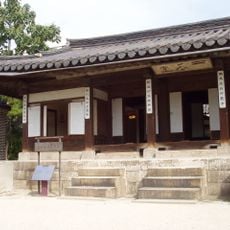
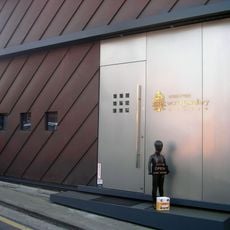
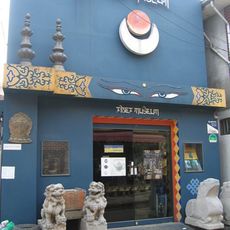
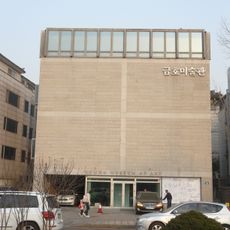
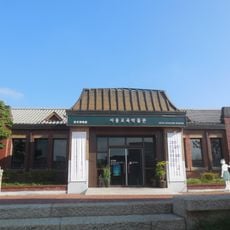
Bukchon's name means "north village" because it lies north of Cheonggyecheon stream and Jongno. Among the roughly 920 hanok used commercially in 2014 is Kum Bak Yeon, a workshop applying gold leaf to clothing. The neighborhood also holds the Bukchon Traditional Culture Center, housed in a restored late-Joseon official's home.
The neighborhood offers numerous guesthouses, tea rooms, and cultural centers for visitors to explore traditional Korean architecture and experience local customs. The stone-paved lanes are easy to walk through, though some areas are steep and sturdy footwear is recommended.
Most hanok here are private homes, not museum pieces: in 2024 about 6,100 residents shared the lanes with 6.4 million visitors. Since January 2025, non-guests may enter only between 10 a.m. and 5 p.m., and notices on the walls ask walkers to keep their voices down.
The community of curious travelers
AroundUs brings together thousands of curated places, local tips, and hidden gems, enriched daily by 93,338 contributors worldwide.