See the monuments around you in AROpen chests in the app
Around Us is built for your phone — point your camera at the streets and discover the monuments and places around you in augmented reality.Around Us is built for your phone — chests unlock when you walk, explore and capture nearby places.
Seoul offers numerous places beyond its main attractions, each revealing different aspects of the city. Traditional Hanok villages with their distinctive wooden structures and courtyard layouts exist alongside transformed industrial buildings and former royal residences. Gardens, art museums, and historical sites provide access to Korean culture and history. These locations spread across several districts and are reachable by public transportation.
The Hanok villages like Ikseon, Bukchon, and Eunpyeong preserve the character of earlier periods. Cultural and artistic spaces including Leeum and the Museum of Korean Buddhist Art display works of significance. Parks such as Seonyudo and Seoul Forest offer green space and rest within the city. The Seodaemun Prison History Hall and Unhyeongung Royal Residence document important chapters in Korea's past.
Many of these places have drawn local artists and communities. Mullae Arts Village and Ihwa Mural Village show how neighborhoods have been revived through creative activity. Common Ground and Seoullo 7017 demonstrate how older structures have been converted into new public spaces. Those seeking to explore the city beyond popular routes will discover insights into Korea's varied history and contemporary life.
Seoul offers numerous places beyond its main attractions, each revealing different aspects of the city. Traditional Hanok villages with their distinctive wooden structures and courtyard layouts exist alongside transformed industrial buildings and former royal residences. Gardens, art museums, and historical sites provide access to Korean culture and history. These locations spread across several districts and are reachable by public transportation.
The Hanok villages like Ikseon, Bukchon, and Eunpyeong preserve the character of earlier periods. Cultural and artistic spaces including Leeum and the Museum of Korean Buddhist Art display works of significance. Parks such as Seonyudo and Seoul Forest offer green space and rest within the city. The Seodaemun Prison History Hall and Unhyeongung Royal Residence document important chapters in Korea's past.
Many of these places have drawn local artists and communities. Mullae Arts Village and Ihwa Mural Village show how neighborhoods have been revived through creative activity. Common Ground and Seoullo 7017 demonstrate how older structures have been converted into new public spaces. Those seeking to explore the city beyond popular routes will discover insights into Korea's varied history and contemporary life.
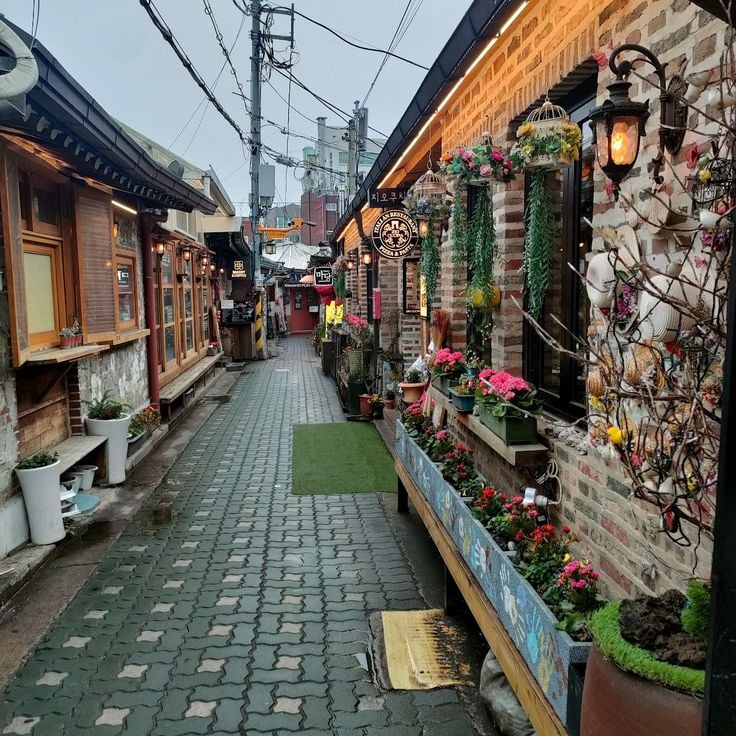
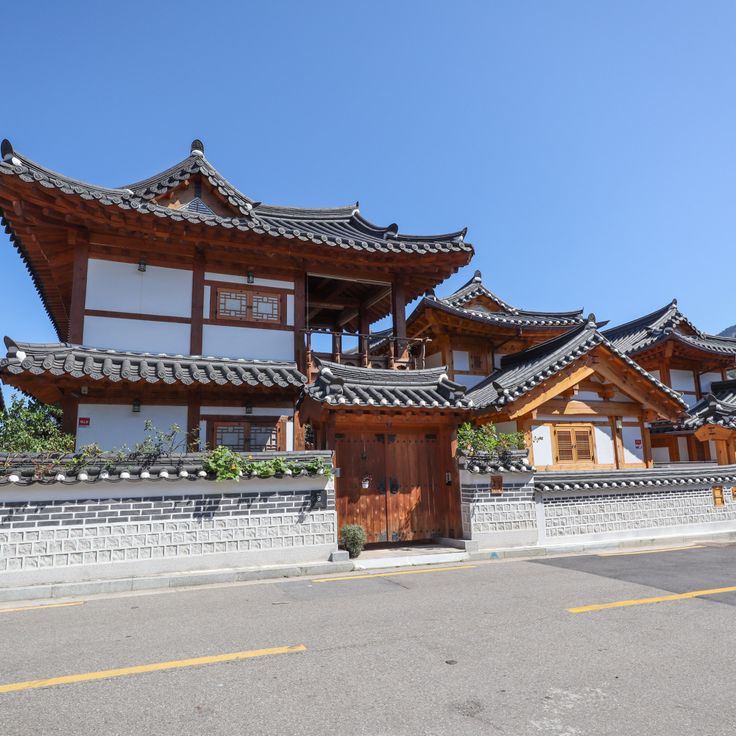
Ikseon Hanok Village is part of this collection of hidden spots in Seoul, showcasing traditional Korean residential architecture. The district contains more than 140 houses built in the 1920s, arranged along narrow lanes with characteristic sloped roofs and wooden structures. Walking through the village gives a direct sense of how Seoul looked and functioned in earlier decades. Today, visitors find restored homes, small cafes, and galleries that offer access to Korean domestic life and artistic expression.
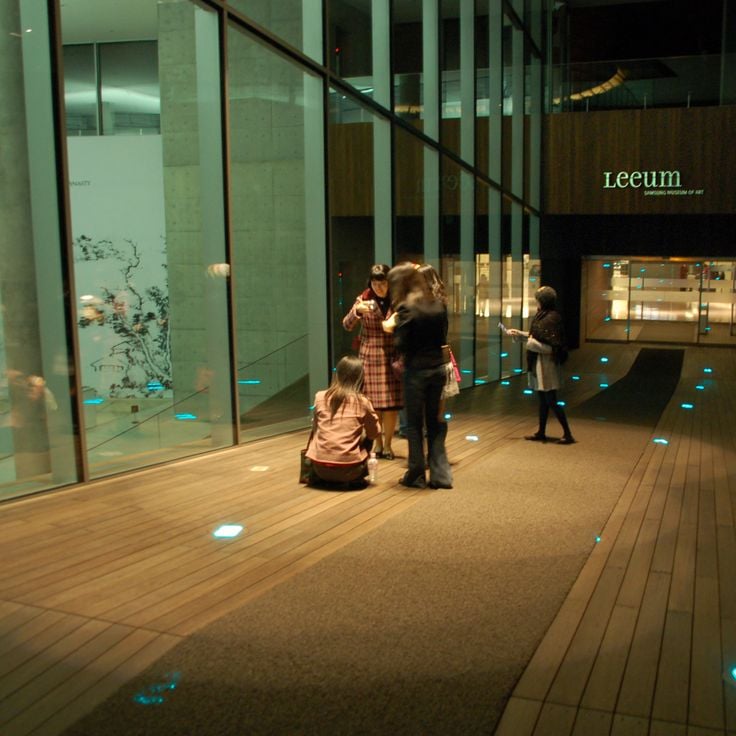
The Leeum Museum displays Korean antiquities and international modern art across three separate buildings. As one of Seoul's hidden cultural sites, this museum provides access to Korean art history and contemporary artistic expressions. Visitors can explore traditional Korean craftsmanship alongside works by international artists.
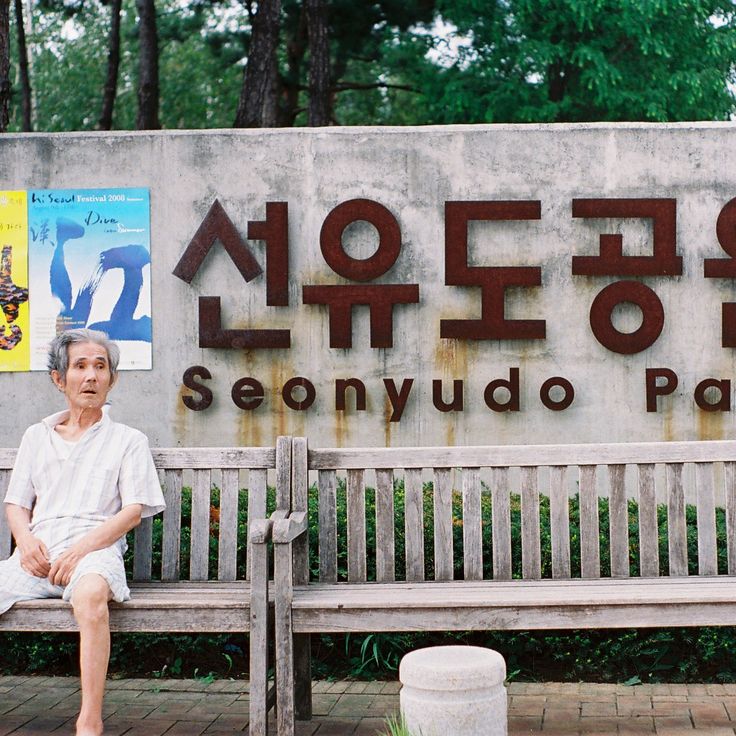
Seonyudo Park on an island in the Han River shows how Seoul transforms old industrial sites into new public spaces. The former water treatment facility has become a park where people walk among gardens and enjoy views of the river. It is one of several converted buildings in the city that tells stories about how Seoul has changed.
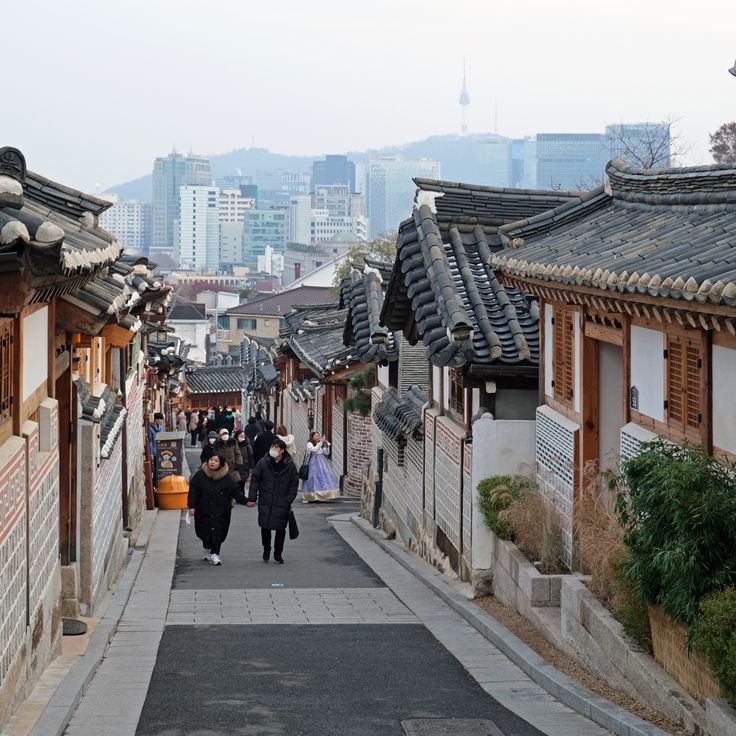
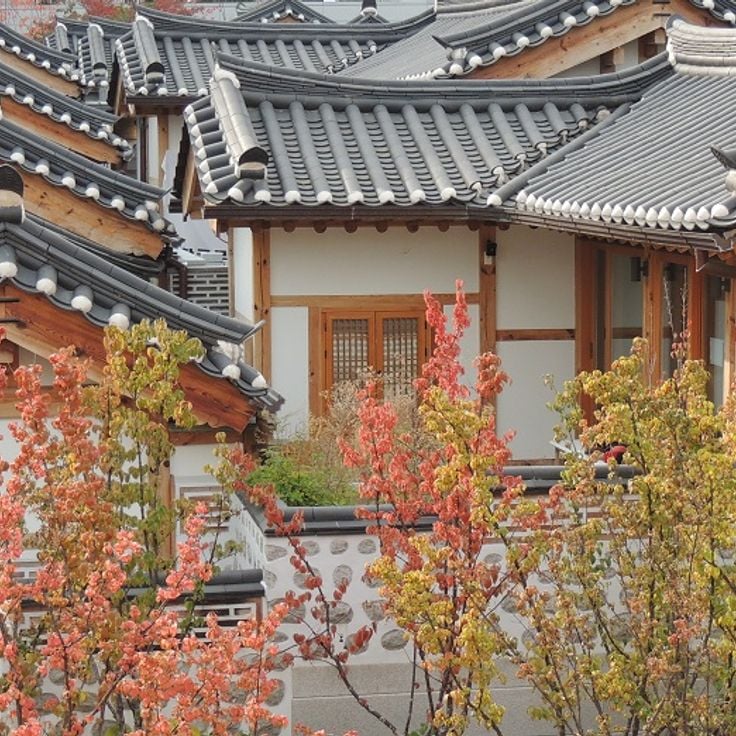
Bukchon Hanok Village reveals a different side of Seoul beyond the main attractions. This district preserves over 900 traditional Korean houses from the Joseon Dynasty situated between two palaces. Narrow alleyways wind past characteristic wooden homes with curved tile roofs. Visitors walk through living streets where old residences share space with small shops, cafes, and art galleries. The village displays how people lived in Korea during an earlier era.
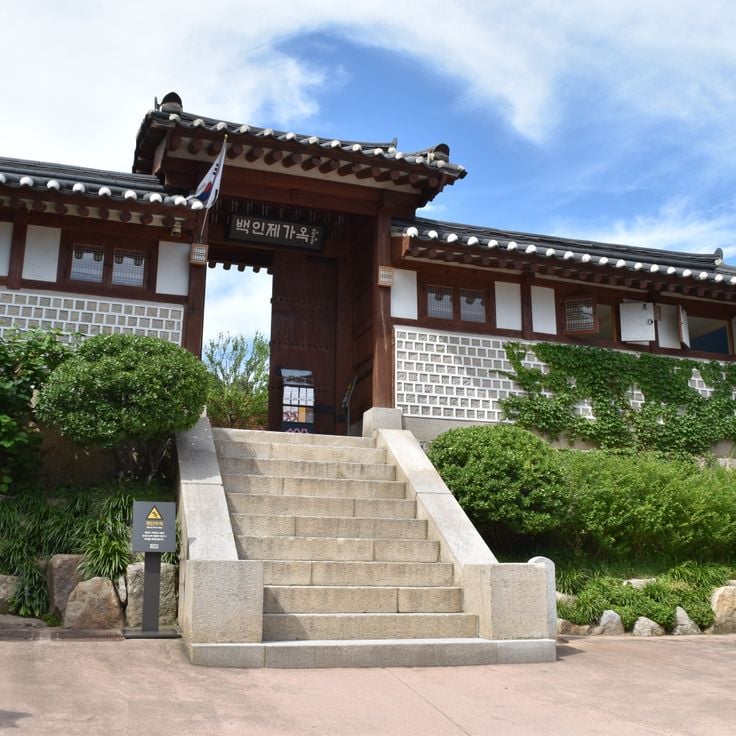
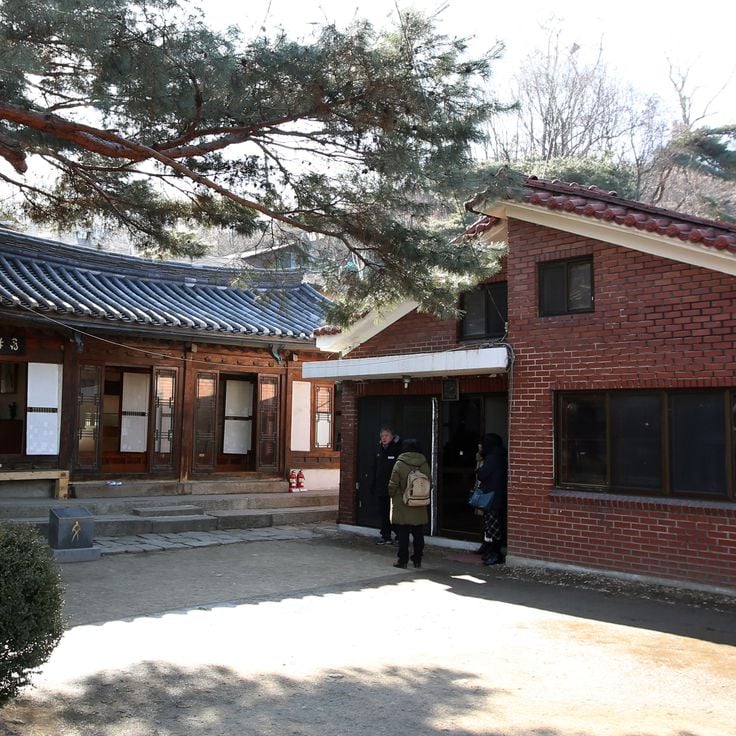
The Korean House Museum displays a 1930s residence that reflects Seoul's layered past. The building combines traditional Korean and Japanese architectural elements in spaces that remain in their original condition. Walking through the rooms reveals how people lived during this period. As part of Seoul's hidden sites, the museum offers direct access to Korean domestic life and design from a specific era.
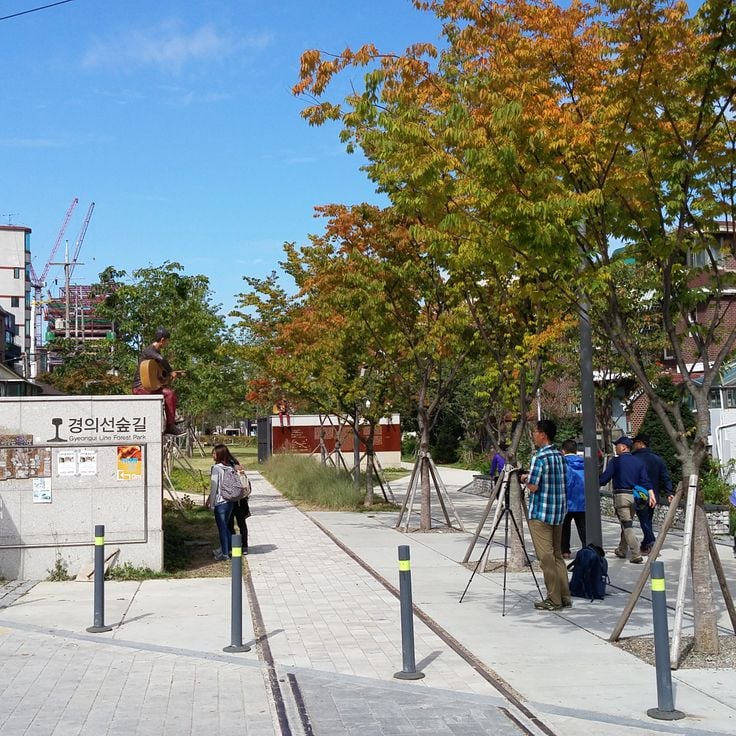
Gyeongui Urban Park shows how Seoul transforms former industrial sites into green spaces. This park was built on an abandoned railway line and features walking paths, benches, and spaces for events. It connects different neighborhoods and lets visitors experience the city from a new vantage point.
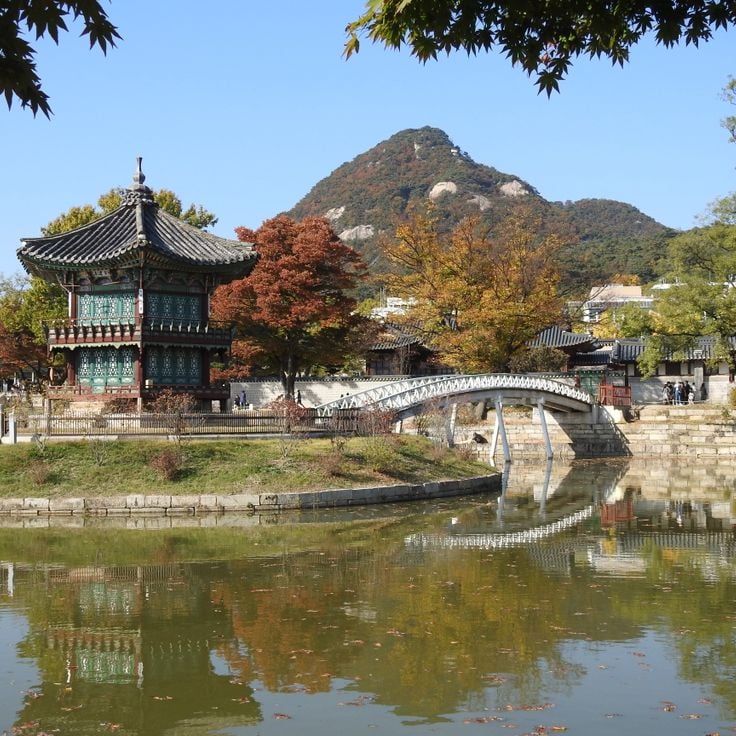
This Historical Pavilion was an archery practice site during the Joseon Dynasty and sits among the hidden cultural sites that make up Seoul beyond the main attractions. The pavilion offers views of the city and surrounding mountains, providing a window into how Korean nobility trained and spent their time. It represents one of several historical locations scattered across Seoul's districts that reveal different layers of the city's past, from royal practices to everyday life in earlier centuries.
This library exemplifies the hidden cultural sites scattered across Seoul beyond main attractions. Within its 1977 building, historical documents sit alongside modern reading rooms, creating a space where visitors discover layers of Korean heritage. The library offers direct access to the country's documented past while remaining easily accessible by public transport.
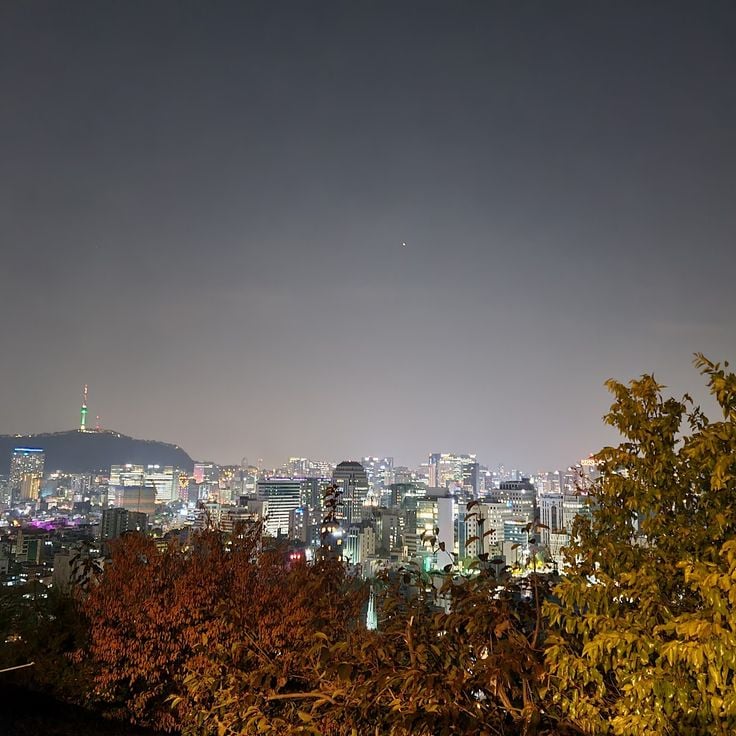
Naksan Park is one of the hidden green spaces throughout Seoul. The park sits on a hill and looks out over the city. Remains of the old city wall can be seen here. The space brings together views of Seoul with pieces of its past.
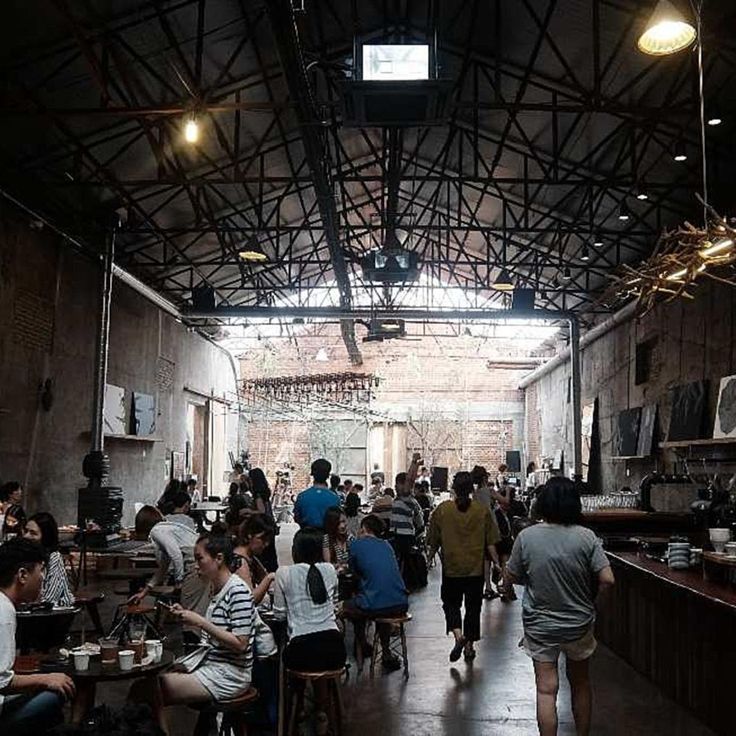
Daerim Changgo is a renovated 1960s industrial building that sits among Seoul's hidden sites beyond main attractions. The space hosts art exhibitions and cultural events, showing how the city transforms its past while remaining connected to Korean culture. Located in Yeongdeungpo-gu, this venue gives visitors a chance to experience contemporary art and local creative activity away from crowded tourist areas.
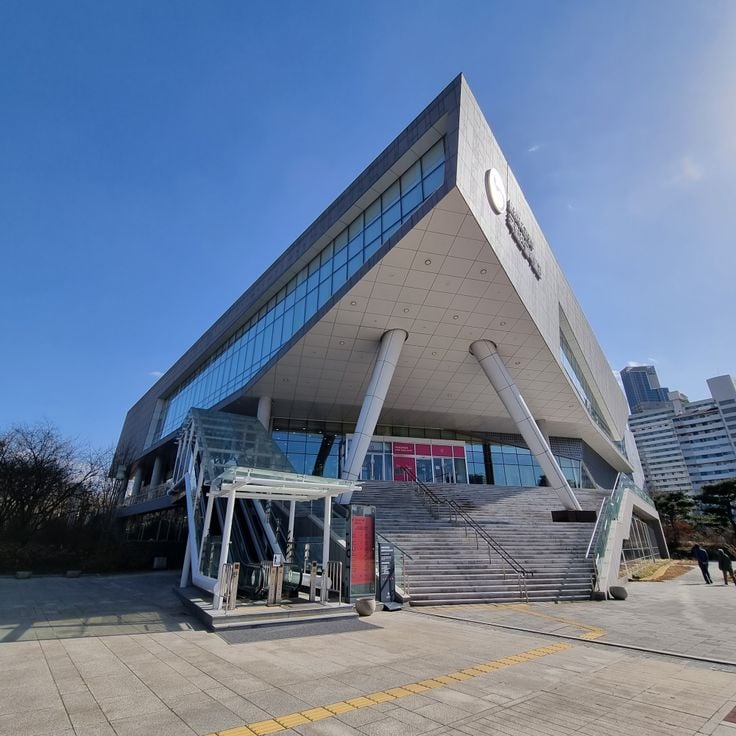
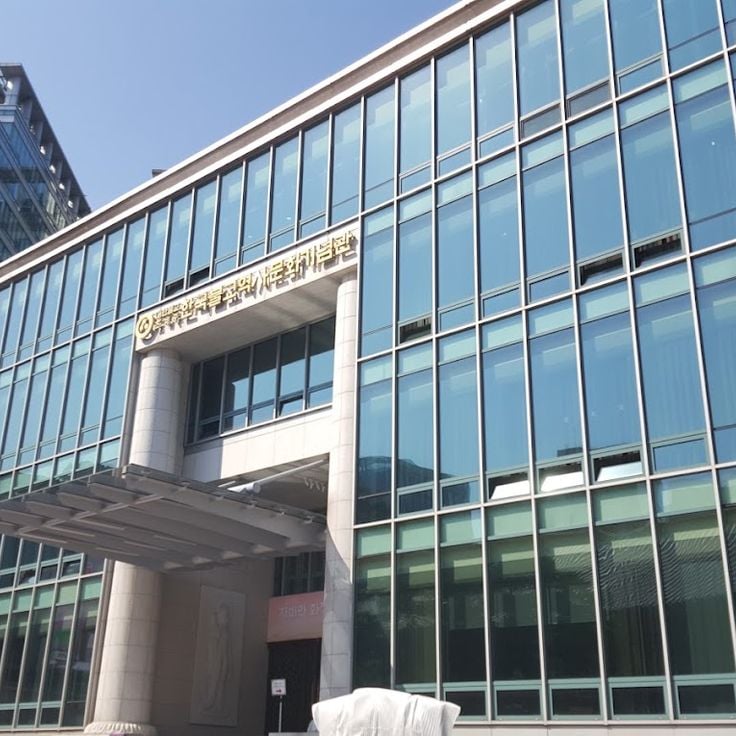
The Museum of Korean Buddhist Art displays Buddhist statues, paintings and religious artifacts from different periods of Korean history. As one of Seoul's hidden spots, this museum provides access to Korean culture and sits in a district easily reached by public transport.
Cheongun Literature Library is one of Seoul's hidden spots where visitors can engage with Korean literature. The library holds an extensive collection of Korean works and features reading areas that look out over the garden. It represents the kind of place that shows how the city preserves its cultural depth across different districts.
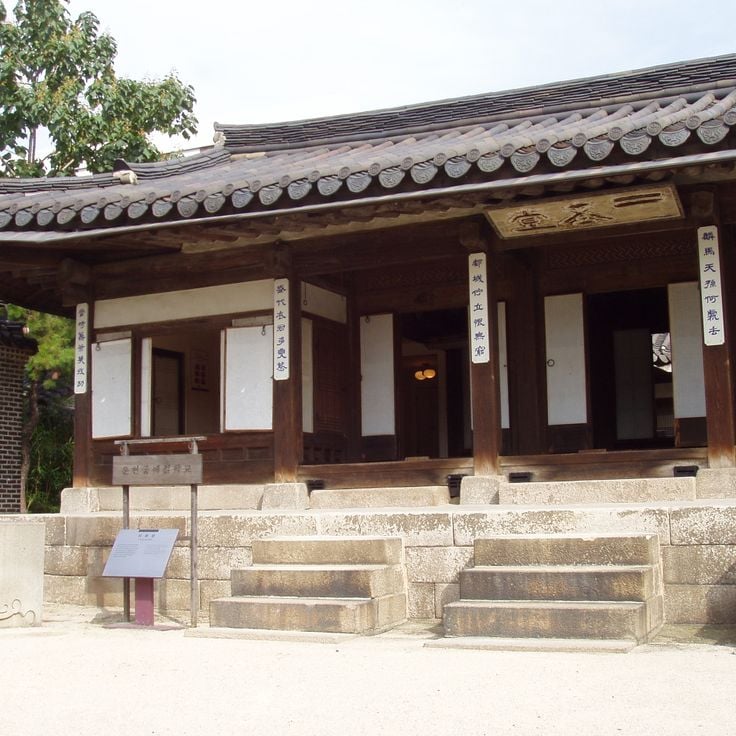
The Unhyeongung Royal Residence is a 19th century palace complex that displays original furniture and daily objects from the Korean royal family. At this location, visitors can understand how the royals lived and learn more about Korean culture. This former royal residence is one of Seoul's hidden spots that can be reached by public transport.
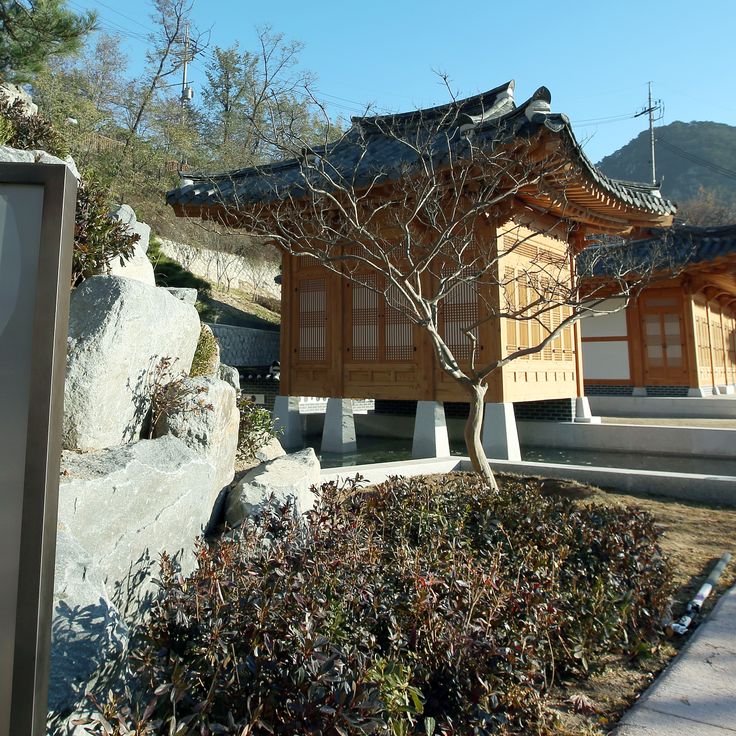
This Eunpyeong Hanok Village is part of Seoul's hidden spots that lie beyond the main attractions. The village shows how traditional Korean homes work in modern times. Here you can walk through residential spaces where people live in Hanok houses that combine traditional building methods with contemporary comforts and services.
Simujang House is a hidden spot in Seoul that goes beyond the city's main attractions. This 1930 building displays Japanese colonial architecture with original furniture and artworks preserved from the period. It offers insight into a specific chapter of Korean history and is accessible by public transport, like other historical sites scattered across Seoul's districts.
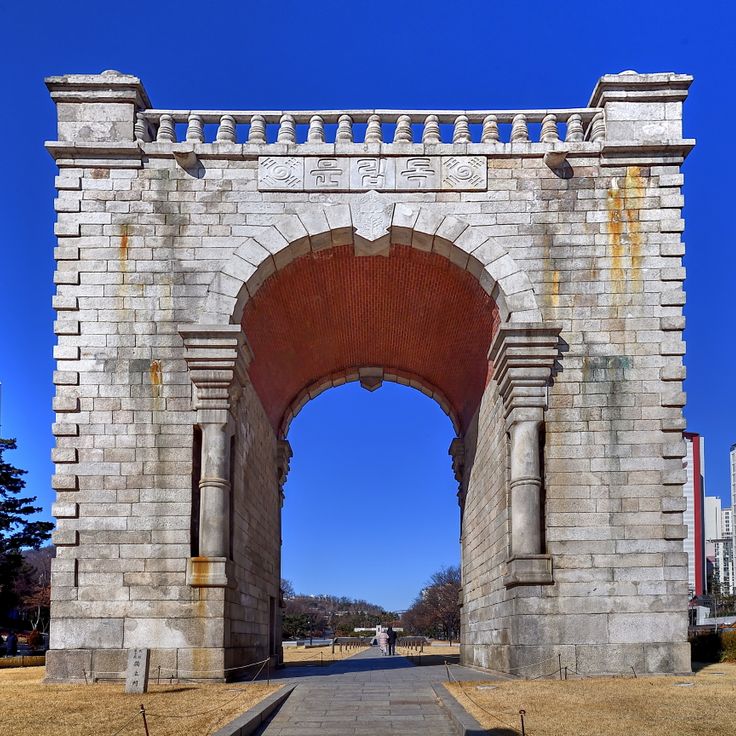
Dongnimmun Gate is a stone gate built in 1915 in the Seodaemun district. It marks the site of the first independence movement against Japanese rule. This gate tells part of Korea's history and sits in a neighborhood with other historical sites. It is easy to reach by public transport and represents one of many locations in Seoul that go beyond the main attractions.
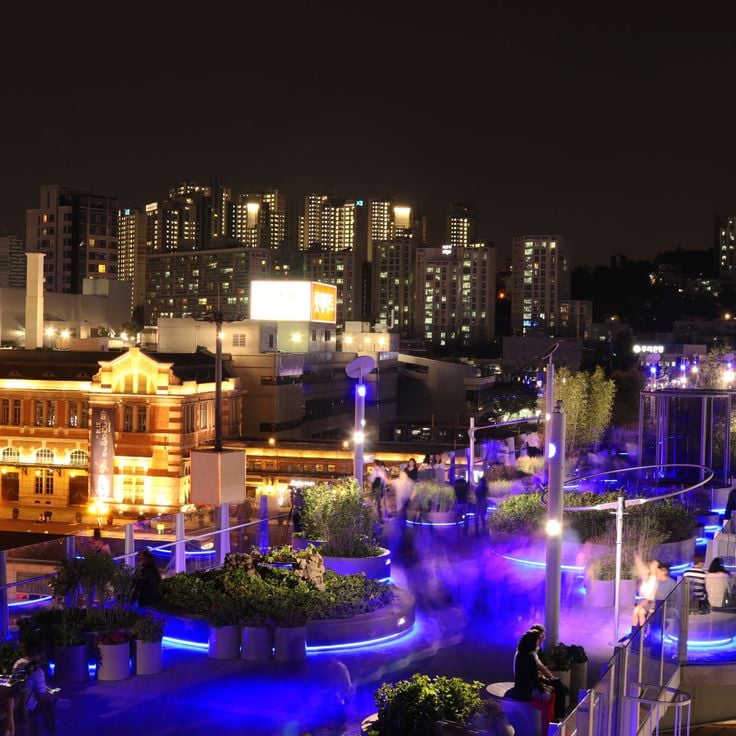
Seoullo 7017 is a green passage built on a former highway that connects different districts. This site shows how Seoul transforms old infrastructure into new public spaces. With more than 24000 plants, it offers a place to walk and a different way to see the city. The site is one of the hidden spots in Seoul beyond main attractions.
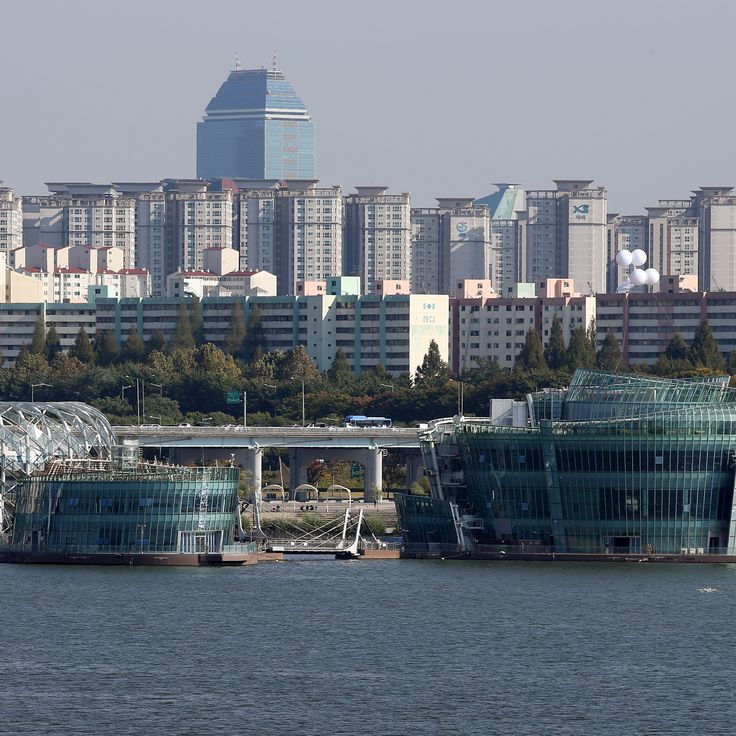
Floating Island Seoul is a modern venue in Seocho-gu featuring three LED-illuminated structures set on water. The site holds exhibition spaces, restaurants, and a concert hall seating 700 people. As one of Seoul's hidden destinations, this location demonstrates how the city blends contemporary culture with its natural surroundings, offering visitors a different perspective on the city's cultural life.
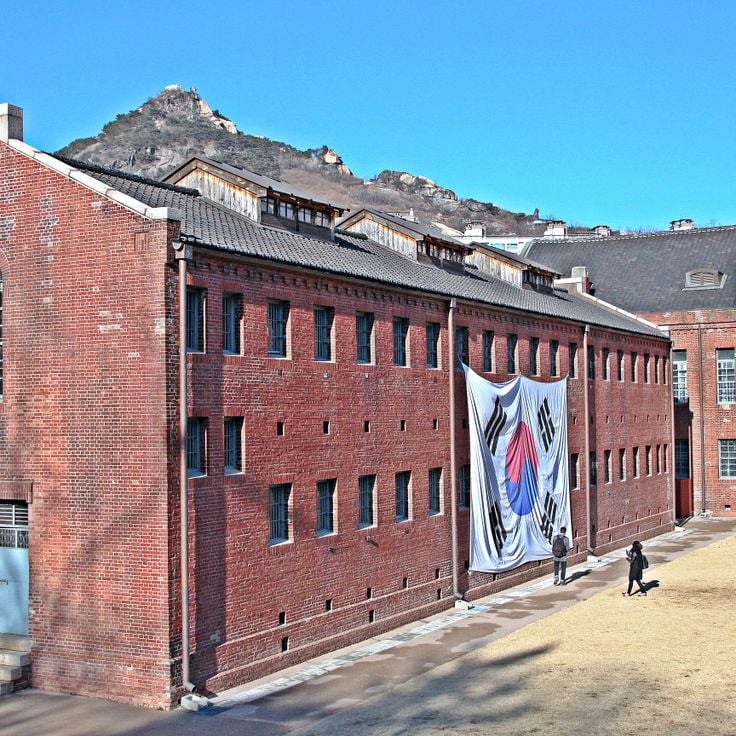
Seodaemun Prison History Hall is a former prison built in 1908 that documents the Japanese colonial period in Korea. It stands as one of Seoul's lesser-known sites beyond the main attractions, offering visitors access to this difficult chapter of Korean history. The building preserves original cells and displays historical exhibits that reveal what life was like during colonial rule. Located in an accessible area served by public transport, this site helps travelers understand the resilience and struggles of Korean people during this era.
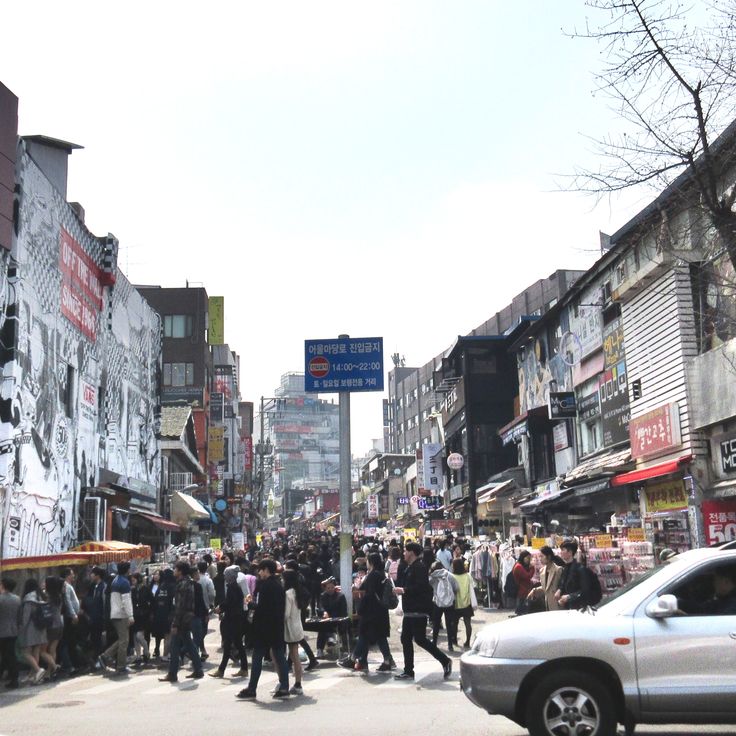
Yeonnam-dong is a district that houses contemporary art galleries, international restaurants, and specialized art bookstores. The area shows how Seoul blends its past with modern daily life. A former railway embankment has been converted into a green public space for walking and gathering. This district reveals a different side of Seoul beyond the main attractions.
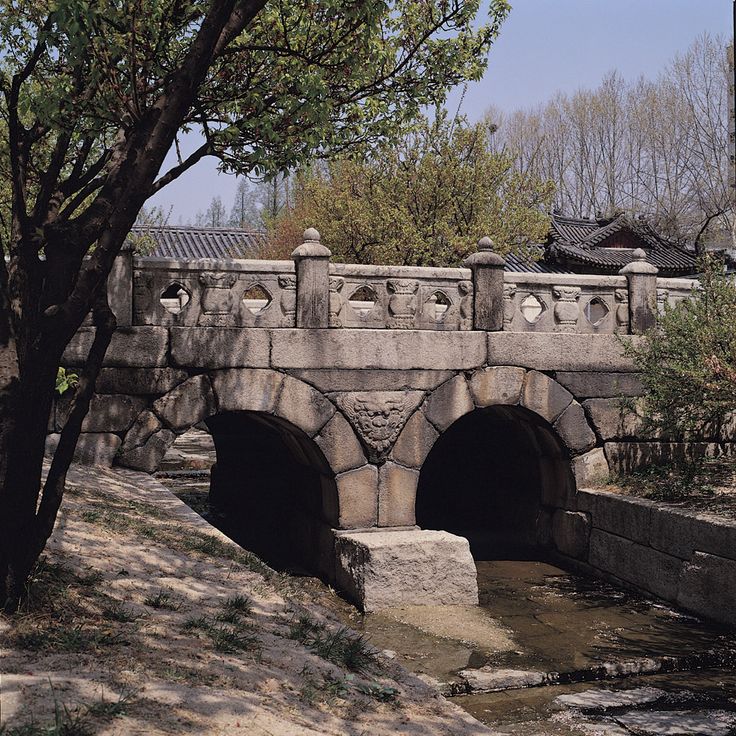
Geumcheongyo Bridge is one of the hidden spots in Seoul that reveals layers of Korean culture. This 15th century stone structure spans a narrow water canal within a palace complex and demonstrates the craftsmanship of its era through careful stonework.
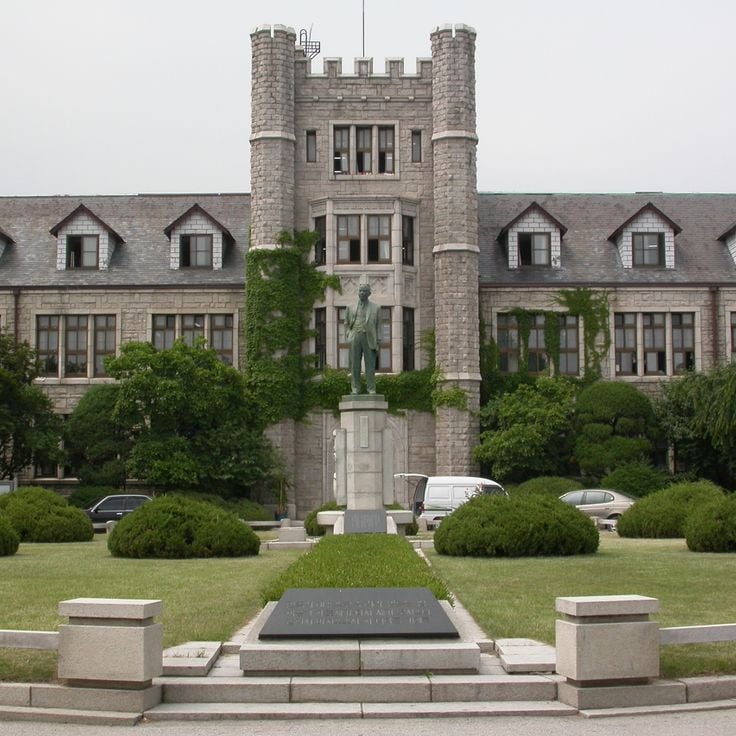
Choong Ang High School is a building from 1923 that blends Korean and Western architecture and serves as a filming location. This school building shows how Seoul developed in the early 1900s and demonstrates the way foreign influences shaped the city's construction during that period. The structure stands in Jongno-gu as a tangible record of the city's architectural transition.
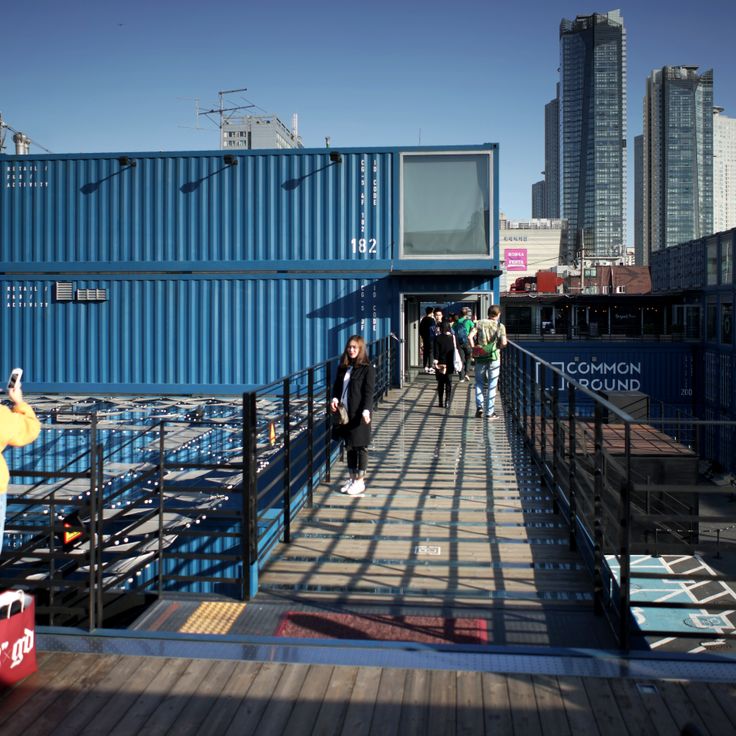
Common Ground reveals a different side of Seoul beyond the main attractions. This marketplace is built from 200 blue shipping containers that house small shops, restaurants, and art galleries spread across multiple levels. The place lets visitors encounter local designers, artists, and food creators while experiencing how the city transforms industrial materials into spaces for creativity and community.
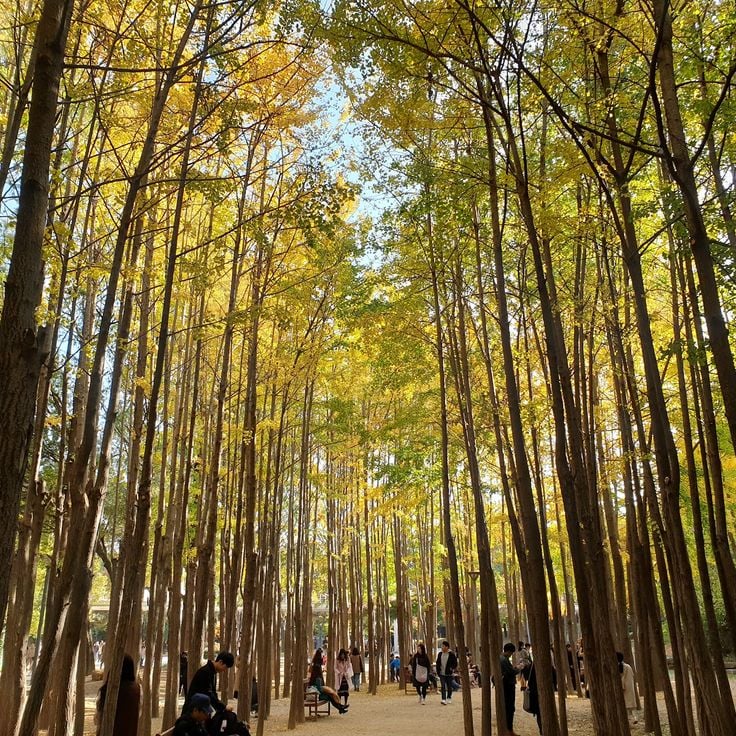
Seoul Forest is a large park in this city that offers spaces to explore beyond the main attractions. With five themed areas including a cultural park, wetland ecological park, and deer forest, it shows different sides of Seoul's natural and cultural life. The park provides a place to walk, observe animals, and spend time in green spaces across one of the city's districts.
Donuimun Museum Village displays original Korean houses from the 20th century that were moved and rebuilt at this location. It represents one of Seoul's hidden spots beyond main attractions, offering insight into how Korean families lived during that era. Walking through the reconstructed houses, you experience the daily life and architecture of the period. The village helps visitors understand Korean domestic culture and residential traditions.
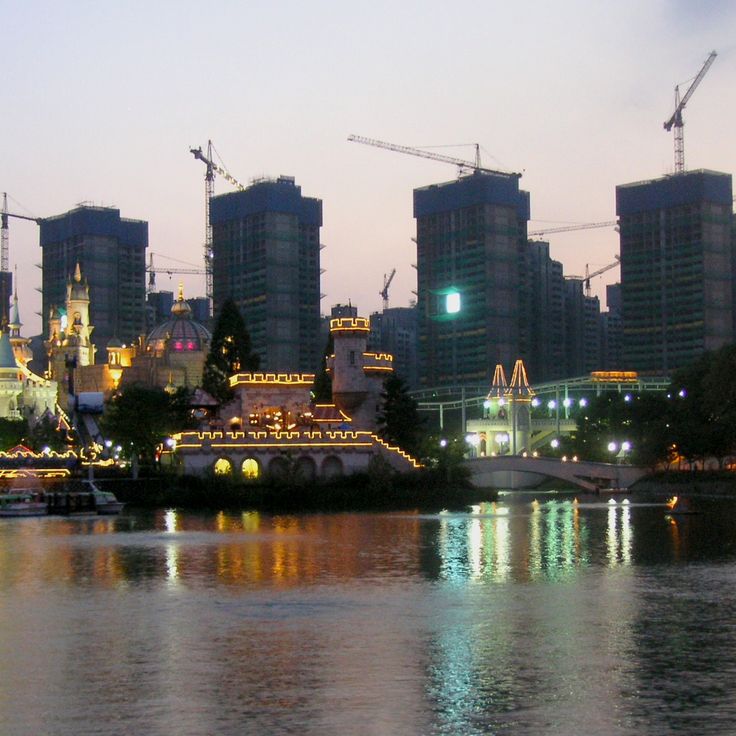
This lake in Seoul is a place where people walk, exercise, and spend time outdoors. Seokchon Lake has paths for walking, playgrounds for children, and areas for sports. It sits next to the Lotte World complex. This lake is one of the hidden spots in Seoul, offering a different way to experience the city beyond the main attractions.
Mullae Arts Village occupies a former industrial area with metal workshops that has transformed into a hub for artist studios and galleries. This place shows how Seoul converts old manufacturing zones into contemporary art spaces. The village is part of the hidden sites throughout the city beyond main attractions, offering access to the creative aspects of Korean culture.
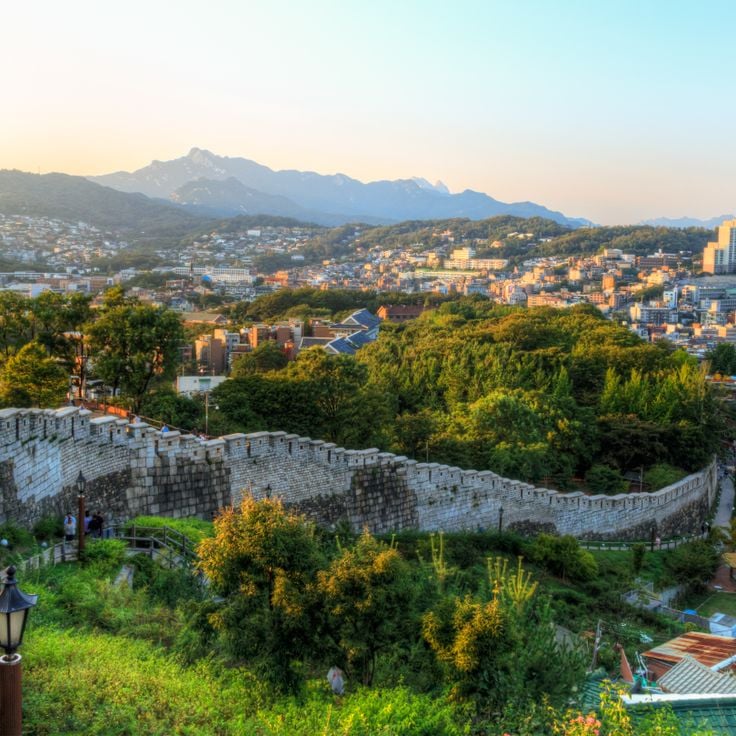
The Wall of Seoul Fortress is a stone structure from the Joseon Dynasty built in the 14th century. This wall encircles four mountains and shows how the city was once protected. Walking along it gives you views across Seoul and lets you understand how the city developed over centuries. The wall is one of several historical sites scattered across the city that reveal different aspects of Korean culture.
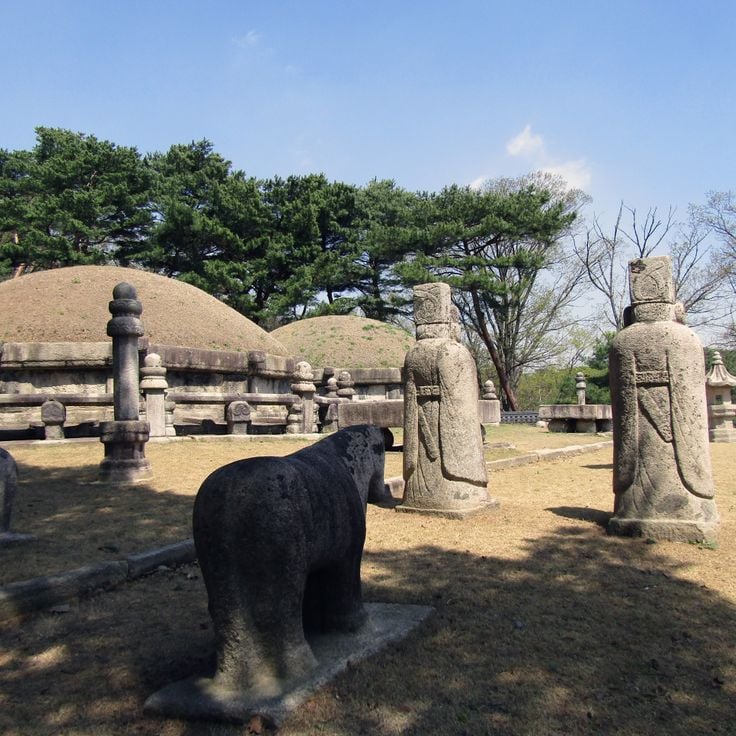
Heonilleung Royal Tombs is a historical burial site in Seoul featuring two tombs from the Joseon Dynasty. Traditional architecture and stone statues stand among old trees in a park setting. This location offers insight into Korea's royal past and represents one of Seoul's lesser-known sites beyond the main tourist attractions. Visitors can explore the craftsmanship and cultural heritage of the Joseon period in a setting that reflects the city's deeper historical layers.
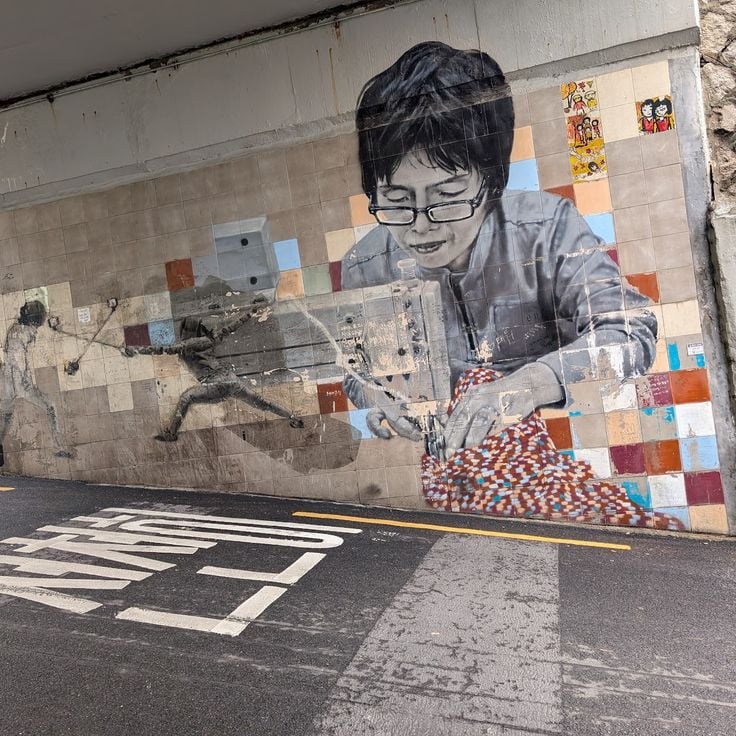
Ihwa Mural Village is a neighborhood in Seoul where over 100 wall paintings and art installations created by local artists cover house walls and staircases. It shows how art transforms public spaces and offers a glimpse into the creative side of the city beyond main attractions.
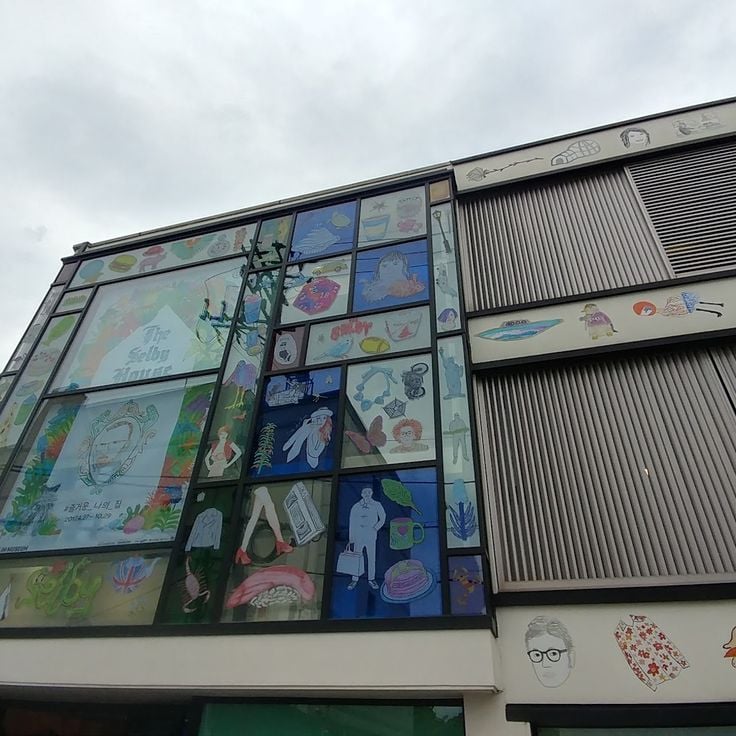
The Daelim Museum is an art museum located in a modern building in Jongno-gu, fitting into Seoul's collection of hidden cultural sites beyond main attractions. It features rotating exhibitions of photography, design, and contemporary art from Korean and international artists. The museum provides a window into the city's artistic scene away from crowded tourist areas.
The National Hangeul Museum presents the evolution of Korean writing through historical documents, interactive exhibitions and calligraphy collections. As part of Seoul's hidden spots, this museum offers direct access to Korean culture and history, away from the city's main attractions.
Ikseon Hanok Village is part of this collection of hidden spots in Seoul, showcasing traditional Korean residential architecture. The district contains more than 140 houses built in the 1920s, arranged along narrow lanes with characteristic sloped roofs and wooden structures. Walking through the village gives a direct sense of how Seoul looked and functioned in earlier decades. Today, visitors find restored homes, small cafes, and galleries that offer access to Korean domestic life and artistic expression.
The Leeum Museum displays Korean antiquities and international modern art across three separate buildings. As one of Seoul's hidden cultural sites, this museum provides access to Korean art history and contemporary artistic expressions. Visitors can explore traditional Korean craftsmanship alongside works by international artists.
Seonyudo Park on an island in the Han River shows how Seoul transforms old industrial sites into new public spaces. The former water treatment facility has become a park where people walk among gardens and enjoy views of the river. It is one of several converted buildings in the city that tells stories about how Seoul has changed.
Bukchon Hanok Village reveals a different side of Seoul beyond the main attractions. This district preserves over 900 traditional Korean houses from the Joseon Dynasty situated between two palaces. Narrow alleyways wind past characteristic wooden homes with curved tile roofs. Visitors walk through living streets where old residences share space with small shops, cafes, and art galleries. The village displays how people lived in Korea during an earlier era.
The Korean House Museum displays a 1930s residence that reflects Seoul's layered past. The building combines traditional Korean and Japanese architectural elements in spaces that remain in their original condition. Walking through the rooms reveals how people lived during this period. As part of Seoul's hidden sites, the museum offers direct access to Korean domestic life and design from a specific era.
Gyeongui Urban Park shows how Seoul transforms former industrial sites into green spaces. This park was built on an abandoned railway line and features walking paths, benches, and spaces for events. It connects different neighborhoods and lets visitors experience the city from a new vantage point.
This Historical Pavilion was an archery practice site during the Joseon Dynasty and sits among the hidden cultural sites that make up Seoul beyond the main attractions. The pavilion offers views of the city and surrounding mountains, providing a window into how Korean nobility trained and spent their time. It represents one of several historical locations scattered across Seoul's districts that reveal different layers of the city's past, from royal practices to everyday life in earlier centuries.
This library exemplifies the hidden cultural sites scattered across Seoul beyond main attractions. Within its 1977 building, historical documents sit alongside modern reading rooms, creating a space where visitors discover layers of Korean heritage. The library offers direct access to the country's documented past while remaining easily accessible by public transport.
Naksan Park is one of the hidden green spaces throughout Seoul. The park sits on a hill and looks out over the city. Remains of the old city wall can be seen here. The space brings together views of Seoul with pieces of its past.
Daerim Changgo is a renovated 1960s industrial building that sits among Seoul's hidden sites beyond main attractions. The space hosts art exhibitions and cultural events, showing how the city transforms its past while remaining connected to Korean culture. Located in Yeongdeungpo-gu, this venue gives visitors a chance to experience contemporary art and local creative activity away from crowded tourist areas.
The Museum of Korean Buddhist Art displays Buddhist statues, paintings and religious artifacts from different periods of Korean history. As one of Seoul's hidden spots, this museum provides access to Korean culture and sits in a district easily reached by public transport.
Cheongun Literature Library is one of Seoul's hidden spots where visitors can engage with Korean literature. The library holds an extensive collection of Korean works and features reading areas that look out over the garden. It represents the kind of place that shows how the city preserves its cultural depth across different districts.
The Unhyeongung Royal Residence is a 19th century palace complex that displays original furniture and daily objects from the Korean royal family. At this location, visitors can understand how the royals lived and learn more about Korean culture. This former royal residence is one of Seoul's hidden spots that can be reached by public transport.
This Eunpyeong Hanok Village is part of Seoul's hidden spots that lie beyond the main attractions. The village shows how traditional Korean homes work in modern times. Here you can walk through residential spaces where people live in Hanok houses that combine traditional building methods with contemporary comforts and services.
Simujang House is a hidden spot in Seoul that goes beyond the city's main attractions. This 1930 building displays Japanese colonial architecture with original furniture and artworks preserved from the period. It offers insight into a specific chapter of Korean history and is accessible by public transport, like other historical sites scattered across Seoul's districts.
Dongnimmun Gate is a stone gate built in 1915 in the Seodaemun district. It marks the site of the first independence movement against Japanese rule. This gate tells part of Korea's history and sits in a neighborhood with other historical sites. It is easy to reach by public transport and represents one of many locations in Seoul that go beyond the main attractions.
Seoullo 7017 is a green passage built on a former highway that connects different districts. This site shows how Seoul transforms old infrastructure into new public spaces. With more than 24000 plants, it offers a place to walk and a different way to see the city. The site is one of the hidden spots in Seoul beyond main attractions.
Floating Island Seoul is a modern venue in Seocho-gu featuring three LED-illuminated structures set on water. The site holds exhibition spaces, restaurants, and a concert hall seating 700 people. As one of Seoul's hidden destinations, this location demonstrates how the city blends contemporary culture with its natural surroundings, offering visitors a different perspective on the city's cultural life.
Seodaemun Prison History Hall is a former prison built in 1908 that documents the Japanese colonial period in Korea. It stands as one of Seoul's lesser-known sites beyond the main attractions, offering visitors access to this difficult chapter of Korean history. The building preserves original cells and displays historical exhibits that reveal what life was like during colonial rule. Located in an accessible area served by public transport, this site helps travelers understand the resilience and struggles of Korean people during this era.
Yeonnam-dong is a district that houses contemporary art galleries, international restaurants, and specialized art bookstores. The area shows how Seoul blends its past with modern daily life. A former railway embankment has been converted into a green public space for walking and gathering. This district reveals a different side of Seoul beyond the main attractions.
Geumcheongyo Bridge is one of the hidden spots in Seoul that reveals layers of Korean culture. This 15th century stone structure spans a narrow water canal within a palace complex and demonstrates the craftsmanship of its era through careful stonework.
Choong Ang High School is a building from 1923 that blends Korean and Western architecture and serves as a filming location. This school building shows how Seoul developed in the early 1900s and demonstrates the way foreign influences shaped the city's construction during that period. The structure stands in Jongno-gu as a tangible record of the city's architectural transition.
Common Ground reveals a different side of Seoul beyond the main attractions. This marketplace is built from 200 blue shipping containers that house small shops, restaurants, and art galleries spread across multiple levels. The place lets visitors encounter local designers, artists, and food creators while experiencing how the city transforms industrial materials into spaces for creativity and community.
Seoul Forest is a large park in this city that offers spaces to explore beyond the main attractions. With five themed areas including a cultural park, wetland ecological park, and deer forest, it shows different sides of Seoul's natural and cultural life. The park provides a place to walk, observe animals, and spend time in green spaces across one of the city's districts.
Donuimun Museum Village displays original Korean houses from the 20th century that were moved and rebuilt at this location. It represents one of Seoul's hidden spots beyond main attractions, offering insight into how Korean families lived during that era. Walking through the reconstructed houses, you experience the daily life and architecture of the period. The village helps visitors understand Korean domestic culture and residential traditions.
This lake in Seoul is a place where people walk, exercise, and spend time outdoors. Seokchon Lake has paths for walking, playgrounds for children, and areas for sports. It sits next to the Lotte World complex. This lake is one of the hidden spots in Seoul, offering a different way to experience the city beyond the main attractions.
Mullae Arts Village occupies a former industrial area with metal workshops that has transformed into a hub for artist studios and galleries. This place shows how Seoul converts old manufacturing zones into contemporary art spaces. The village is part of the hidden sites throughout the city beyond main attractions, offering access to the creative aspects of Korean culture.
The Wall of Seoul Fortress is a stone structure from the Joseon Dynasty built in the 14th century. This wall encircles four mountains and shows how the city was once protected. Walking along it gives you views across Seoul and lets you understand how the city developed over centuries. The wall is one of several historical sites scattered across the city that reveal different aspects of Korean culture.
Heonilleung Royal Tombs is a historical burial site in Seoul featuring two tombs from the Joseon Dynasty. Traditional architecture and stone statues stand among old trees in a park setting. This location offers insight into Korea's royal past and represents one of Seoul's lesser-known sites beyond the main tourist attractions. Visitors can explore the craftsmanship and cultural heritage of the Joseon period in a setting that reflects the city's deeper historical layers.
Ihwa Mural Village is a neighborhood in Seoul where over 100 wall paintings and art installations created by local artists cover house walls and staircases. It shows how art transforms public spaces and offers a glimpse into the creative side of the city beyond main attractions.
The Daelim Museum is an art museum located in a modern building in Jongno-gu, fitting into Seoul's collection of hidden cultural sites beyond main attractions. It features rotating exhibitions of photography, design, and contemporary art from Korean and international artists. The museum provides a window into the city's artistic scene away from crowded tourist areas.
The National Hangeul Museum presents the evolution of Korean writing through historical documents, interactive exhibitions and calligraphy collections. As part of Seoul's hidden spots, this museum offers direct access to Korean culture and history, away from the city's main attractions.
Ikseon Hanok Village is part of this collection of hidden spots in Seoul, showcasing traditional Korean residential architecture. The district contains more than 140 houses built in the 1920s, arranged along narrow lanes with characteristic sloped roofs and wooden structures. Walking through the village gives a direct sense of how Seoul looked and functioned in earlier decades. Today, visitors find restored homes, small cafes, and galleries that offer access to Korean domestic life and artistic expression.
The Leeum Museum displays Korean antiquities and international modern art across three separate buildings. As one of Seoul's hidden cultural sites, this museum provides access to Korean art history and contemporary artistic expressions. Visitors can explore traditional Korean craftsmanship alongside works by international artists.
Seonyudo Park on an island in the Han River shows how Seoul transforms old industrial sites into new public spaces. The former water treatment facility has become a park where people walk among gardens and enjoy views of the river. It is one of several converted buildings in the city that tells stories about how Seoul has changed.
Bukchon Hanok Village reveals a different side of Seoul beyond the main attractions. This district preserves over 900 traditional Korean houses from the Joseon Dynasty situated between two palaces. Narrow alleyways wind past characteristic wooden homes with curved tile roofs. Visitors walk through living streets where old residences share space with small shops, cafes, and art galleries. The village displays how people lived in Korea during an earlier era.
The Korean House Museum displays a 1930s residence that reflects Seoul's layered past. The building combines traditional Korean and Japanese architectural elements in spaces that remain in their original condition. Walking through the rooms reveals how people lived during this period. As part of Seoul's hidden sites, the museum offers direct access to Korean domestic life and design from a specific era.
Gyeongui Urban Park shows how Seoul transforms former industrial sites into green spaces. This park was built on an abandoned railway line and features walking paths, benches, and spaces for events. It connects different neighborhoods and lets visitors experience the city from a new vantage point.
This Historical Pavilion was an archery practice site during the Joseon Dynasty and sits among the hidden cultural sites that make up Seoul beyond the main attractions. The pavilion offers views of the city and surrounding mountains, providing a window into how Korean nobility trained and spent their time. It represents one of several historical locations scattered across Seoul's districts that reveal different layers of the city's past, from royal practices to everyday life in earlier centuries.
This library exemplifies the hidden cultural sites scattered across Seoul beyond main attractions. Within its 1977 building, historical documents sit alongside modern reading rooms, creating a space where visitors discover layers of Korean heritage. The library offers direct access to the country's documented past while remaining easily accessible by public transport.
Naksan Park is one of the hidden green spaces throughout Seoul. The park sits on a hill and looks out over the city. Remains of the old city wall can be seen here. The space brings together views of Seoul with pieces of its past.
Daerim Changgo is a renovated 1960s industrial building that sits among Seoul's hidden sites beyond main attractions. The space hosts art exhibitions and cultural events, showing how the city transforms its past while remaining connected to Korean culture. Located in Yeongdeungpo-gu, this venue gives visitors a chance to experience contemporary art and local creative activity away from crowded tourist areas.
The Museum of Korean Buddhist Art displays Buddhist statues, paintings and religious artifacts from different periods of Korean history. As one of Seoul's hidden spots, this museum provides access to Korean culture and sits in a district easily reached by public transport.
Cheongun Literature Library is one of Seoul's hidden spots where visitors can engage with Korean literature. The library holds an extensive collection of Korean works and features reading areas that look out over the garden. It represents the kind of place that shows how the city preserves its cultural depth across different districts.
The Unhyeongung Royal Residence is a 19th century palace complex that displays original furniture and daily objects from the Korean royal family. At this location, visitors can understand how the royals lived and learn more about Korean culture. This former royal residence is one of Seoul's hidden spots that can be reached by public transport.
This Eunpyeong Hanok Village is part of Seoul's hidden spots that lie beyond the main attractions. The village shows how traditional Korean homes work in modern times. Here you can walk through residential spaces where people live in Hanok houses that combine traditional building methods with contemporary comforts and services.
Simujang House is a hidden spot in Seoul that goes beyond the city's main attractions. This 1930 building displays Japanese colonial architecture with original furniture and artworks preserved from the period. It offers insight into a specific chapter of Korean history and is accessible by public transport, like other historical sites scattered across Seoul's districts.
Dongnimmun Gate is a stone gate built in 1915 in the Seodaemun district. It marks the site of the first independence movement against Japanese rule. This gate tells part of Korea's history and sits in a neighborhood with other historical sites. It is easy to reach by public transport and represents one of many locations in Seoul that go beyond the main attractions.
Seoullo 7017 is a green passage built on a former highway that connects different districts. This site shows how Seoul transforms old infrastructure into new public spaces. With more than 24000 plants, it offers a place to walk and a different way to see the city. The site is one of the hidden spots in Seoul beyond main attractions.
Floating Island Seoul is a modern venue in Seocho-gu featuring three LED-illuminated structures set on water. The site holds exhibition spaces, restaurants, and a concert hall seating 700 people. As one of Seoul's hidden destinations, this location demonstrates how the city blends contemporary culture with its natural surroundings, offering visitors a different perspective on the city's cultural life.
Seodaemun Prison History Hall is a former prison built in 1908 that documents the Japanese colonial period in Korea. It stands as one of Seoul's lesser-known sites beyond the main attractions, offering visitors access to this difficult chapter of Korean history. The building preserves original cells and displays historical exhibits that reveal what life was like during colonial rule. Located in an accessible area served by public transport, this site helps travelers understand the resilience and struggles of Korean people during this era.
Yeonnam-dong is a district that houses contemporary art galleries, international restaurants, and specialized art bookstores. The area shows how Seoul blends its past with modern daily life. A former railway embankment has been converted into a green public space for walking and gathering. This district reveals a different side of Seoul beyond the main attractions.
Geumcheongyo Bridge is one of the hidden spots in Seoul that reveals layers of Korean culture. This 15th century stone structure spans a narrow water canal within a palace complex and demonstrates the craftsmanship of its era through careful stonework.
Choong Ang High School is a building from 1923 that blends Korean and Western architecture and serves as a filming location. This school building shows how Seoul developed in the early 1900s and demonstrates the way foreign influences shaped the city's construction during that period. The structure stands in Jongno-gu as a tangible record of the city's architectural transition.
Common Ground reveals a different side of Seoul beyond the main attractions. This marketplace is built from 200 blue shipping containers that house small shops, restaurants, and art galleries spread across multiple levels. The place lets visitors encounter local designers, artists, and food creators while experiencing how the city transforms industrial materials into spaces for creativity and community.
Seoul Forest is a large park in this city that offers spaces to explore beyond the main attractions. With five themed areas including a cultural park, wetland ecological park, and deer forest, it shows different sides of Seoul's natural and cultural life. The park provides a place to walk, observe animals, and spend time in green spaces across one of the city's districts.
Donuimun Museum Village displays original Korean houses from the 20th century that were moved and rebuilt at this location. It represents one of Seoul's hidden spots beyond main attractions, offering insight into how Korean families lived during that era. Walking through the reconstructed houses, you experience the daily life and architecture of the period. The village helps visitors understand Korean domestic culture and residential traditions.
This lake in Seoul is a place where people walk, exercise, and spend time outdoors. Seokchon Lake has paths for walking, playgrounds for children, and areas for sports. It sits next to the Lotte World complex. This lake is one of the hidden spots in Seoul, offering a different way to experience the city beyond the main attractions.
Mullae Arts Village occupies a former industrial area with metal workshops that has transformed into a hub for artist studios and galleries. This place shows how Seoul converts old manufacturing zones into contemporary art spaces. The village is part of the hidden sites throughout the city beyond main attractions, offering access to the creative aspects of Korean culture.
The Wall of Seoul Fortress is a stone structure from the Joseon Dynasty built in the 14th century. This wall encircles four mountains and shows how the city was once protected. Walking along it gives you views across Seoul and lets you understand how the city developed over centuries. The wall is one of several historical sites scattered across the city that reveal different aspects of Korean culture.
Heonilleung Royal Tombs is a historical burial site in Seoul featuring two tombs from the Joseon Dynasty. Traditional architecture and stone statues stand among old trees in a park setting. This location offers insight into Korea's royal past and represents one of Seoul's lesser-known sites beyond the main tourist attractions. Visitors can explore the craftsmanship and cultural heritage of the Joseon period in a setting that reflects the city's deeper historical layers.
Ihwa Mural Village is a neighborhood in Seoul where over 100 wall paintings and art installations created by local artists cover house walls and staircases. It shows how art transforms public spaces and offers a glimpse into the creative side of the city beyond main attractions.
The Daelim Museum is an art museum located in a modern building in Jongno-gu, fitting into Seoul's collection of hidden cultural sites beyond main attractions. It features rotating exhibitions of photography, design, and contemporary art from Korean and international artists. The museum provides a window into the city's artistic scene away from crowded tourist areas.
The National Hangeul Museum presents the evolution of Korean writing through historical documents, interactive exhibitions and calligraphy collections. As part of Seoul's hidden spots, this museum offers direct access to Korean culture and history, away from the city's main attractions.