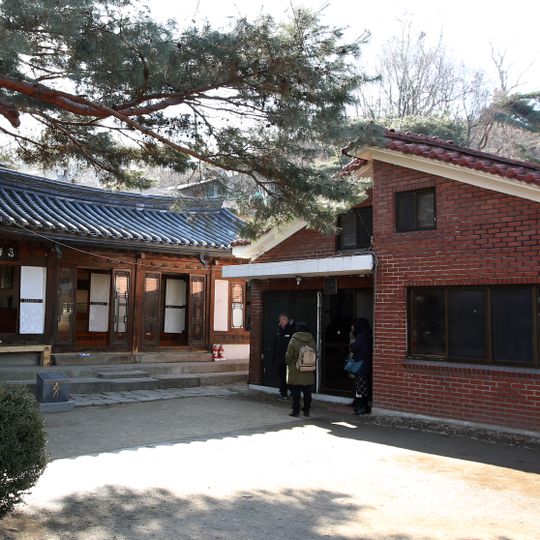
Manhae Han Yongun Simujang, Historic residence in Seongbuk-dong, South Korea
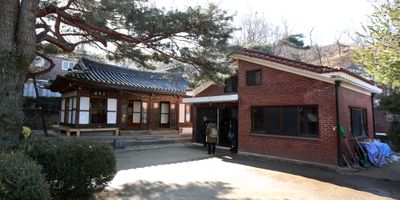
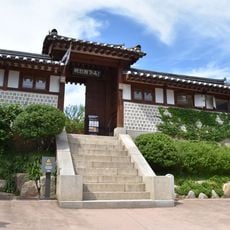
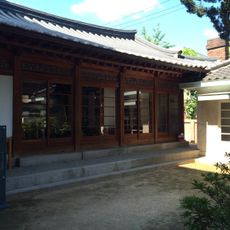
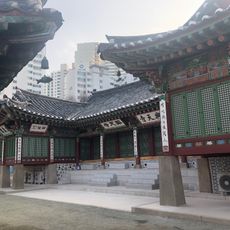
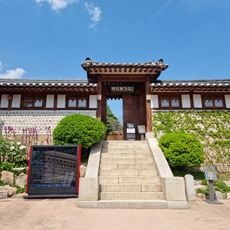
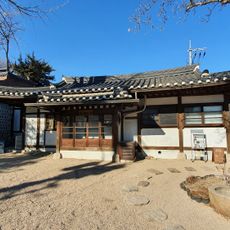
Manhae Han Yongun Simujang is a rectangular residence in Seongbuk-dong featuring four front rooms, two side rooms, and a traditional hip-and-gable roof design oriented northward on a hillside. The layout and construction follow conventional patterns of early 20th-century Korean domestic architecture.
Built in 1933, the residence belonged to Buddhist monk Han Yong-un, who deliberately chose its northern orientation. This directional choice was a response to the Japanese occupation of Korea and reflected his political stance during that period.
The residence displays Han Yong-un's personal artifacts, including his calligraphy, research papers, and documents from his time in prison. These rooms reveal how a Buddhist monk lived while pursuing intellectual and spiritual work.
The house is open daily from 09:00 to 18:00 with free admission for visitors. It is easily accessible by Seoul Metro Line 4, particularly from Hansung University Station.
The name Simujang translates to a metaphorical search for a cow, symbolizing in Buddhist philosophy the journey to discover one's true nature. This poetic concept reflects the spiritual teachings to which the resident dedicated his life.
The community of curious travelers
AroundUs brings together thousands of curated places, local tips, and hidden gems, enriched daily by 92,233 contributors worldwide.