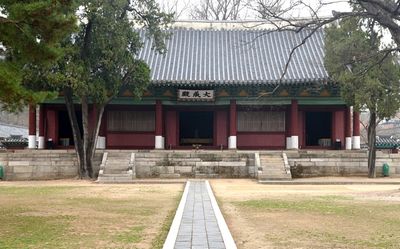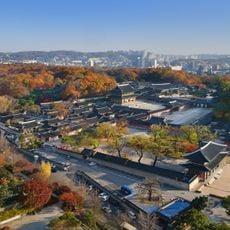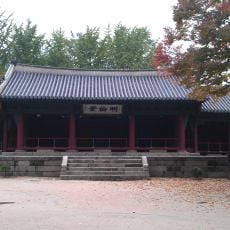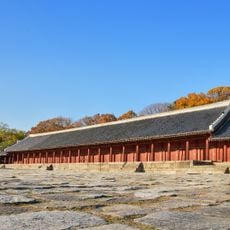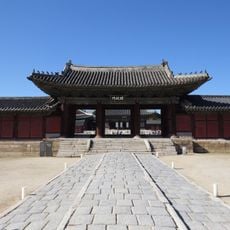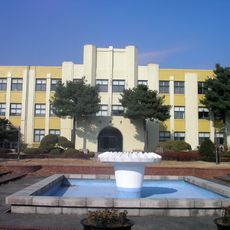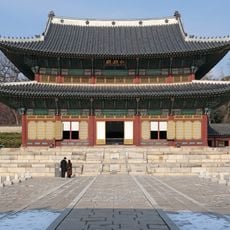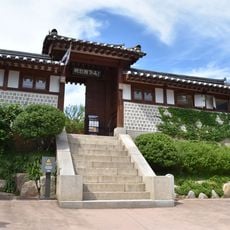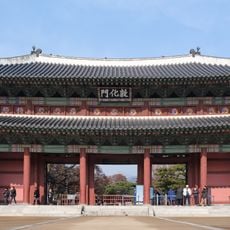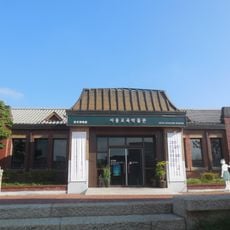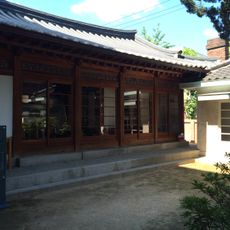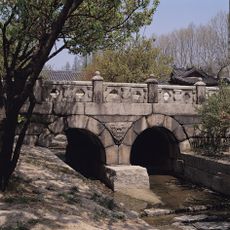
Munmyo, Confucius temple in central Seoul, South Korea.
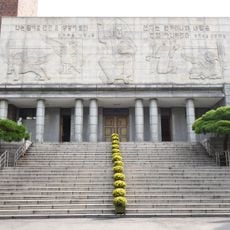
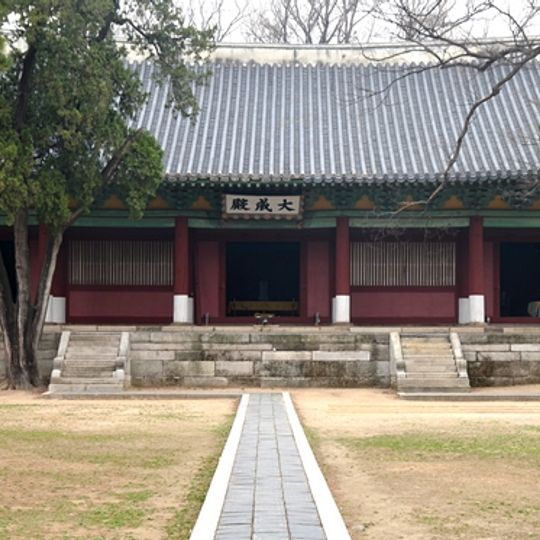
Munmyo is a Confucian temple in downtown Seoul organized around a main hall dedicated to worship, with additional rooms for ceremonies, guest quarters, and a library containing classical texts on its spacious grounds. The layout follows traditional design principles where the central shrine holds the most sacred position and supporting buildings surround it.
The site was founded in 1398 and required major reconstruction after a fire in 1407, with further rebuilding needed following armed conflicts in the 1500s that damaged many Korean buildings. These episodes of destruction and renewal shaped how the temple stands and functions today.
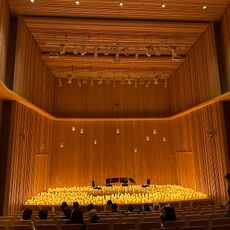
The annual Munmyo jerye, or Seokjeon Daeje, is held each April and September with music and dance. The ritual uses ancient aak music, with musicians from the National Gugak Center playing flutes, zithers, stone chimes, bronze bells, drums, a tiger-shaped scraper, a wooden box and clappers.
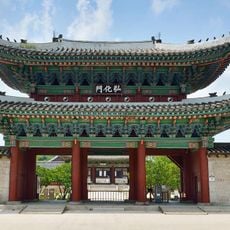
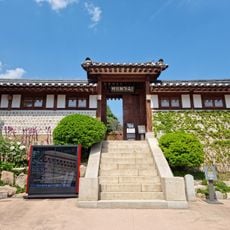
Munmyo stands inside the Sungkyunkwan University gate on the right; the grounds split into the southern Daeseongjeon shrine precinct and the northern Myeongnyundang lecture precinct. Sinsammun and its central path open only for rites such as Seokjeon Daeje, so visitors use the side routes and avoid crossing the central path. The site is Historic Site No. 143.
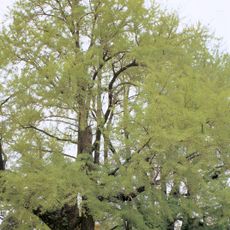
The east and west halls once held tablets for 112 disciples and sages; after liberation, the 18 Korean sages were moved into Daeseongjeon and the remaining 94 tablets were buried. Two juniper trees in the courtyard, named Samgangmok and Oryunmok, stand for the Three Bonds and Five Relations.
The community of curious travelers
AroundUs brings together thousands of curated places, local tips, and hidden gems, enriched daily by 93,471 contributors worldwide.