Bumin-gwan, Performing arts center in Myeong-dong, South Korea
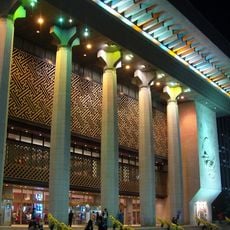
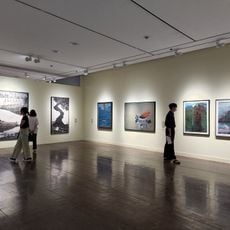
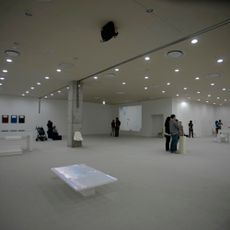
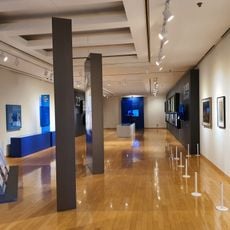
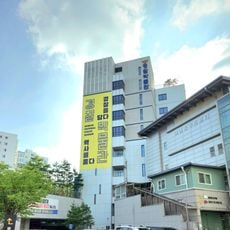
Bumin-gwan is a performance venue with multiple floors in central Seoul, featuring a main theater, exhibition spaces, and several smaller performance halls. The building is designed to accommodate different types of shows and presentations throughout its various rooms.
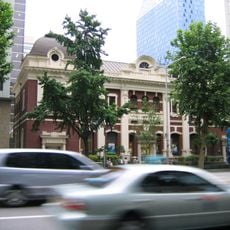
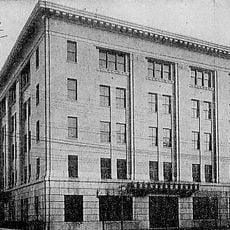
The building was completed in 1935 as a municipal facility and has served the city for nearly a century. It was designated as a registered cultural property in 2002 to preserve its historical significance.
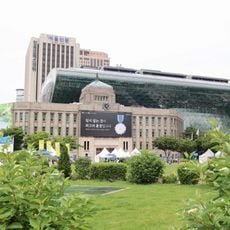
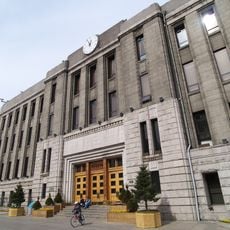
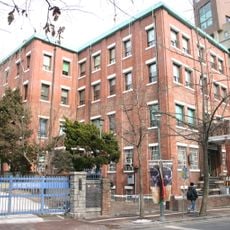
The building's name, Bumin-gwan, means "hall for the府民" — the citizens of Gyeongseong — and it was built as their public cultural venue. Its 2,000-seat main hall hosted Choi Seung-hee's dance performances and the Takarazuka Revue; in 1936 Son Kee-chung reported here on his Berlin Olympic marathon win, and Helen Keller lectured in July 1937. Since 1991 it has housed the Seoul Metropolitan Council.
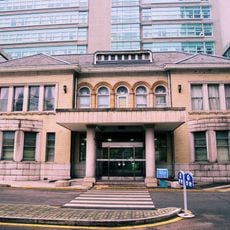
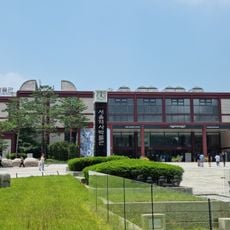
The building stands at 125 Sejong-daero, at the corner of Taepyeong-ro 1-ga in Jung-gu. When Taepyeong-ro was widened in 1980, the original street-facing main entrance was removed and a new entrance was made on the south side, so the facade differs from the 1935 original. Visitors should look for the south-side doorway rather than the old front.
The building's main hall seated about 1,800 people, with a 1,000-seat middle hall and a 160-seat small hall, and the whole building had heating and cooling. On 24 July 1945, independence activists Jo Mun-gi, Yu Man-su and Kang Yun-guk set off dynamite during a pro-Japanese rally here. A stone marker in Jung-gu has commemorated the bombing since 1995.
The community of curious travelers
AroundUs brings together thousands of curated places, local tips, and hidden gems, enriched daily by 93,513 contributors worldwide.