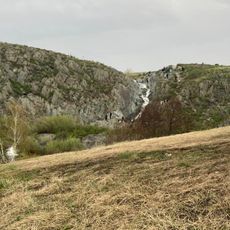
Abat-Baitak, Necropolis in Khobda district, Aktobe region, Kazakhstan
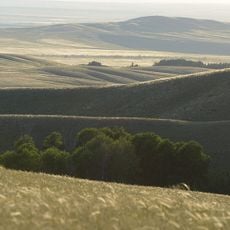
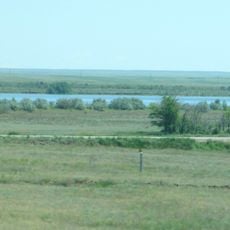
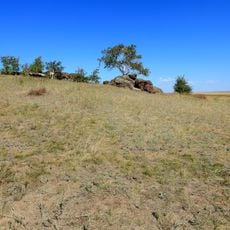
Abat-Baitak is a medieval necropolis scattered across the open steppe landscape of western Kazakhstan with multiple stone mausoleums and burial markers. The structures represent different phases of the region's burial traditions and remain visible across the terrain.
The necropolis dates from the 14th to the early 20th century. The first written mention of the mausoleum comes from 1750, when engineer Alexander Rigelman recorded it near the Karasu river. In 1982 the site was listed as a monument of republican significance, and excavations in 2004 found five burials inside the mausoleum.
The name Abat-Baitak links the site to the batyr Abat, son of the philosopher Asan Kaigy, who according to legend defeated a Kalmyk khan; the epithet "Baitak" means "of the whole people", as the mausoleum was said to be raised in three days. A second legend recorded in the 19th century ties the tomb to the Mongol commander Baitak. The mausoleum is a place of pilgrimage.
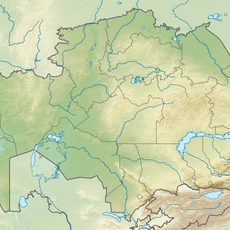
The necropolis lies 12 km south of Taldysay village in the Khobda district of Aktobe region, reached by road across open steppe; there is no public transport, so arrange a vehicle and a local guide. The mausoleum is a pilgrimage site, so dress and behave accordingly and do not touch the carved stelae. Restoration used 32,000 fired bricks, and the surrounding ground is uneven.
The 200-odd carved stone stelae, called kulpytas, west of the mausoleum bear tamgas, clan brands that identify the buried as members of Junior Zhuz lineages such as Tabyn, Kete, Alshyn and Baibakty. Epitaphs are carved in Arabic script in Kazakh. A rare 1893 stele cut from a block of calcareous sandstone stands out from the rest.
The community of curious travelers
AroundUs brings together thousands of curated places, local tips, and hidden gems, enriched daily by 95,305 contributors worldwide.