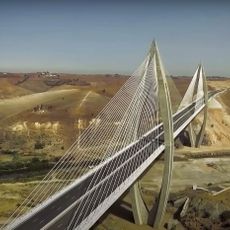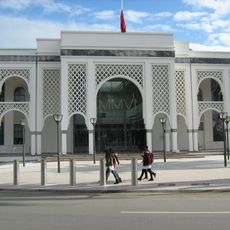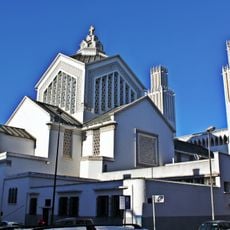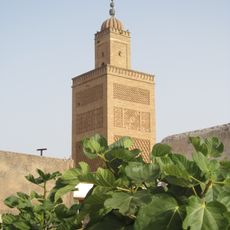
Salé, Ancient fortified port city in northwestern Morocco
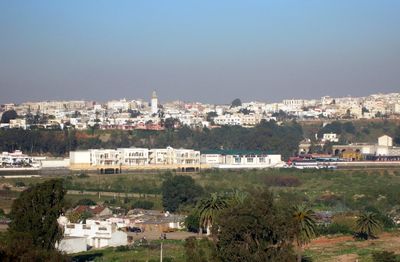
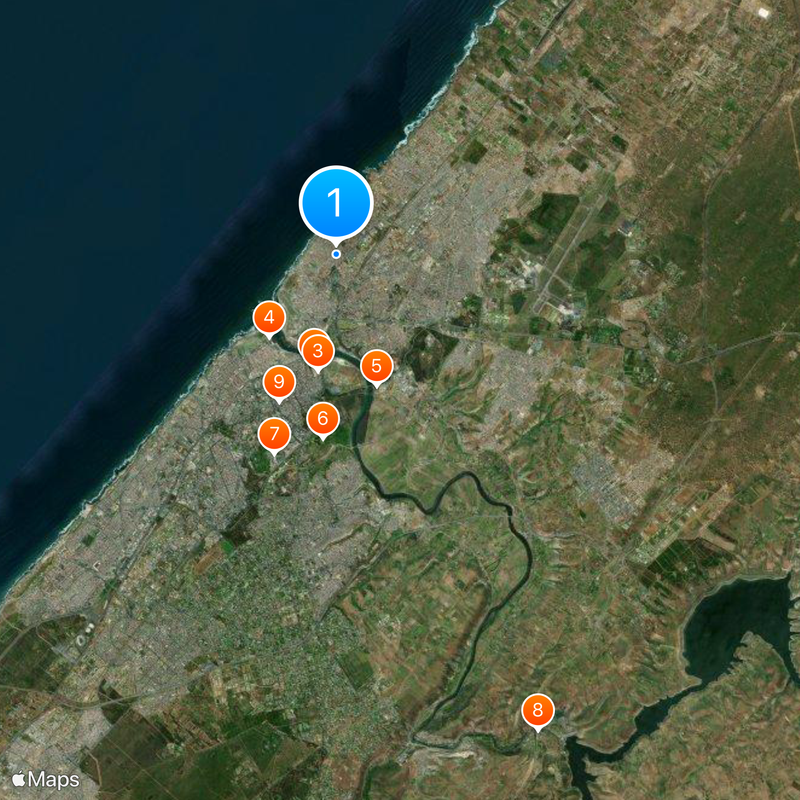
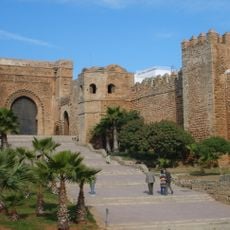
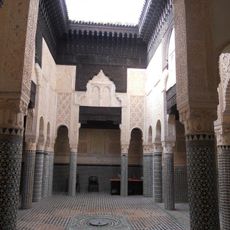
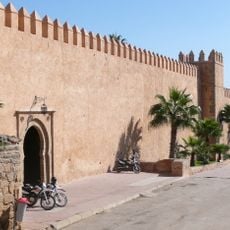
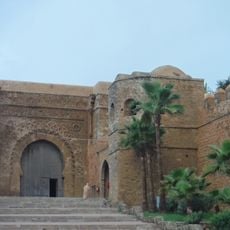
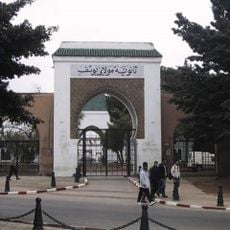
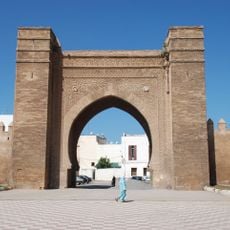
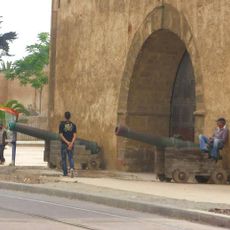
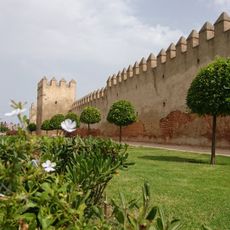
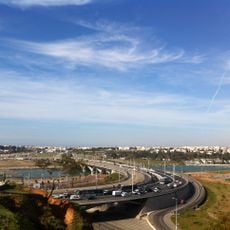
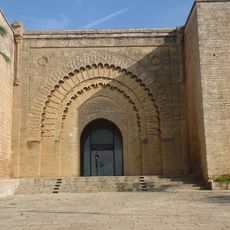
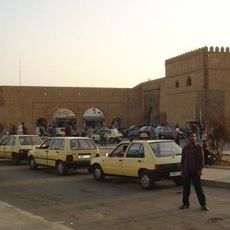
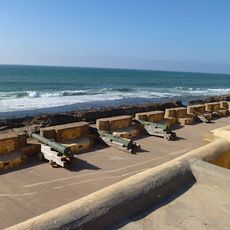
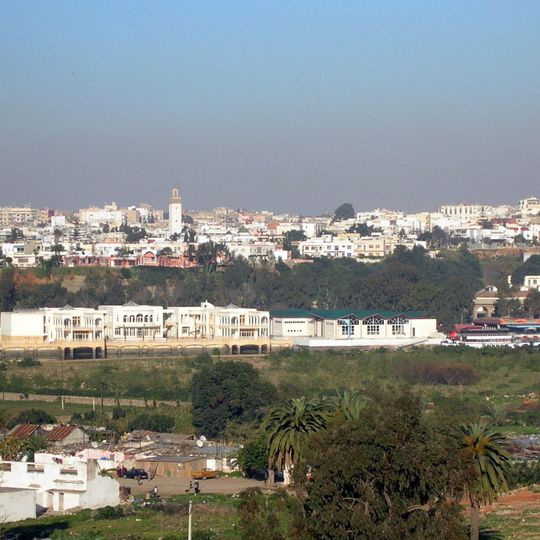
Salé is a city on the Atlantic coast of Morocco that stretches along the right bank of the Bou Regreg River estuary, facing Rabat on the opposite shore. The old town sits on a low hill above the river, surrounded by city walls dating from the 12th century, while newer districts spread inland toward the eastern suburbs.
The settlement began in the 10th century as a fortified trading post under the rule of the Zenata Berber dynasty and grew into a major port during the Almohad era in the 12th century. In the 17th century, Moorish and Andalusian refugees from Spain established the Republic of Bou Regreg, a corsair state that lasted over three decades before returning to Moroccan control.
The name comes from the Berber tribe Beni Ifren who settled here during the early medieval period and practiced fishing and trade. Today, workshops in the old town preserve traditional craft techniques, with weavers and potters often working in the same lanes their ancestors used centuries ago.
A tram line connects both river banks and stops at the medina entrance, making it easy to explore the center on foot. Most shops and restaurants are found within the old walls or in nearby residential neighborhoods north of the river.
A large cemetery outside the northern wall contains graves reaching back to the 13th century, including elaborately carved tombstones with calligraphic inscriptions. At the small market near the river, fishermen sell sole and sea bass caught just offshore every early morning.
The community of curious travelers
AroundUs brings together thousands of curated places, local tips, and hidden gems, enriched daily by 90,828 contributors worldwide.