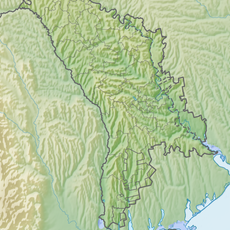
Moldavian Plateau, Geological formation in Eastern Romania, Moldova and Ukraine.
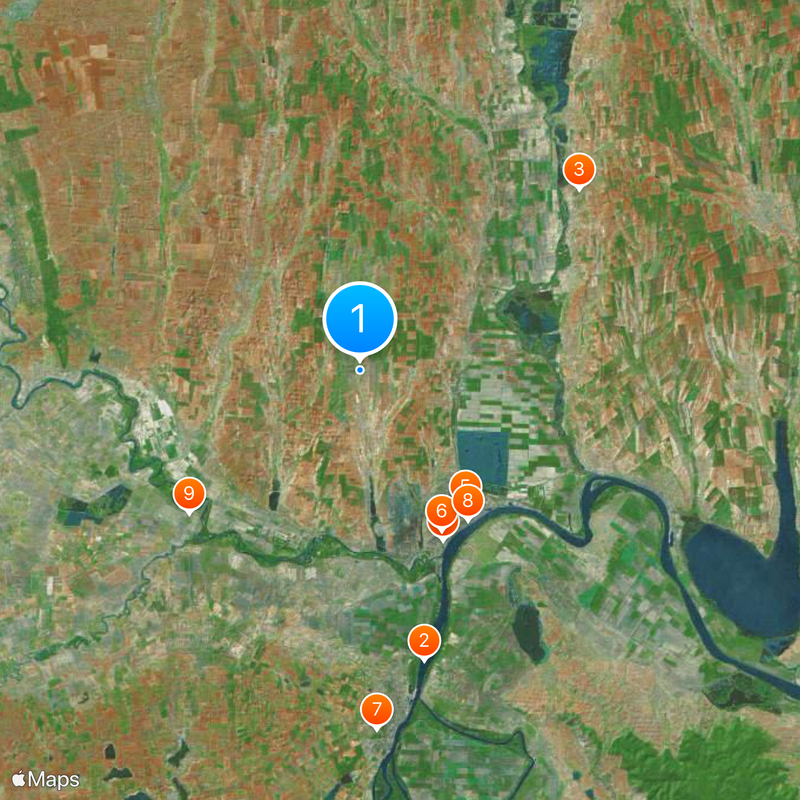
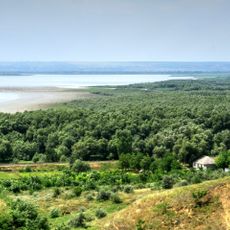
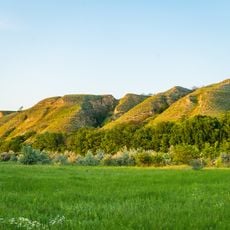
The Moldavian Plateau spans three countries with rock formations of limestone and sandstone rising between 200 and 700 meters (650-2,300 feet) above sea level. Rivers flowing from the Carpathians have carved deep valleys that give the landscape a rolling, uneven appearance.
The plateau formed two-thirds of the medieval Principality of Moldavia, a region caught between the Carpathian Mountains and the Black Sea for centuries. This location at a crossroads shaped both its conflicts and its connections to neighboring lands.
Wine-making traditions shape how people live and work across the plateau, with vineyards and cellars forming the heart of many villages. Families pass down knowledge of grape cultivation, making the landscape a living record of agricultural heritage.
The best way to explore this region is to take time for the various routes, as the rolling landscape means distances between villages can be deceptive. Prepare for varying elevations and weather changes as you travel across the plateau.
The valleys carved into this plateau are asymmetrical because rivers deposit sediments differently as they flow down from the Carpathians, creating an irregular pattern. Over time, these deposits solidified into distinct rock layers that shaped the terrain you see today.
The community of curious travelers
AroundUs brings together thousands of curated places, local tips, and hidden gems, enriched daily by 60,000 contributors worldwide.