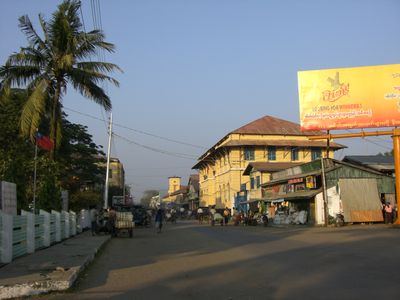
Sittwe, Port city in western Myanmar
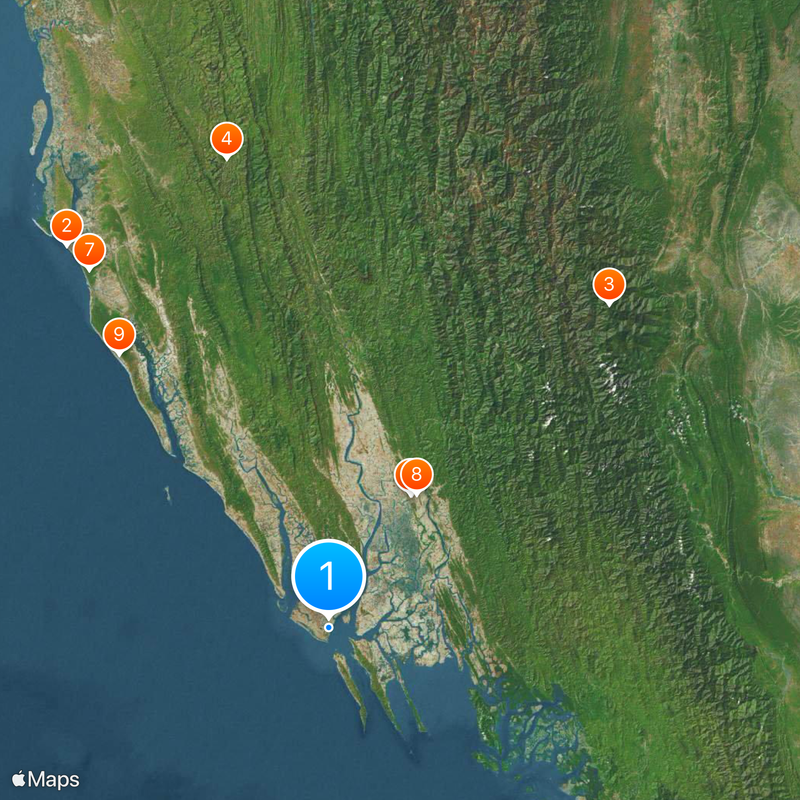
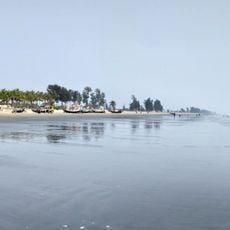
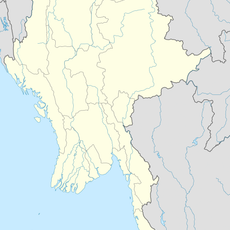
Sittwe sits where the Kaladan, Mayu, and Lay Mro rivers meet, forming an estuarine island that reaches into the Bay of Bengal. The city functions as a major port on Myanmar's western coast, linking the region to the Indian Ocean.
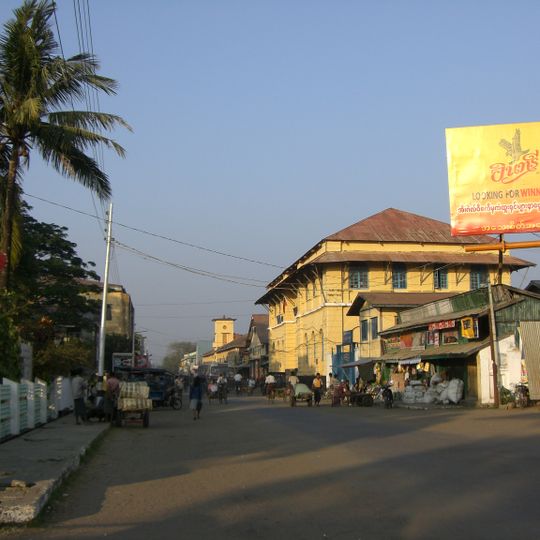
The British transformed the city from a small fishing village into a major naval base for rice exports following the First Anglo-Burmese War in 1825. Colonial control shaped the port infrastructure that remains the foundation of the city's importance today.
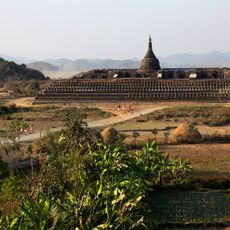
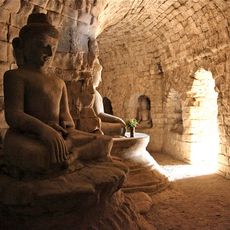
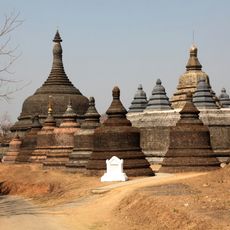
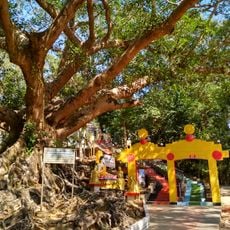
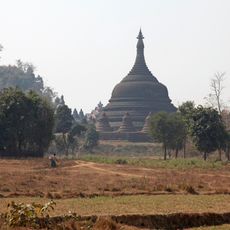
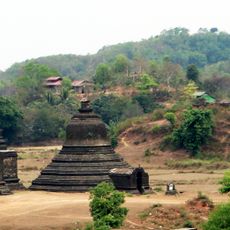
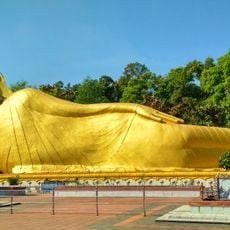
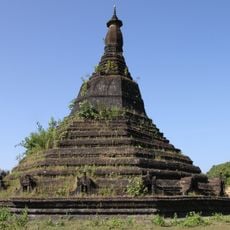
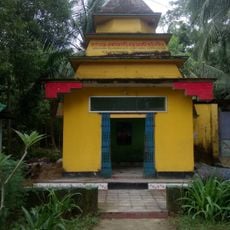
The city is home to the Shwezedi Monastery, connected to the spiritual teacher U Ottama, while the Lawkananda Pagoda serves as a central Buddhist shrine. These places show how deeply Buddhism shapes the daily life and identity of local people.
The city connects to northeastern India through the Kaladan Multi-Modal Transit Transport Project, enabling trade between the two nations via water routes. Visitors should expect to explore the port and river areas, and local water taxis can help navigate the waterways.
The British writer Hector Hugh Munro, known by his pen name Saki, was born here when the city was called Akyab during colonial times. Saki later became one of the most celebrated short-story writers in English literature.
The community of curious travelers
AroundUs brings together thousands of curated places, local tips, and hidden gems, enriched daily by 91,701 contributors worldwide.