Outer Mongolia, Historical territory in Northern Asia
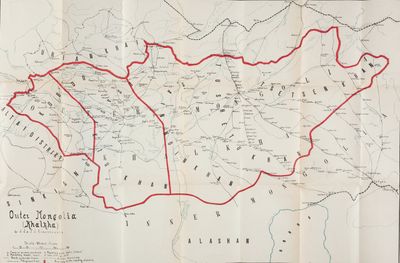
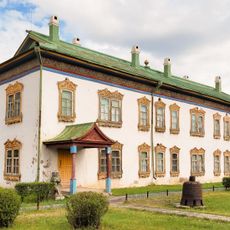
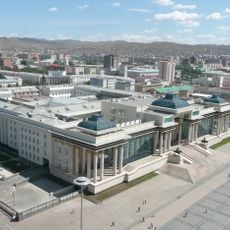
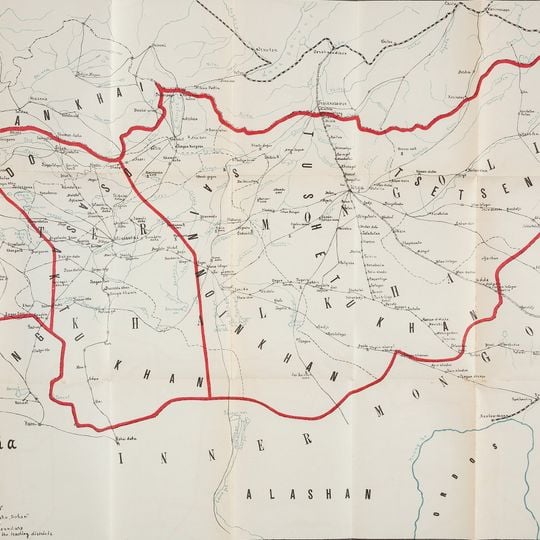
Outer Mongolia is a historical territory in Northern Asia that stretches across wide steppes, mountain ranges and desert landscapes. The land sits between Russia to the north and the People's Republic of China to the south, covering vast open spaces with sparse vegetation.
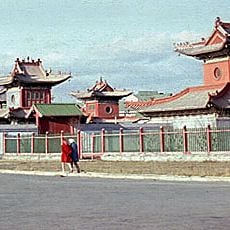
The area broke away from the Qing dynasty in 1911 and declared independence under religious and secular leadership. The founding of the Mongolian People's Republic followed in 1924 after political shifts and marked the transition to a new state system.
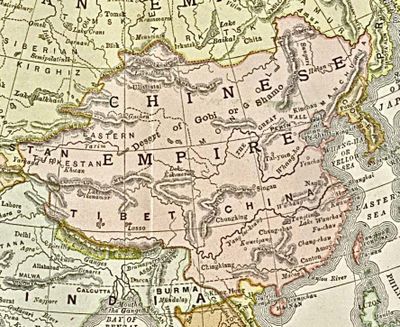
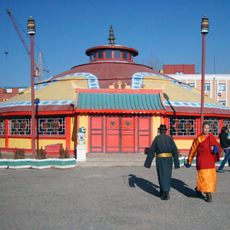
The name comes from Western descriptions that distinguished the area from Chinese spheres, while today it is known simply as Mongolia. Visitors still see round felt tents on the grasslands and meet herders who shape their days around the migration routes of their animals.
Temperatures swing between very cold winters and warm summers, so travelers should bring clothing for both extremes. The terrain can be remote, so it's wise to plan for supplies and water, especially outside the capital.
The desert regions hold numerous sites with dinosaur fossils that researchers continue to excavate and study. Some of these sites remain unexplored and may hold further prehistoric discoveries.
The community of curious travelers
AroundUs brings together thousands of curated places, local tips, and hidden gems, enriched daily by 92,677 contributors worldwide.