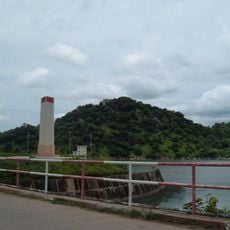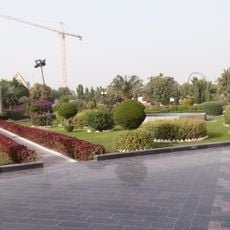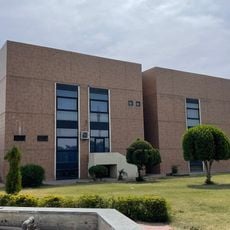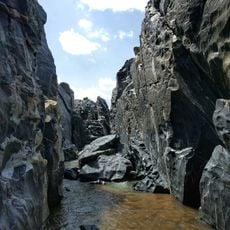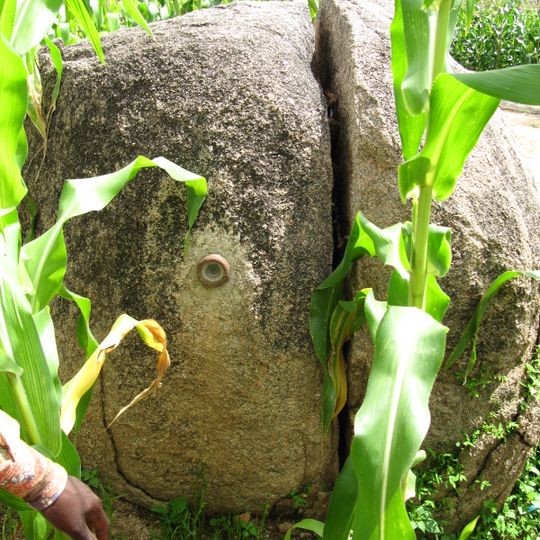
Cameroon–Nigeria border, international border
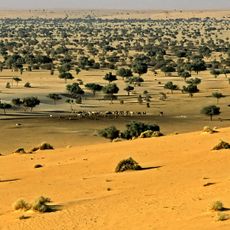
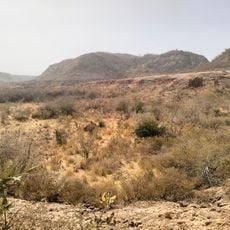
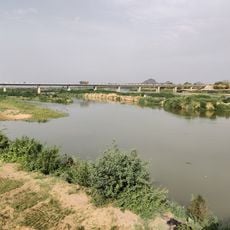
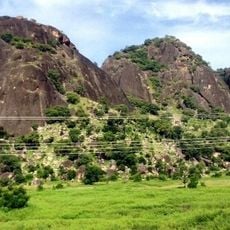
The Cameroon-Nigeria boundary is a land border that stretches nearly 2000 kilometers, starting where three countries meet near Lake Chad. It runs southward through the lake and then follows rivers and land in an irregular line, passing through varied terrain including small rivers, hills, and mountain ranges.
The boundary was established during the colonial period when European countries divided Africa for their own interests. Britain controlled areas around Lagos and the oil-rich Oil River Protectorate, while Germany claimed Cameroon in the late 1800s.
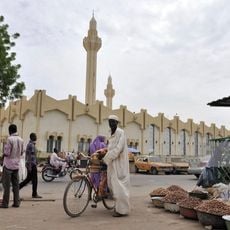
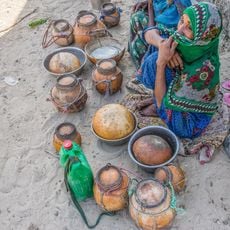
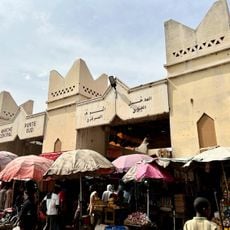
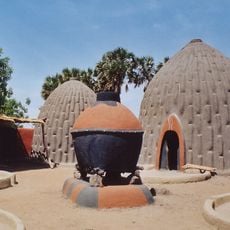
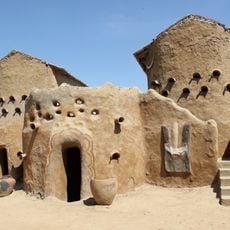
The boundary is a living space where residents maintain relationships and traditions that cross political lines. Market days bring traders exchanging goods such as food, clothes, and handicrafts in lively exchanges between communities.
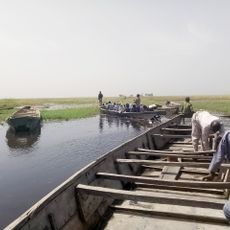
It is important to have required documents in hand and check conditions before crossing at any point. Travelers should verify whether visas can be applied for online beforehand and explore available transport options such as small boats or ferries that operate along water routes.
A remarkable aspect is the 1961 plebiscite in which Northern Cameroons chose to join Nigeria, while Southern Cameroon joined Cameroon, shaping the boundary as it exists today. This vote remains a reference point for understanding the identity of people living in the border region.
The community of curious travelers
AroundUs brings together thousands of curated places, local tips, and hidden gems, enriched daily by 90,799 contributors worldwide.