Southeast Nigeria, Cultural region in Nigeria
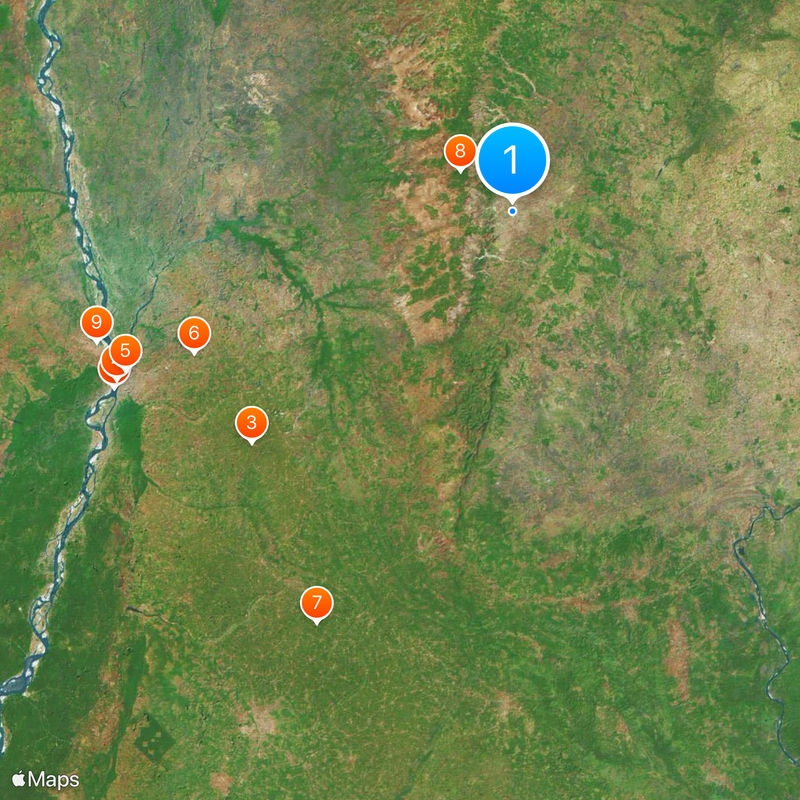
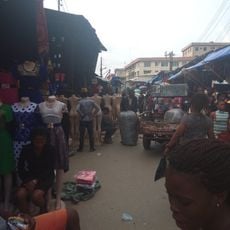
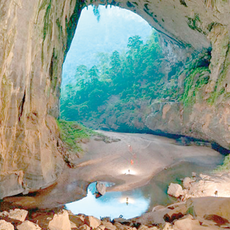
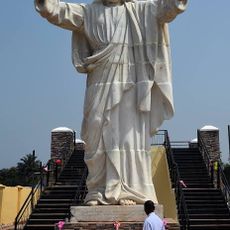
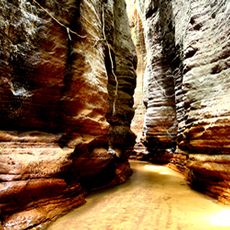
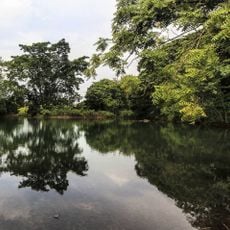
Southeast Nigeria forms a connected zone of five states with tropical forests, rolling hills and wide plains. The area stretches from the Niger River in the west to the Cameroonian border in the east and includes numerous towns and rural communities.
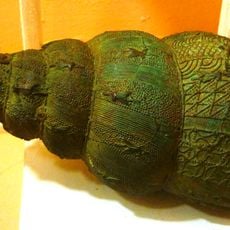
Before colonial arrival, independent kingdoms and trade networks developed throughout the area. The Nri Kingdom emerged around the tenth century and shaped religious and political structures for hundreds of years.
The Igbo language connects millions of people in daily conversation, commerce and local gatherings throughout the area. Many traditional titles and leadership structures remain active today and continue to shape social life in villages and cities across the region.
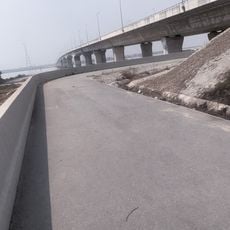
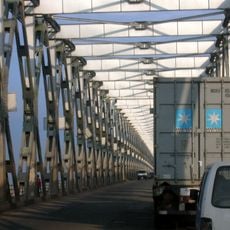
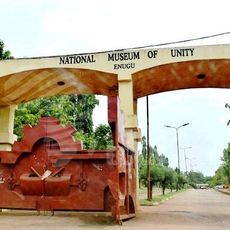
Travelers find a network of roads connecting major cities like Enugu, Aba and Onitsha with smaller towns. The rainy season typically runs from April to October, and roads can become slippery and more difficult to travel during this period.
Coal deposits near Enugu were discovered in the early twentieth century and led to the construction of the first railway lines in this part of the country. Mining activities attracted workers from different areas and shaped the early industrial development of the region.
The community of curious travelers
AroundUs brings together thousands of curated places, local tips, and hidden gems, enriched daily by 92,358 contributors worldwide.