Hooglanderveen, farm village in the Netherlands
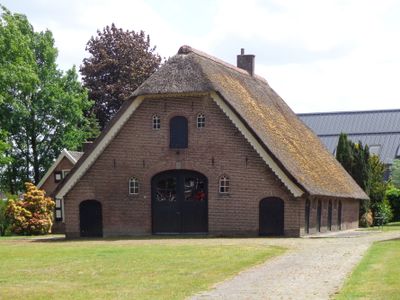
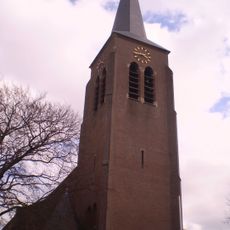
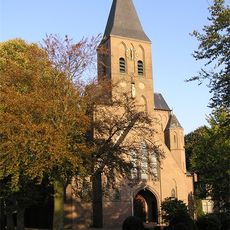
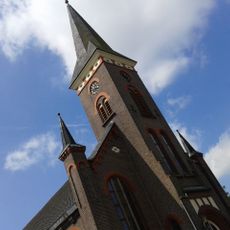
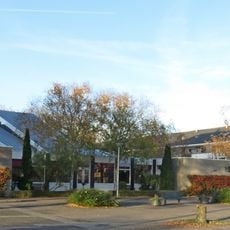
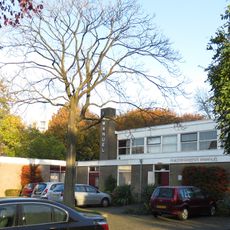
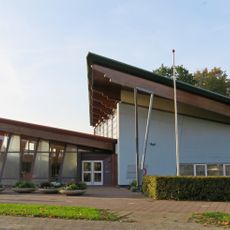
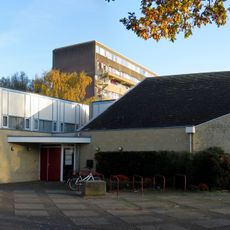
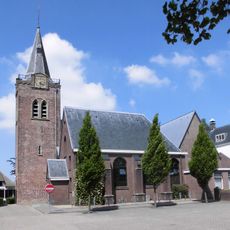
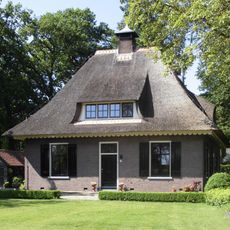
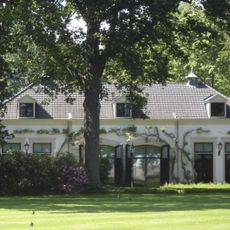
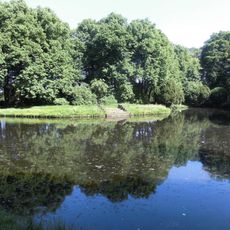
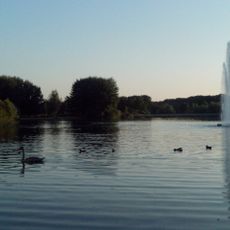
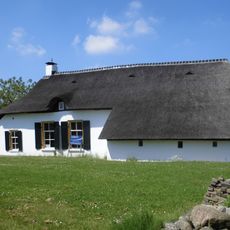
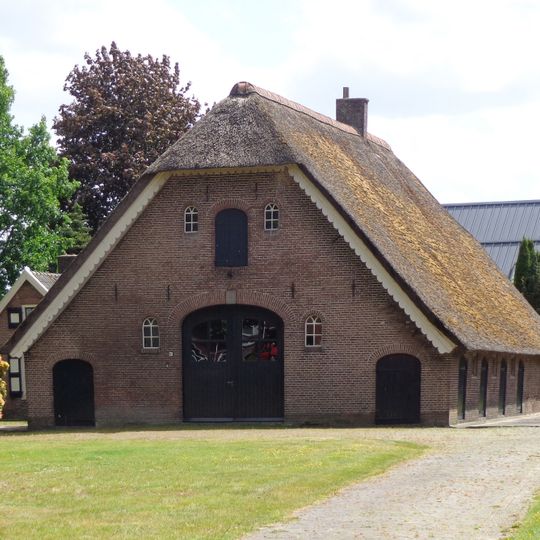
Hooglanderveen is a small village near Amersfoort in the Netherlands that developed gradually from peat and wetland into farmland and residential areas. The settlement consists of scattered farms and houses along the main street, surrounded by green fields and gentle hills, with the distinctive Sint-Josephkerk serving as a local landmark since 1918.
The village has roots around the year 1000, when farmers began using the peat areas for sheep herding and extracting peat and wood for fuel and building materials. Over centuries, wetlands were gradually transformed into farmland through drainage and soil improvement methods, with an organized group of 15 farmers (malenhoeven) managing the land from around 1130, and a railway line connecting the village to Amersfoort in 1863.
The name Hooglanderveen reflects its origins in the nearby highland and peat soil character. Residents gather regularly at the community center De Neng, where they share stories, review historical documents, and maintain connections to both the village's past and present through everyday social interaction.
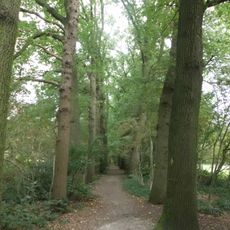
The village is easily reached from Amersfoort, with Van Tuyllstraat serving as the main shopping and residential street where local shops and facilities are located. The area is suitable for walks through the surrounding farmland, with the Sint-Josephkerk providing a clear orientation point and remnants of the former railway line offering insights into the village's historical transport connections.
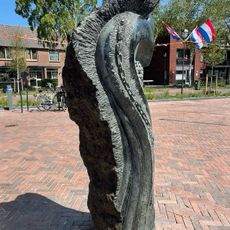
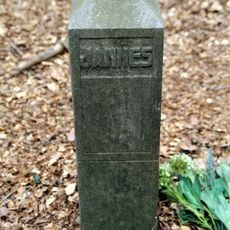
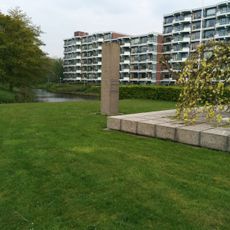
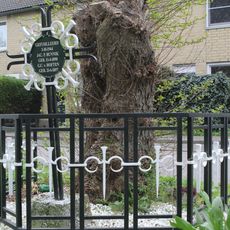
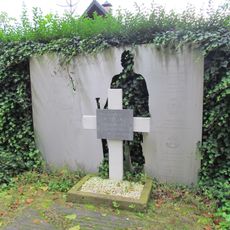
The village witnessed tragic events during World War II, when a train explosion in 1944 killed several residents and further bombings in 1945 caused damage and casualties. The community honors these war victims through a memorial in the village displaying their names, keeping the memory of this period alive.
The community of curious travelers
AroundUs brings together thousands of curated places, local tips, and hidden gems, enriched daily by 60,000 contributors worldwide.