Veenhuizen, Penal colony village in Noordenveld, Netherlands.
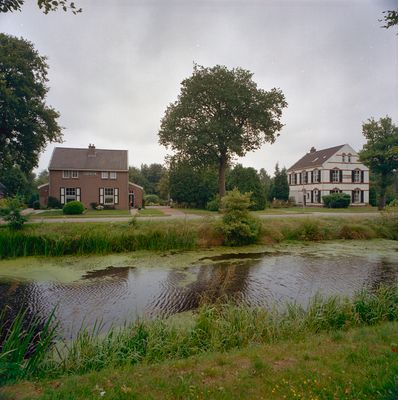
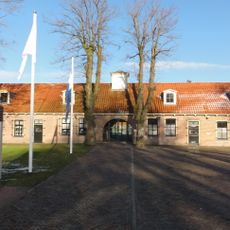
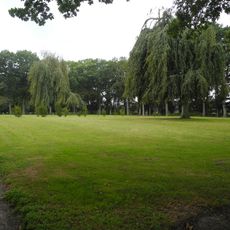
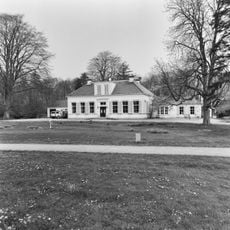
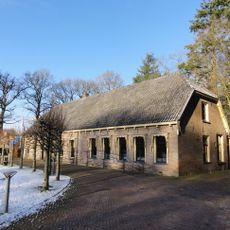
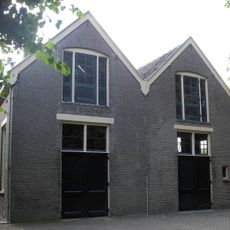
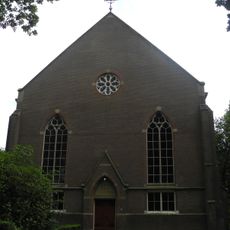
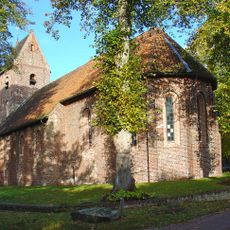
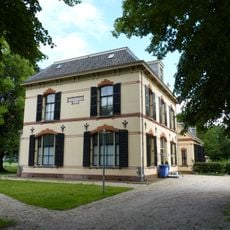
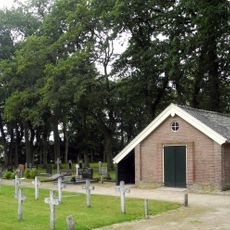
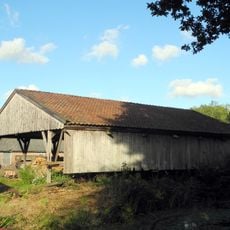
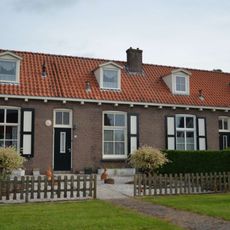
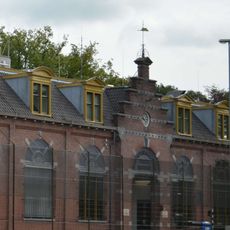
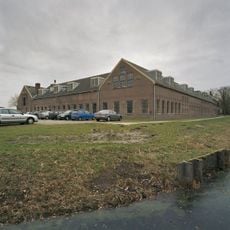
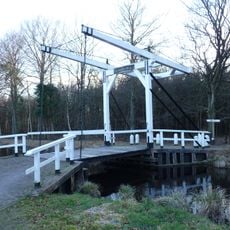
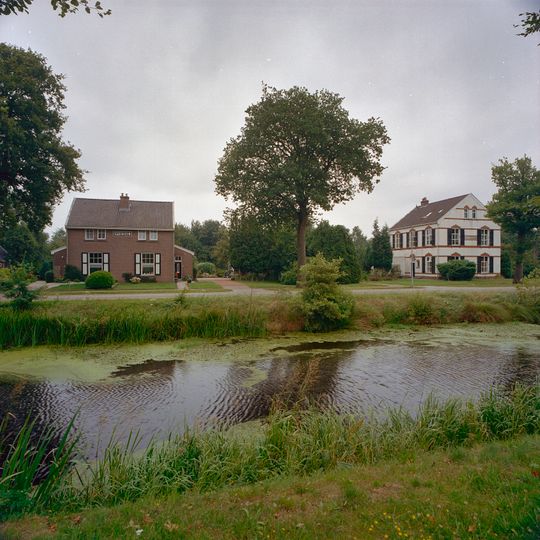
Veenhuizen is a village laid out in a planned grid pattern of roads that run through farmland and historic buildings. The arrangement follows a systematic design with former prison structures, staff housing, and agricultural zones that still reveal the colony's original purpose.
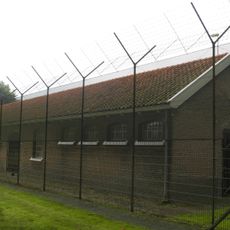
The village was founded in the early 1800s by the Society of Benevolence as a reform colony for the poor. It later evolved into a prison facility and is now part of a UNESCO World Heritage site representing Dutch experiments in social welfare.
The village was born from an experiment in social reform, and this history shapes how it looks and feels today. The layout and buildings reflect attempts to support people through organized work and structured living.
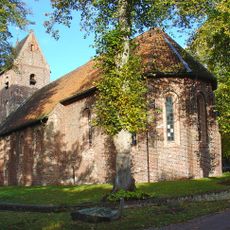
The village is best explored on foot, as its planned layout makes navigation straightforward. The National Prison Museum provides insights into the site's history, and the former prison buildings can be viewed from the outside.
The village was carefully designed as a spatial experiment, with each part playing a role in the reform concept. This precision in planning makes it a rare example of how social reform was literally built into the landscape.
The community of curious travelers
AroundUs brings together thousands of curated places, local tips, and hidden gems, enriched daily by 92,365 contributors worldwide.