Guihulngan, city of the Philippines in the province of Negros Oriental
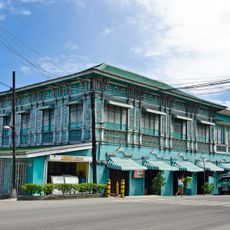
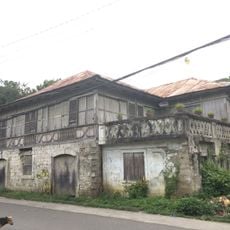
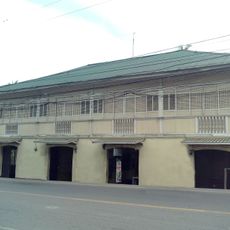
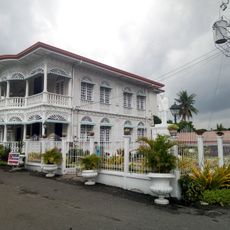
Guihulngan is a component city in the northern part of Negros Oriental with roughly 95,000 residents spread across 33 barangays. The city mixes farming areas with small residential communities and local shops, featuring simple houses made of wood or concrete and streets lined with markets and stores.
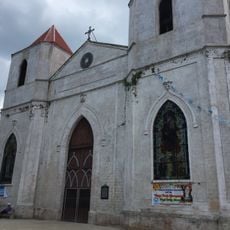
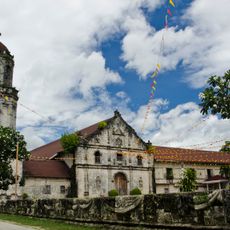
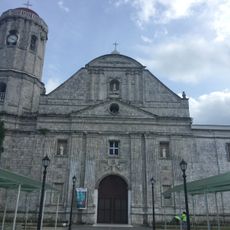
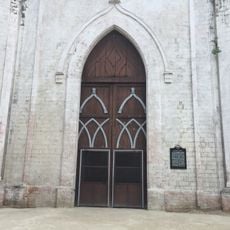
The city started as a Catholic mission in the 1800s, with its first church built in 1856. Guihulngan became a city in 2007, lost that status later that year, but regained cityhood in 2009 and has since grown into an important trading port in the north.
The name Guihulngan comes from a legend about a bell dropped into the sea or a river ending at this point. The community keeps these stories alive through annual festivals, local markets with handmade crafts, and fishing traditions that shape daily life.
Most visitors travel from Dumaguete City, roughly 130 km away, taking about three hours by bus or van. Cash is the common payment method in shops and restaurants, so carrying small bills when you go out makes daily transactions easier.
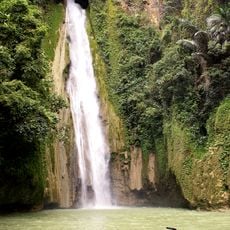
Visitors find a large bell and a carved water buffalo statue near the Justice Hall, honoring the heritage of the legend about the bell dropped into the sea. Nearby natural sights like Hinakpan Hills, lakes, and caves offer walks and exploration without traveling far from town.
The community of curious travelers
AroundUs brings together thousands of curated places, local tips, and hidden gems, enriched daily by 91,295 contributors worldwide.