Praga, Urban district in eastern Warsaw, Poland
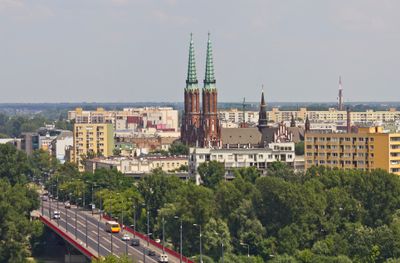
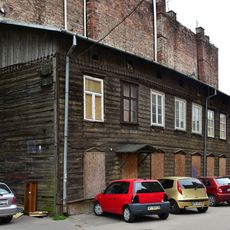
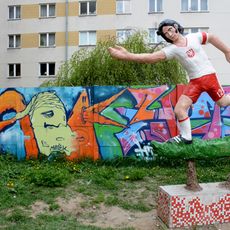
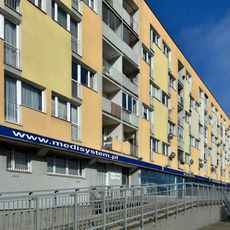
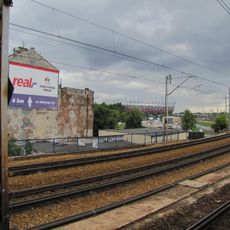
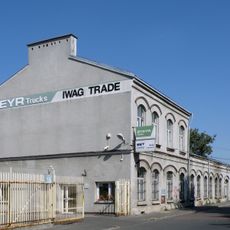
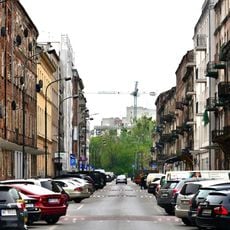
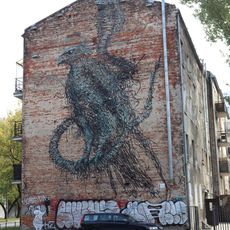
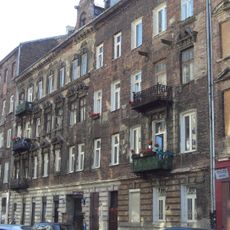
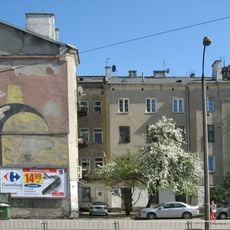
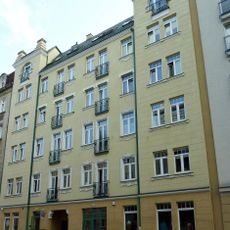
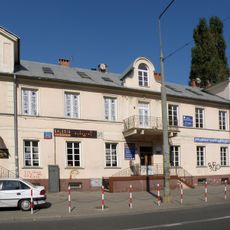
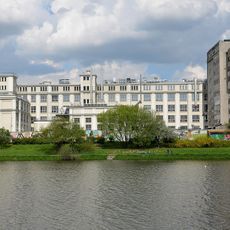
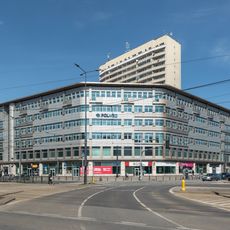
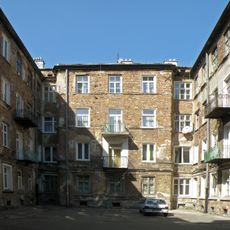
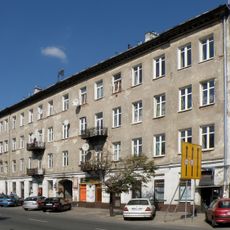
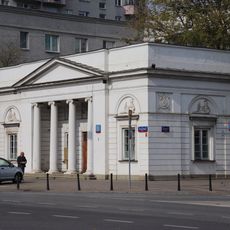
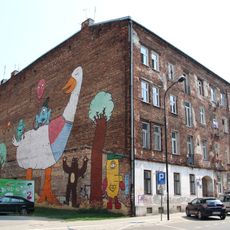
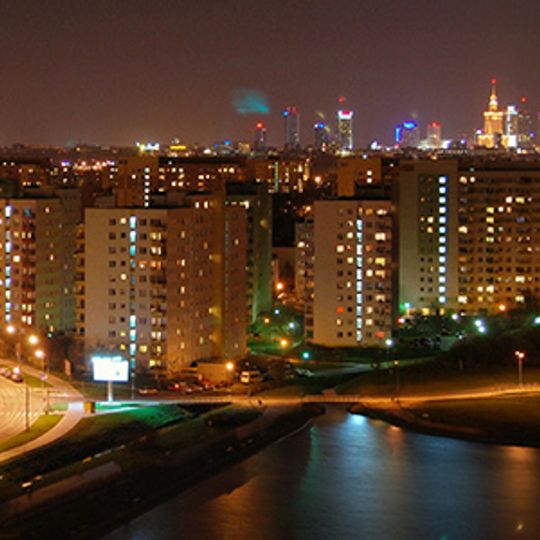
Praga is an urban district on the east bank of the Vistula River featuring a mix of pre-war structures, 19th-century tenement buildings, and later additions that create a varied urban landscape. The neighborhood has an uneven appearance where older brick buildings stand next to newer structures, and streets show gradual transformation across the area.
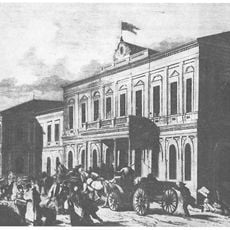
The district developed as an independent town before being incorporated into Warsaw in 1791 by King Stanislaw August Poniatowski due to its growing strategic importance. This merger shaped its development and tied its future to the capital.
The neighborhood preserves memories of craftsmanship and working-class traditions that remain visible in its streets today. Residents and visitors use these spaces to honor the industrial past while creating new cultural projects.
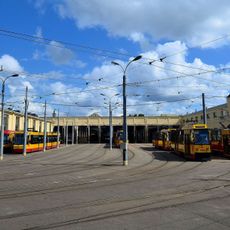
The M2 metro line connects the district with central Warsaw through multiple stations, while buses and trams serve the area. Visitors can walk through different parts of the neighborhood since it is relatively compact.
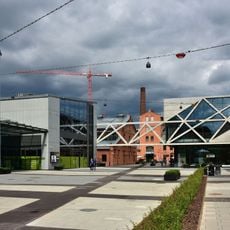
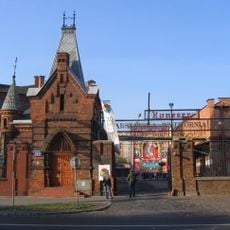
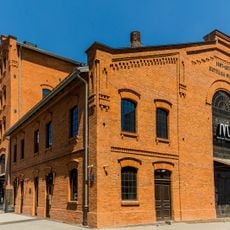
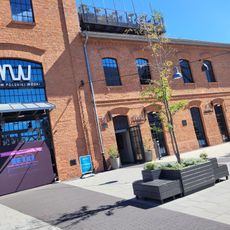
Centrum Praskie Koneser, a former vodka distillery, now houses a vodka museum, restaurants, and exhibition spaces within its industrial brick buildings. The site shows how the area preserves its industrial past while serving new purposes.
The community of curious travelers
AroundUs brings together thousands of curated places, local tips, and hidden gems, enriched daily by 92,654 contributors worldwide.