Podgórze, District on the southern bank of Vistula River in Kraków, Poland
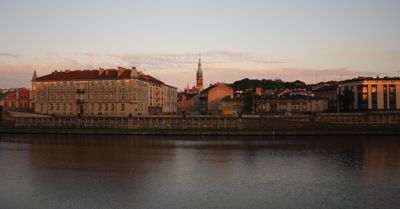
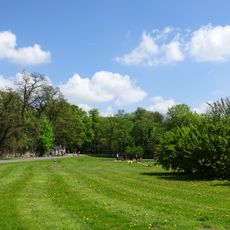
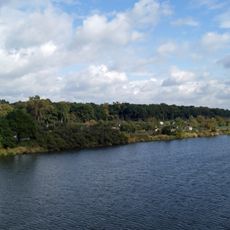
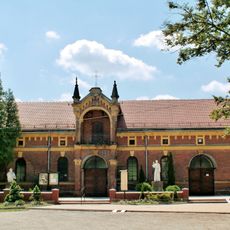
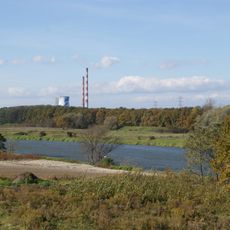
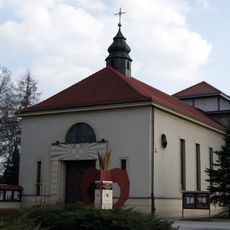
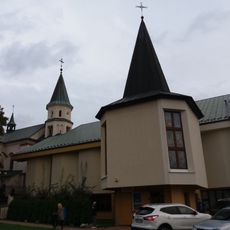
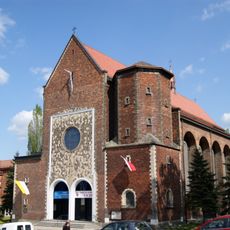
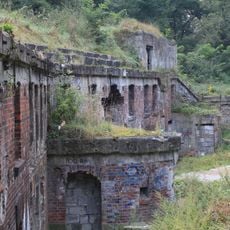
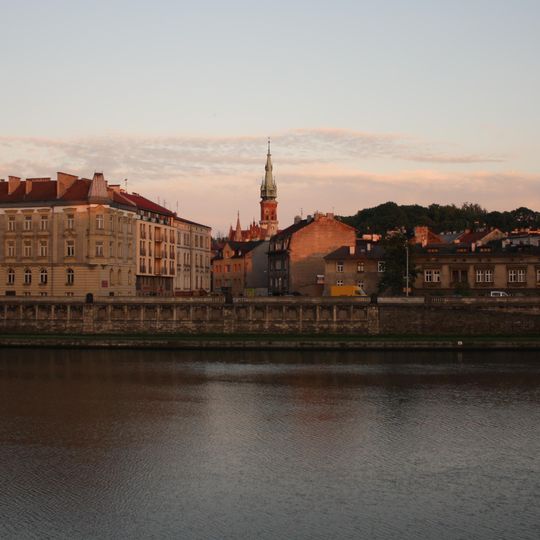
Podgórze is a district on the southern bank of the Vistula River in Kraków, built across limestone hills and wooded ridges. At its center stands a triangular market square with St. Joseph's Church, and the area also contains the Schindler Factory Museum and several contemporary art spaces.
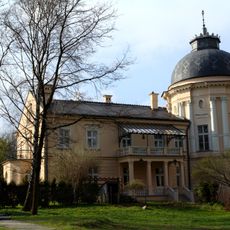
The area was granted city rights in 1784 by Emperor Joseph II under the name Josefstadt and remained an independent town for over a century. It was absorbed into Kraków in 1915, and much of what stands today reflects the Austro-Hungarian period of its development.
The triangular market square at the heart of the district still functions as a gathering place, lined with cafes and small shops around St. Joseph's Church. Old factory buildings have been converted into art galleries and studios, giving the area a character shaped by its industrial past.
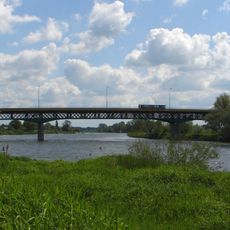
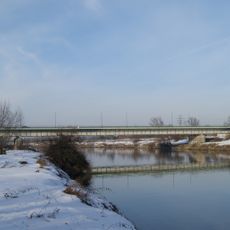
The district is easy to reach from central Kraków on foot via the Bernatek pedestrian footbridge, which crosses the Vistula directly. The terrain rises toward the hills, so comfortable shoes are helpful, especially if you plan to explore the upper parts of the neighborhood.
The Krakus Mound, a prehistoric earthwork on the edge of the district, is one of the oldest human-made mounds in Poland, and its exact age remains unknown. It can be reached on foot in just a few minutes from the surrounding streets and offers an open view over the whole city from the top.
The community of curious travelers
AroundUs brings together thousands of curated places, local tips, and hidden gems, enriched daily by 92,765 contributors worldwide.