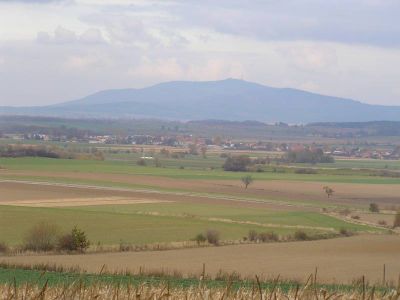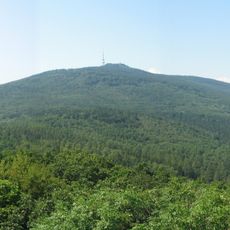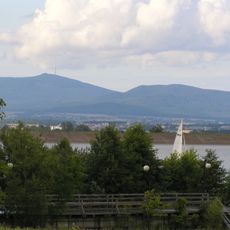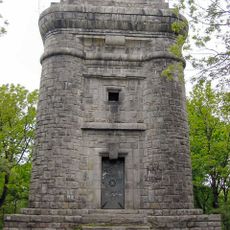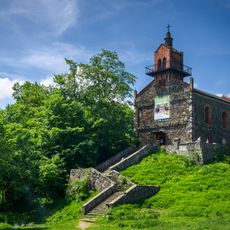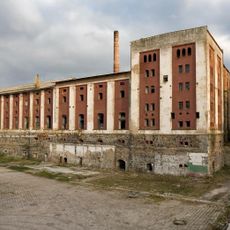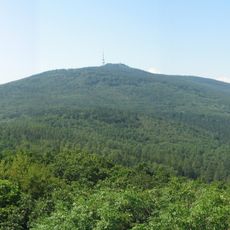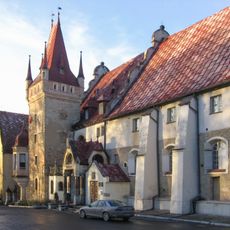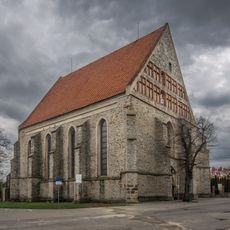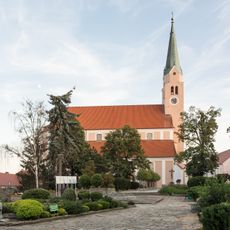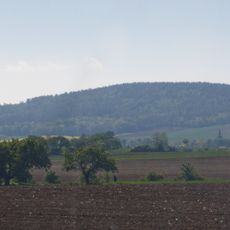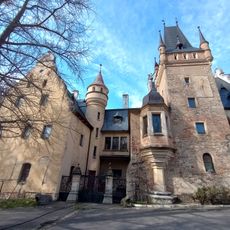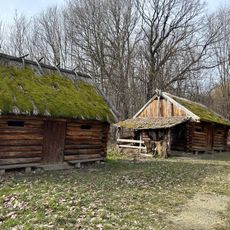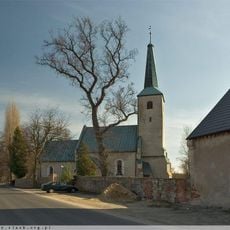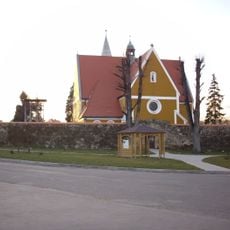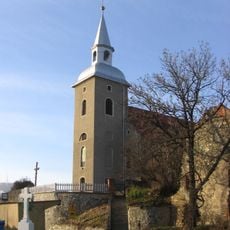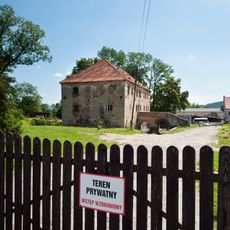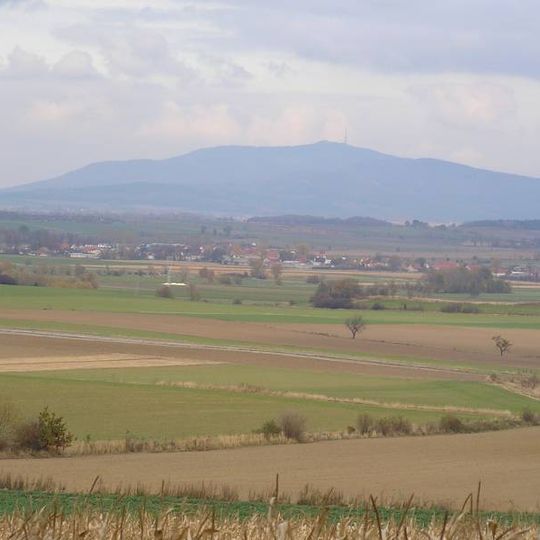
Ślęża Masiff, Granite and gabbro hills near Sobótka, Poland
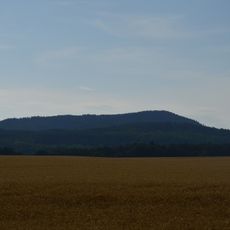
The Ślęża Massif is a granite and gabbro mountain range in southwestern Poland with multiple peaks rising above the surrounding terrain. Its highest point reaches about 718 meters and dominates the region's landscape.
Humans settled on the slopes during the Stone Age and held religious ceremonies there. These early settlements left archaeological remains that reveal the long history of human use in this place.
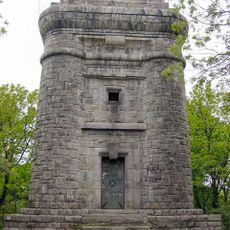
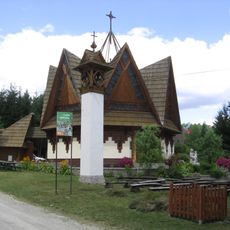
The massif holds stone sculptures and crosses that reveal how beliefs shifted from pagan to Christian practices over centuries. Visitors can still encounter these religious markers scattered across the landscape today.
Two marked hiking trails with Silesian bear symbols guide visitors through the natural landscape, connecting natural attractions with historical monuments. Sturdy footwear and appropriate gear help navigate the uneven terrain comfortably.
The massif formed millions of years ago through volcanic activity that created its present granite and gabbro structure. This geological past makes it a valuable site for understanding how the earth's crust developed.
The community of curious travelers
AroundUs brings together thousands of curated places, local tips, and hidden gems, enriched daily by 92,780 contributors worldwide.