Mehirs of Lavajo, Archaeological site in Alcoutim, Portugal.
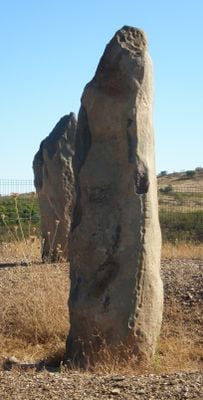
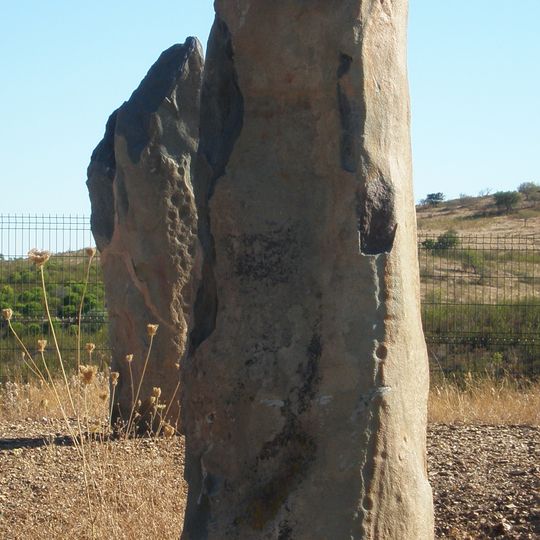
The Mehirs of Lavajo form a complex of three standing stones on a hilltop, with the largest reaching approximately 3 meters tall. The site sits at about 155 meters elevation and displays characteristics of prehistoric stone placement in this region.
Excavations in the 1990s uncovered fragments of multiple stones from the Late Neolithic period, dating between 3500 and 2800 BCE. These findings suggest the place served as an important location for social or religious gatherings during this prehistoric era.
The largest stone displays carved circles and geometric patterns along a groove on its dark grey surface. These decorations offer insight into the artistic techniques and spiritual beliefs of the prehistoric people who created this place.
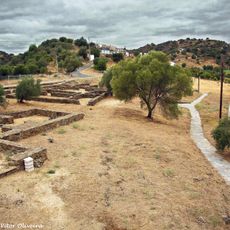
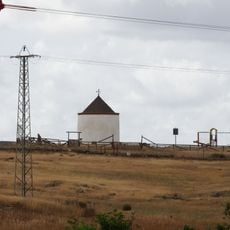
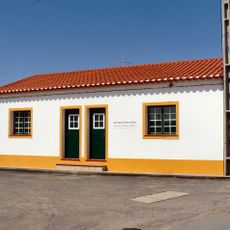
The archaeological site is fenced and includes a dedicated parking area along with a walking path for visiting. Information and guided tours are available through the Alcoutim municipality.
The largest monolith, known as Lavajo I, has an elliptical cross-section and served as a territorial boundary marker for prehistoric farming communities. This unusual shape distinguishes it from typical menhirs and points to specific ceremonial purposes.
The community of curious travelers
AroundUs brings together thousands of curated places, local tips, and hidden gems, enriched daily by 92,526 contributors worldwide.