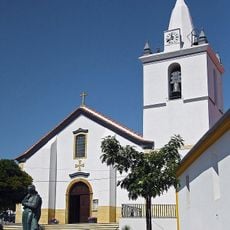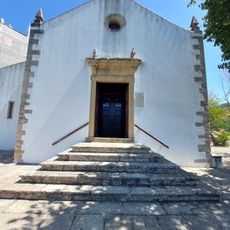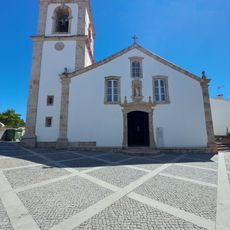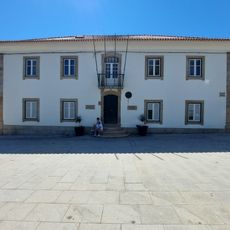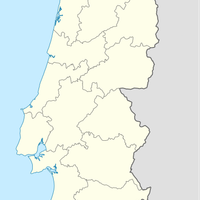
Sertã, municipality in Castelo Branco, Portugal
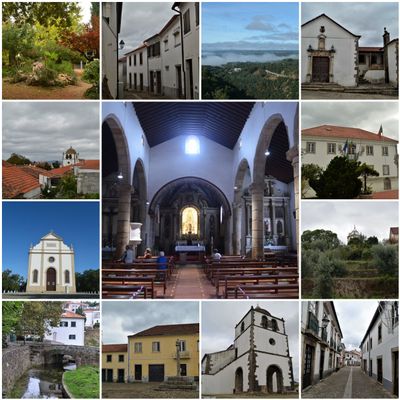
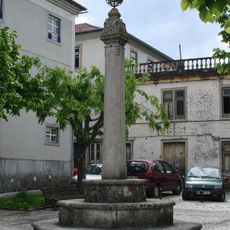
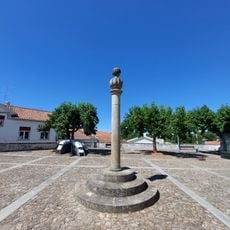
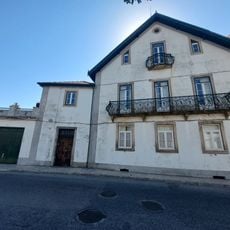
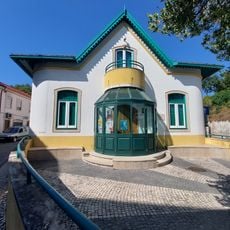
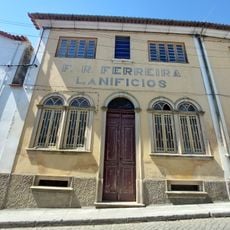
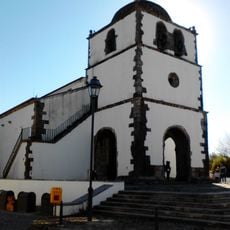
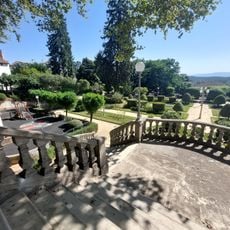
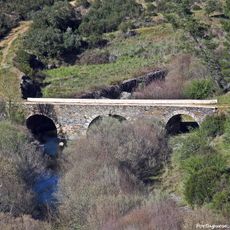
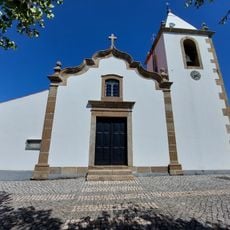
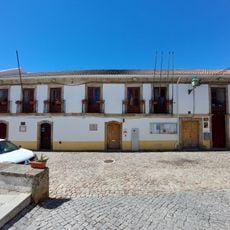
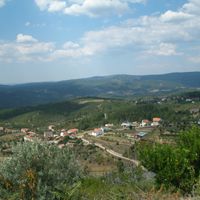
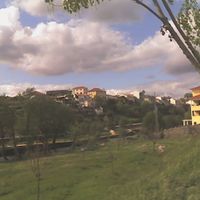
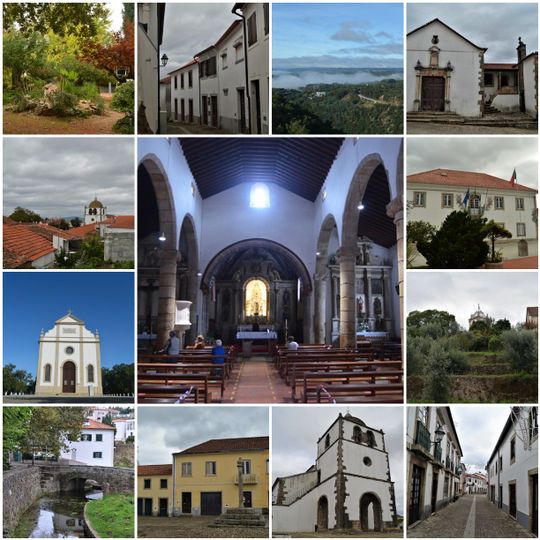
Sertã is a municipality in central Portugal in the Castelo Branco district, situated in a green valley surrounded by forests and streams. The town comprises ten parishes with traditional stone buildings, narrow streets, and small shops, fed by the Zêzere River and two local water channels.
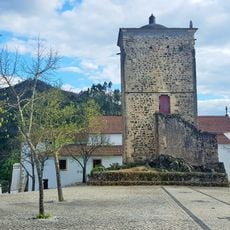
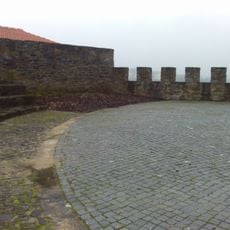
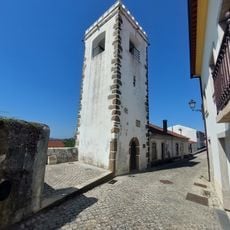
Sertã was founded during the time of Roman general Sertorius and played an important role in Portugal's history when the republic was established, serving as a center for ideas about freedom. The fortress was heavily damaged during the 1755 earthquake, but parts of the walls and a tower remain standing.
The name Sertã comes from an old legend about a woman named Celinda who poured boiling oil on attackers during a siege - 'sertã' means 'frying pan'. This story remains alive in local memory and shapes how people understand their town's identity as a place of courage and resistance.
The town center is compact and easily walkable, with buses connecting nearby towns and a car useful for wider exploration. Visitors should expect that English is limited in smaller shops and that the best time for outdoor activities is May through October when temperatures are pleasantly warm.
Ancient rock carvings scattered across the villages tell stories of people who lived off the land long before recorded history. These petroglyphs reveal how early inhabitants respected nature and marked their presence in the landscape for future generations to discover.
The community of curious travelers
AroundUs brings together thousands of curated places, local tips, and hidden gems, enriched daily by 91,826 contributors worldwide.