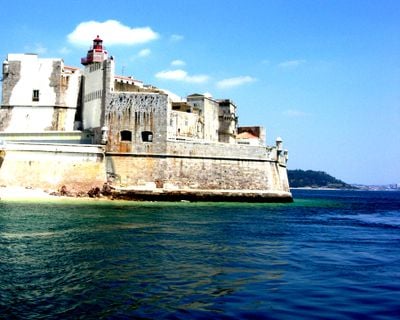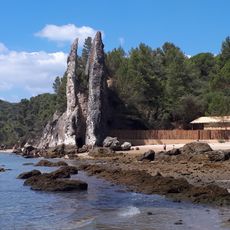
Fort of Santiago do Outão, Medieval coastal fort at Sado River estuary, Portugal
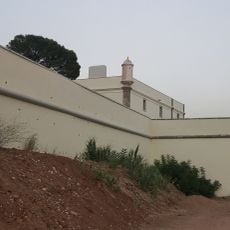
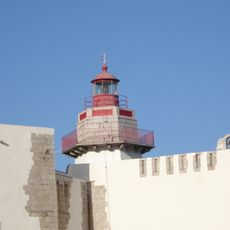
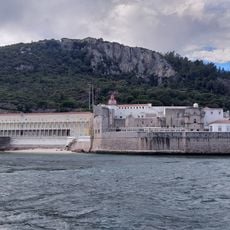
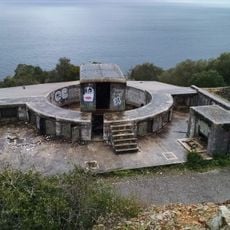
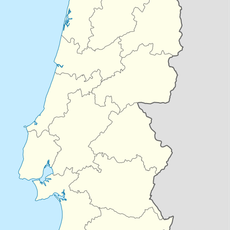
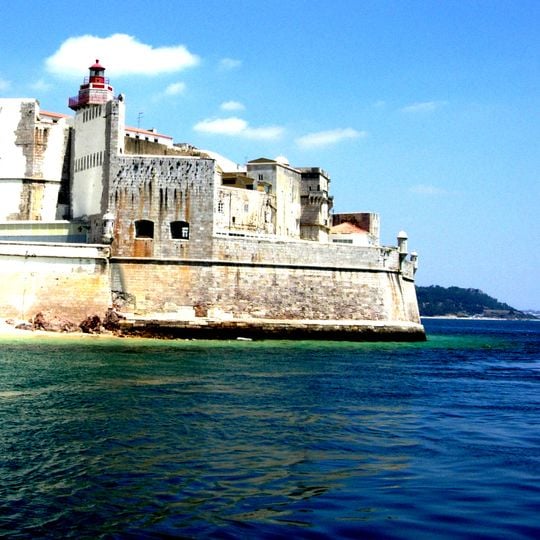
The Fort of Santiago do Outão is a coastal fortification at the northern mouth of the Sado River estuary, on the cliffs near Setúbal. It is built on three levels with defensive walls, gun emplacements, bastions, a central courtyard, and a chapel integrated into the structure.
The site began in 1390 as a watchtower built under King João I and was expanded into a full fortress in 1572 under King Sebastião I to control the river mouth. Over the following centuries, new defensive elements were added as military needs changed.
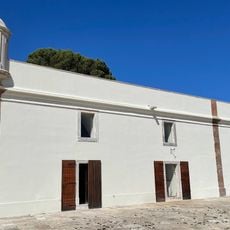
Inside the fort's chapel, 18th-century tiles show scenes from the life of Saint James, painted in the blue-and-white style typical of Portuguese religious art. The chapel itself is small and plain from the outside, but its interior decoration draws the attention of visitors who manage to see it.
The fort now houses an orthopedic hospital, so access to some parts of the site may be limited during a visit. It is worth checking in advance which areas are open to the public before making the trip.
Before becoming a hospital in 1909, the fort had already served as a prison and as a royal summer residence, among other uses. Few fortifications in Portugal have gone through such a wide range of different roles across their history.
The community of curious travelers
AroundUs brings together thousands of curated places, local tips, and hidden gems, enriched daily by 91,983 contributors worldwide.