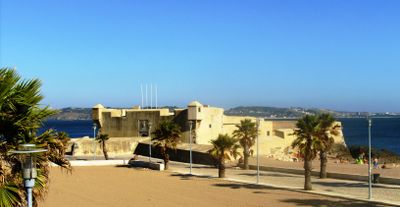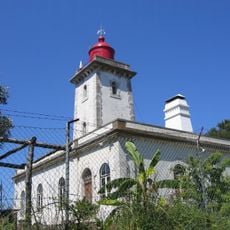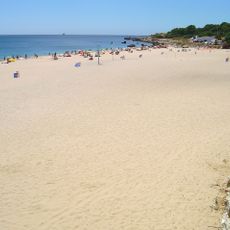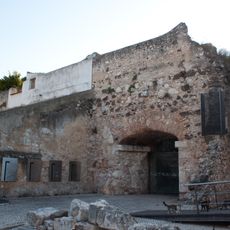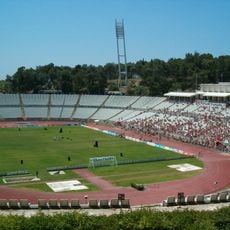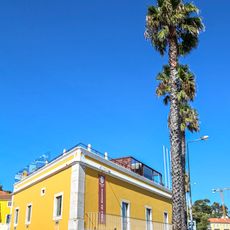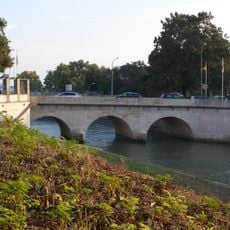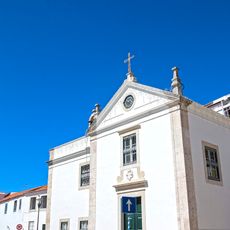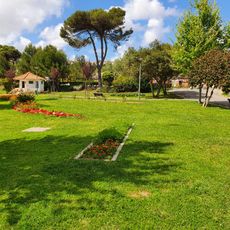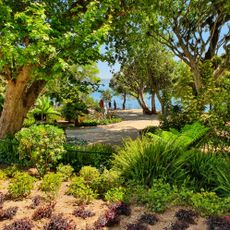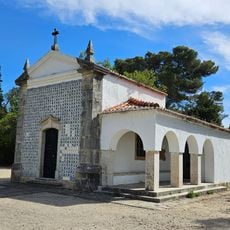
Fort of São Bruno, building in Oeiras, Lisbon District, Portugal
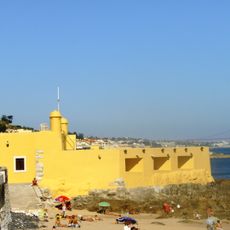
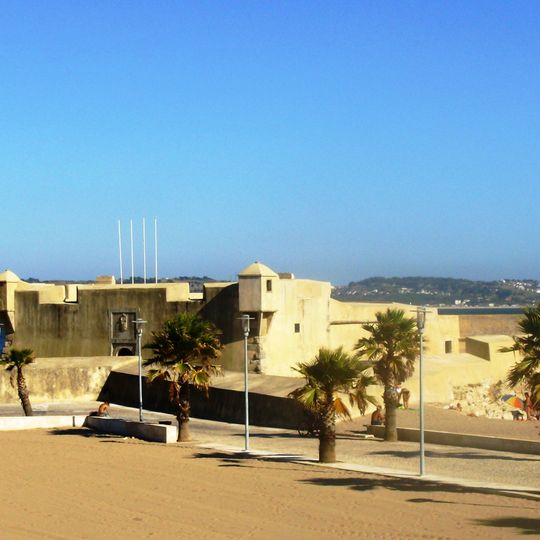
Fort of São Bruno is a fortified structure dating to the 17th century on Portugal's coast in Oeiras, built to protect the mouth of the Tejo River. It features thick stone walls, low ramparts, and a star-shaped layout typical of military architecture of that era, with a watchtower on the northern side and land-facing towers protected by defensive walls.
The fort was built in 1647 on the orders of King John IV to control access to the Tejo and guard the harbor entrance. Over the centuries, it suffered damage from sand accumulation and decay, underwent numerous renovations for changing purposes, and housed as many as 18 cannons during conflict with Spain before being repurposed as a youth hostel after the 1974 revolution.
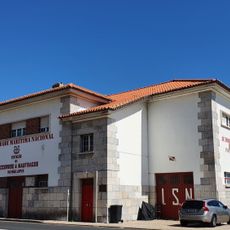
The fort takes its name from a nearby Carthusian monastery that once served the local community. Over time, it shifted from a military outpost to various civilian uses, including a youth hostel, reflecting how the area evolved from a defensive stronghold to a place for gathering and learning.
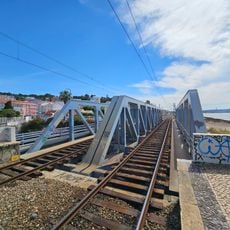
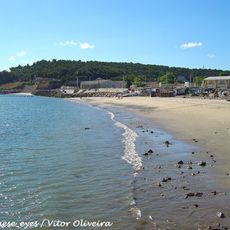
The fort is easily accessible from the nearby railway station and coastal road, with parking available in the area and the site open to visitors during daylight hours. The quiet surroundings are ideal for a walk, and bringing a camera is recommended to capture the sea views and ancient stone walls.
The fort was used for unusual purposes over its history, including as a target practice range under King Miguel around 1831, when shooting exercises were conducted from boats in the river. These military experiments show how the structure was adapted beyond its core defensive role for testing contemporary training methods.
The community of curious travelers
AroundUs brings together thousands of curated places, local tips, and hidden gems, enriched daily by 92,320 contributors worldwide.