Palau, Pacific island nation in western Micronesia
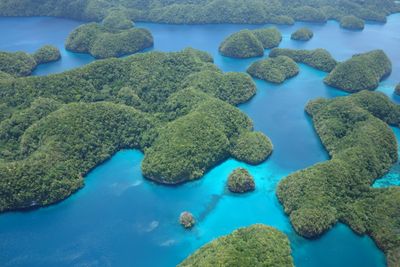
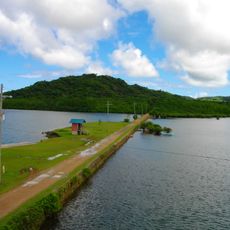
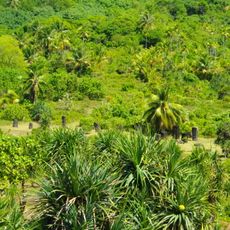
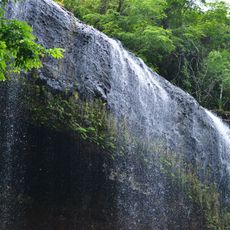
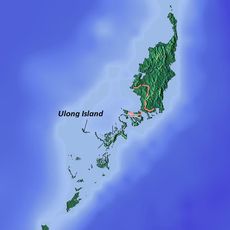
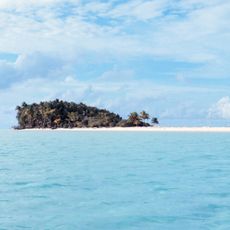
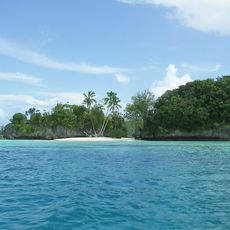
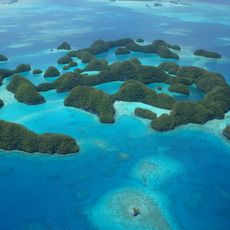
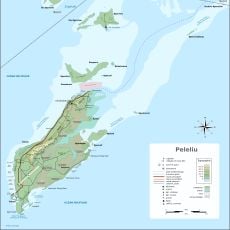
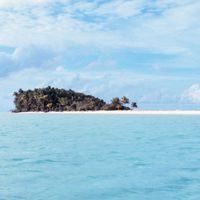
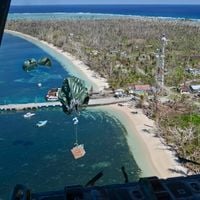
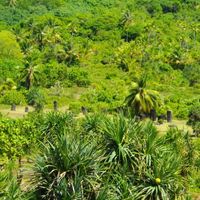
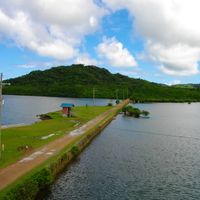
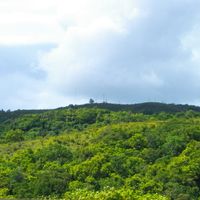
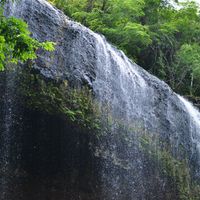
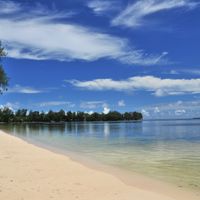
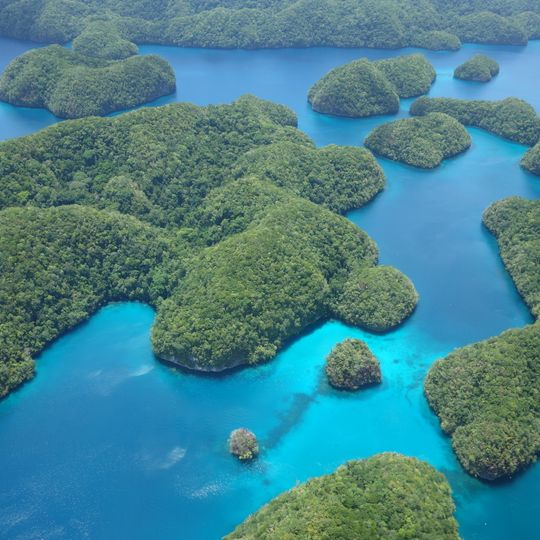
Palau covers about 340 islands in the western Pacific with limestone rocks, jungle, marine lagoons and coral reefs. The topography ranges from volcanic peaks and mangrove forests to over 70 protected marine areas spread among the island groups.
People settled here from around 3000 BCE, before Spanish, German, Japanese and American powers took turns controlling the territory. The country gained independence in 1994 and signed an association agreement with the United States that same year.
Families pass titles, land and rights through the female line, placing daughters and sisters in central roles. Women decide matters of ownership and clan membership, while men traditionally handled defense and diplomacy.
The US dollar serves as currency, while tourism, fishing and farming drive the economy. The international airport near Airai connects with several Pacific hubs, and most visitors receive an entry permit on arrival.
The government created a protected area of about 600,000 square kilometers (230,000 square miles) in 2009 and banned all commercial fishing there. This zone was the world's first national protection measure specifically for sharks in international waters.
The community of curious travelers
AroundUs brings together thousands of curated places, local tips, and hidden gems, enriched daily by 90,753 contributors worldwide.