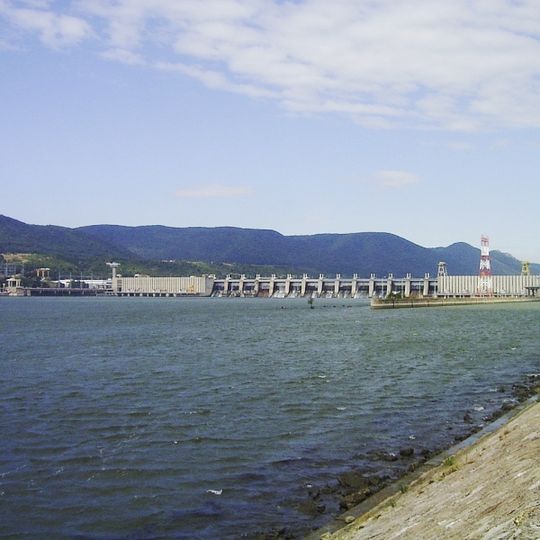
Iron Gate, River gorge system in Carpathian Mountains, Romania and Serbia
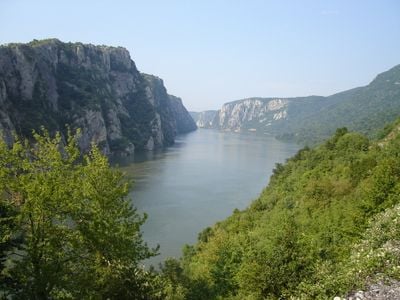
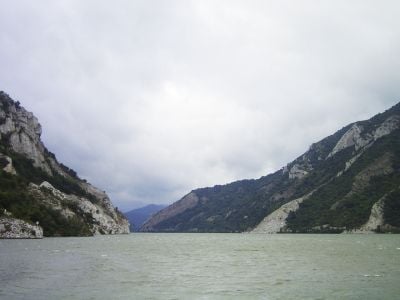
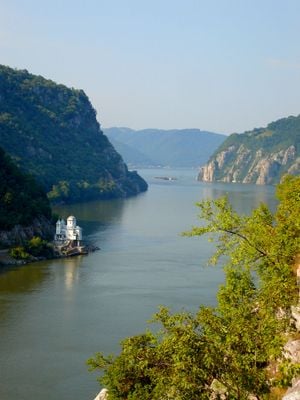
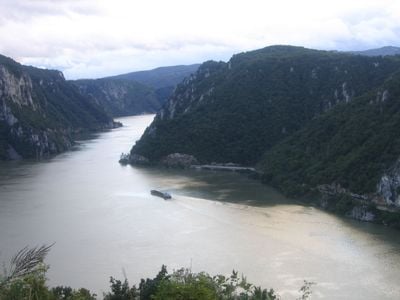
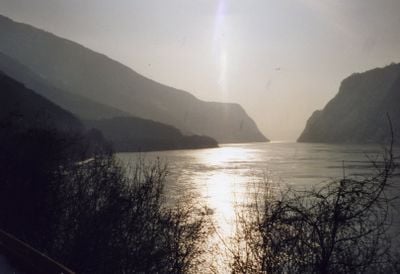
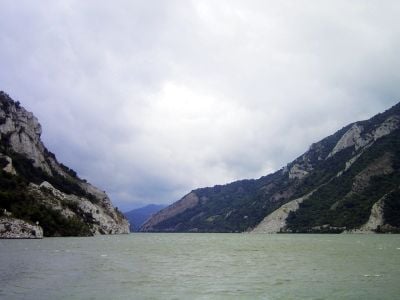
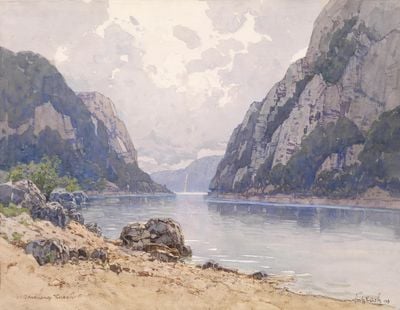
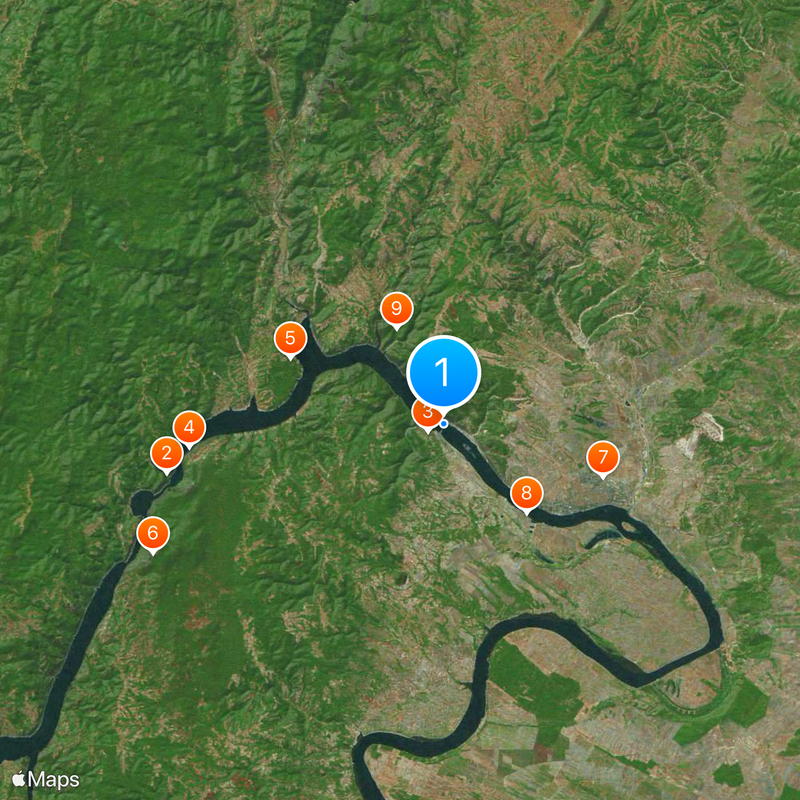
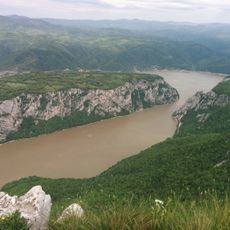
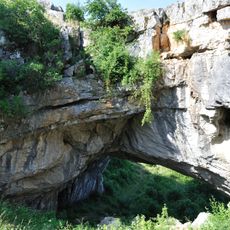
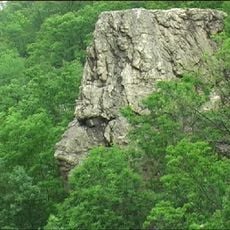
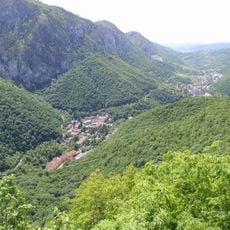
The Iron Gate is a gorge system along the section of the Danube between Romania and Serbia that stretches roughly 130 kilometers and consists of four narrow valleys and three wider basins. The rock walls rise at some points up to 600 meters (2,000 feet) above the water level and form one of the most dramatic landscapes along the entire river course.
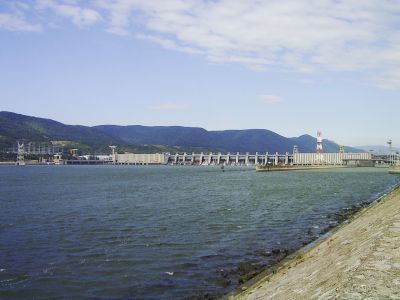
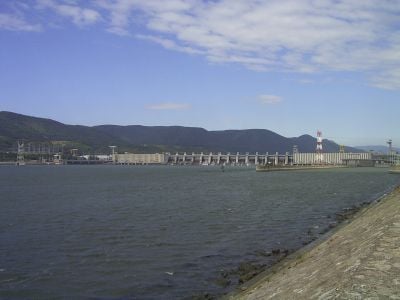
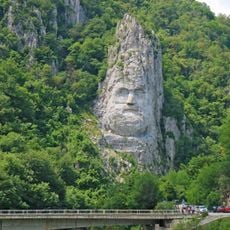
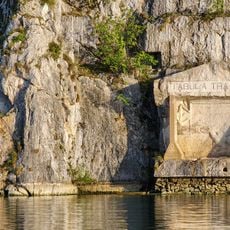
The Romans secured the passage in the 2nd century AD under Emperor Trajan when they built a road along the riverside and placed an inscription on the cliff. In the 1970s the area was fundamentally changed by the construction of two dams that flooded islands and old riverside villages.
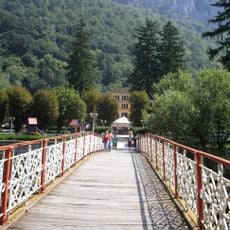
The name refers to the narrow passages where the river squeezes between tall rock walls that were once difficult for ships to navigate. Today visitors can drive along the riverside roads and stop at several viewpoints to watch the river landscape and the steep cliffs on both sides.
The best time to visit is between spring and autumn when paths are accessible and the view reaches farthest in clear weather. Several roads follow the river course on both sides so you can reach the main points by car or bus.
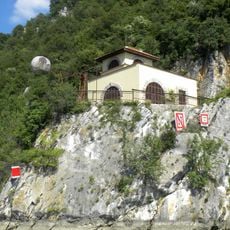
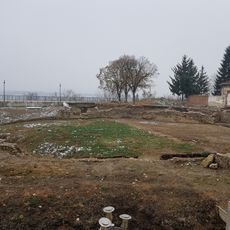
When the dam was built the Roman tablet with Emperor Trajan's inscription had to be moved to a higher spot on the Serbian cliff face to protect it from the rising water. At the Lepenski Vir archaeological site on the Serbian side you can see foundations of settlements from the Mesolithic period whose inhabitants lived along the riverbank more than 7,000 years ago.
The community of curious travelers
AroundUs brings together thousands of curated places, local tips, and hidden gems, enriched daily by 92,631 contributors worldwide.