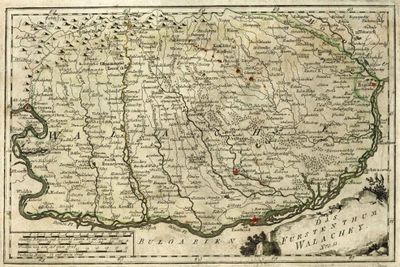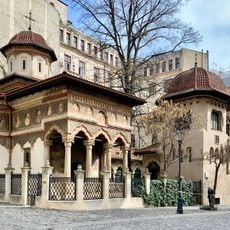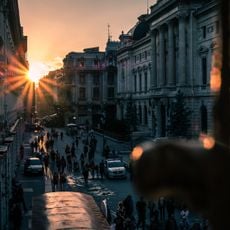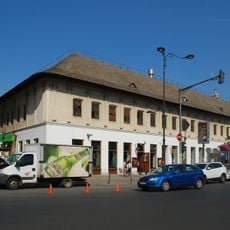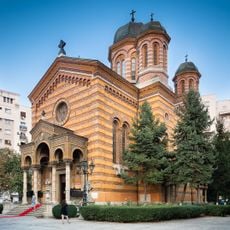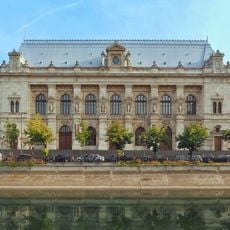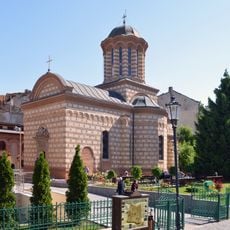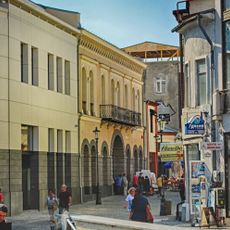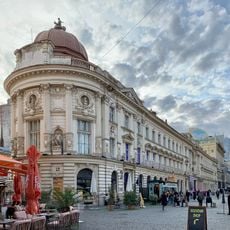
Wallachia, Historical region in southern Romania.
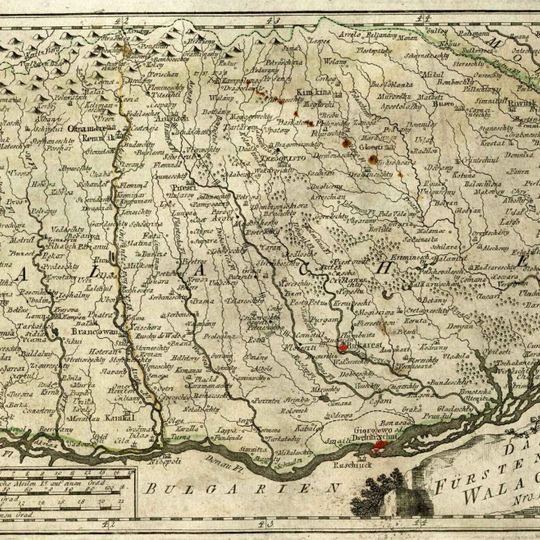
Wallachia is a historical region in southern Romania that stretches between the southern Carpathians in the north and the Danube in the south. The landscape shifts from forested mountain ranges and hills to wide agricultural plains that reach the river and form a natural border with Bulgaria.
The region gained independence during the 14th century under Basarab I after successful military confrontations with the Kingdom of Hungary. Later, the territory functioned for centuries as a buffer state between the Ottoman Empire and Christian powers until it united with Moldavia in the mid-19th century.
In rural areas, craftspeople still use old methods to make woven carpets and pottery sold at local markets. Farmsteads preserve knowledge of seasonal rituals such as harvest festivals and spring celebrations, which visitors can witness during certain occasions.
For travelers exploring the territory, the northern mountains offer hiking paths through forests and villages with traditional wooden architecture. The southern part is more accessible and crisscrossed by roads connecting major cities with smaller settlements along the Danube.
Some remote monasteries preserve manuscripts and religious objects that have survived for centuries and are kept in special rooms. In several villages, working watermills that once ground grain for surrounding communities now serve partly as museums.
The community of curious travelers
AroundUs brings together thousands of curated places, local tips, and hidden gems, enriched daily by 92,201 contributors worldwide.