Apuseni Mountains, Mountain range in Western Carpathians, Romania
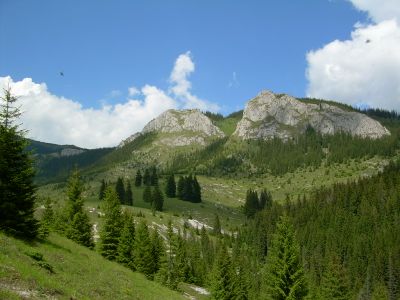
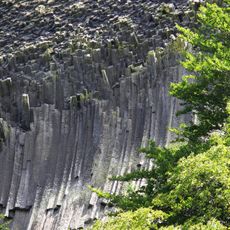
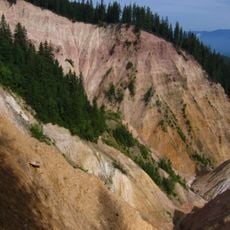
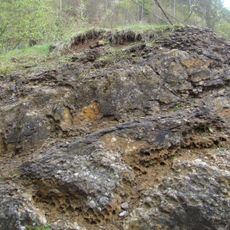
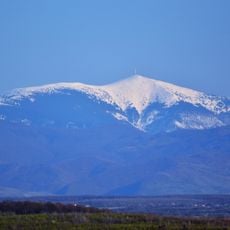
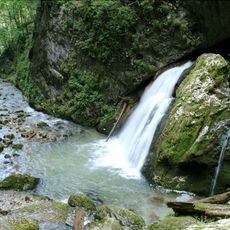
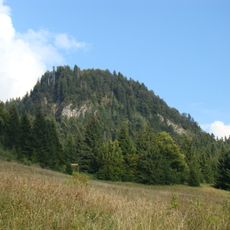
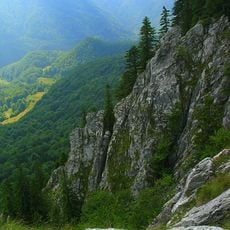
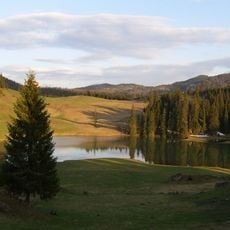
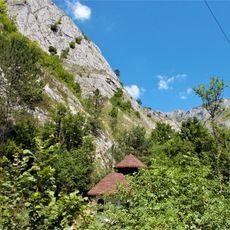
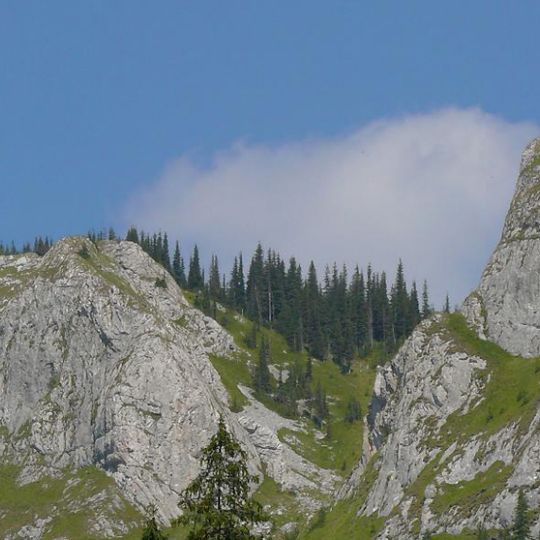
The range spreads across the northwest and divides into several groups that branch out from the central Bihor Massif, reaching heights up to 1849 meters (6066 feet). The landscape consists of forested slopes, limestone formations, and deep valleys where rivers and streams flow through.
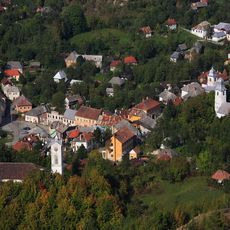
Archaeological evidence shows that people settled in these mountains during prehistoric times and extracted ore from the ground. During the Middle Ages, the region developed into a mining center as miners from different parts of Europe arrived to extract metals.
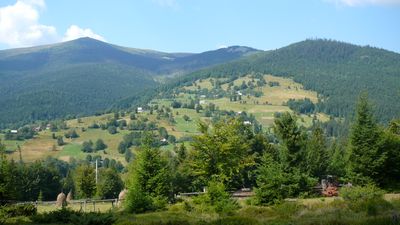
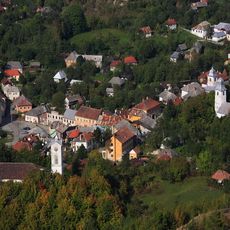
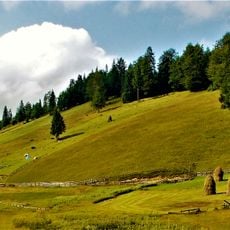
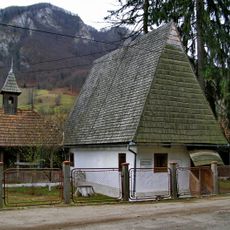
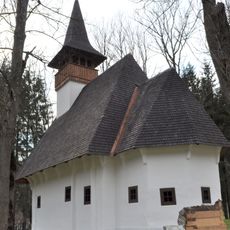
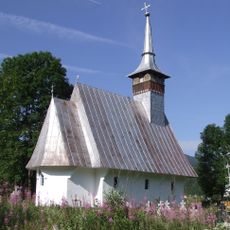
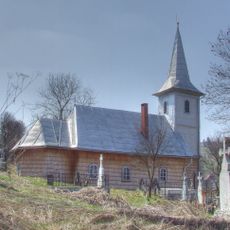
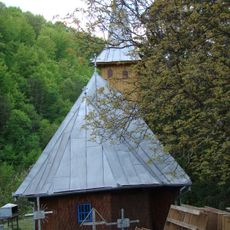
Families in remote valleys continue to raise cattle and sheep on hillside pastures, living in wooden houses scattered across the slopes. Churches built from timber stand near the villages and serve as gathering points for local celebrations and weekly services.
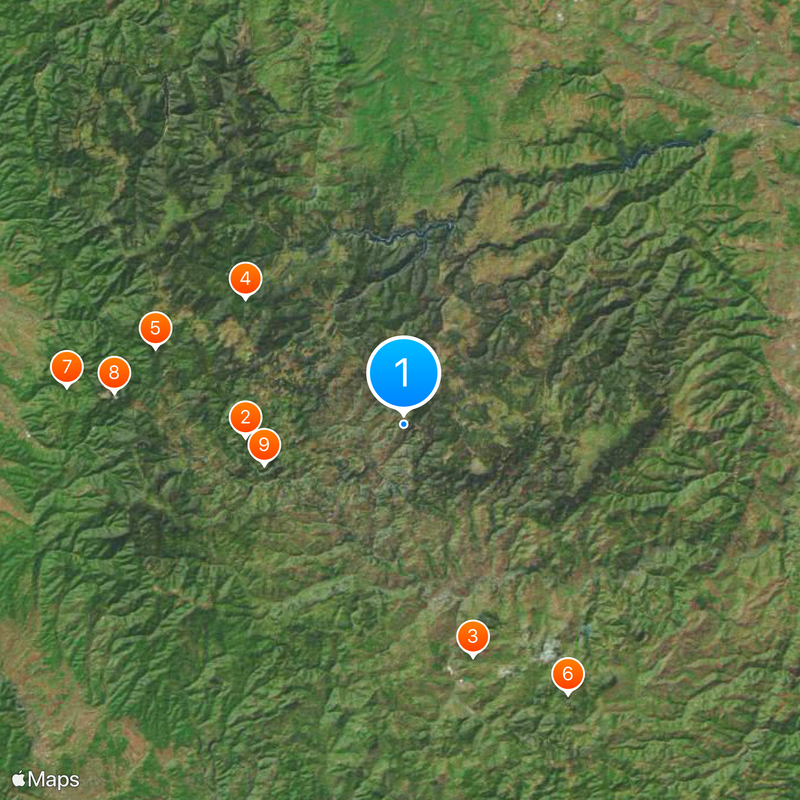
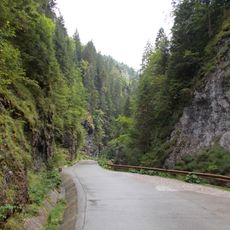
Two main roads lead into the range: E79 from Oradea to the north and E60 from Cluj-Napoca to the southeast, both following paved highways. Summer temperatures hover around 25 degrees Celsius (77 degrees Fahrenheit), while winter can drop to minus 5 degrees Celsius (23 degrees Fahrenheit), changing hiking conditions considerably.
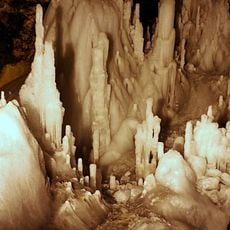
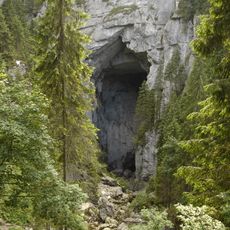
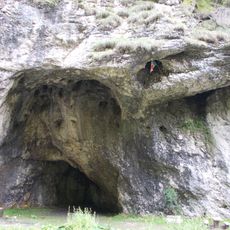
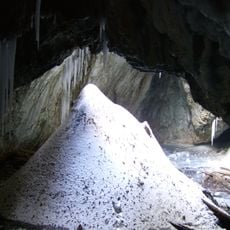
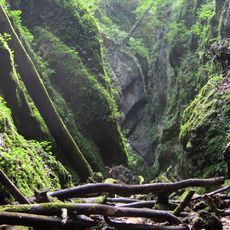
More than 400 caves thread through the limestone rock and form one of the largest underground systems in Europe, including the extensive network of Cetățile Ponorului. Some caves serve as winter shelters for bat colonies that hibernate in the dark chambers.
The community of curious travelers
AroundUs brings together thousands of curated places, local tips, and hidden gems, enriched daily by 60,000 contributors worldwide.